
Flower Bed Ideas – Creating a beautiful flower bed is a wonderful way to enhance the curb appeal and charm of any garden or outdoor space. Flower bed ideas range from simple designs to intricate arrangements, depending on the space available and the desired aesthetic. One popular approach is the layered flower bed, where taller plants such as sunflowers or delphiniums are placed at the back, medium-height blooms like marigolds or tulips in the center, and shorter ground-cover flowers such as alyssum or pansies in the front. Curved or free-form flower beds add a naturalistic touch, mimicking organic landscapes, while raised beds offer better drainage and ease of maintenance.
Color-themed beds, such as monochromatic schemes or complementary color combinations, can make a dramatic visual impact. Incorporating perennials ensures long-term beauty with less maintenance, while annuals can be rotated seasonally for variety. Edging materials like bricks, stones, or wooden borders can help define the space and add structure. Flower beds can also be designed to attract pollinators by including bee- and butterfly-friendly plants like lavender, coneflowers, and milkweed.
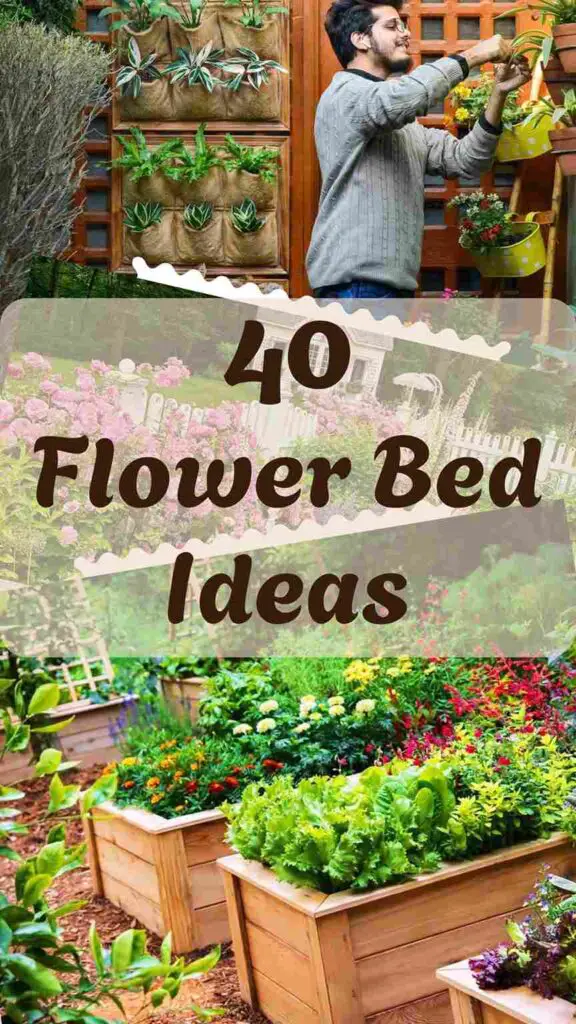
Flower Bed Ideas
Raised Wooden Flower Beds
 Credit @jefferson_landscape
Raised wooden flower beds provide structure and improve drainage. They’re perfect for defining garden areas, particularly in yards with poor soil. Construct them with treated lumber or rot-resistant woods like cedar. Raised beds are easier to maintain and access, especially for those with mobility issues. You can layer flowers in tiers, with tall plants at the back and low growers in front. Add rich soil and compost for optimal growth. They also deter pests and weeds better than traditional ground beds, and their organized look suits both modern and rustic garden designs.
Cottage Garden-Style Flower Bed
 Credit @clark.cottage.gardens
Circular Flower Beds
 Credit @Dreamstime.com
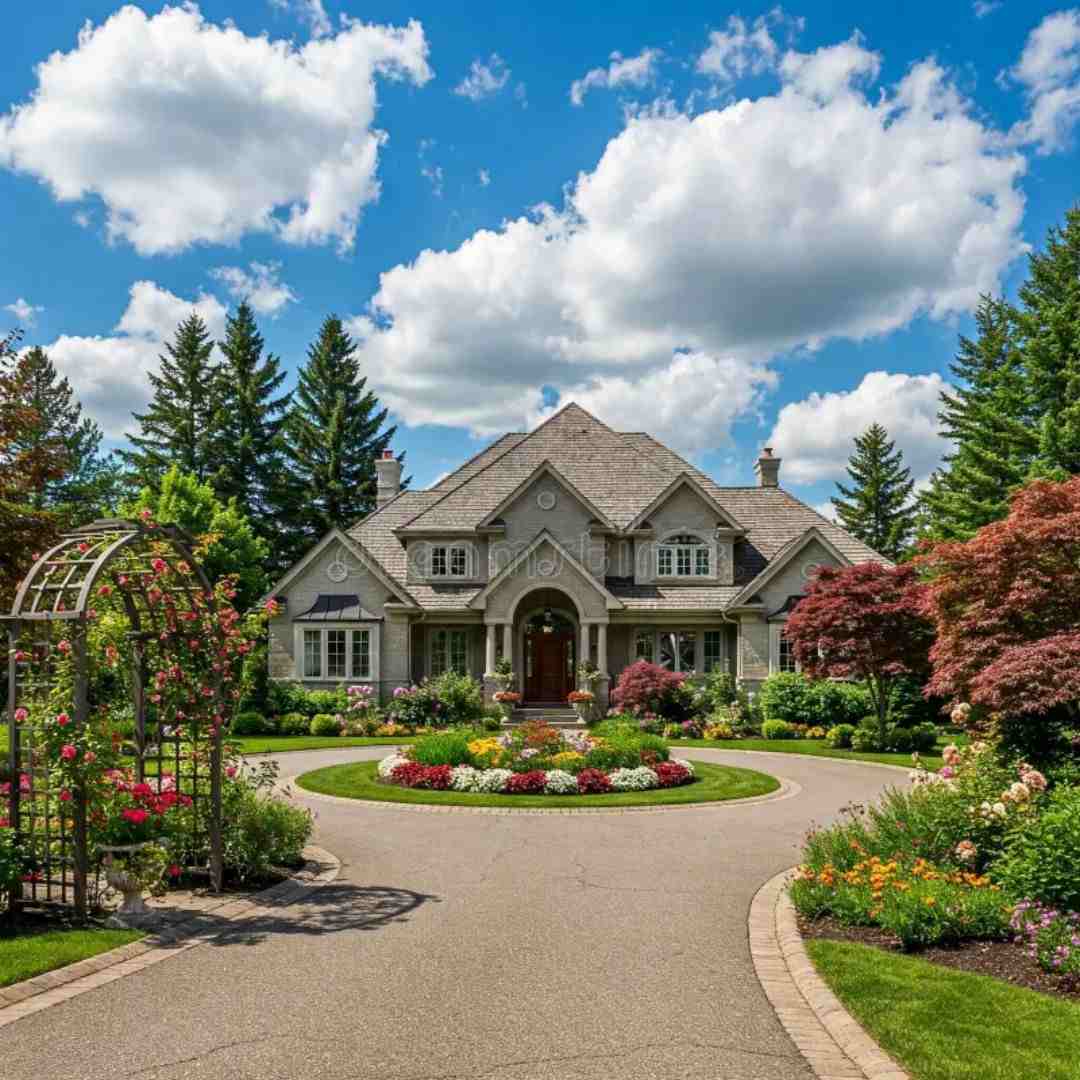
Circular flower beds act as focal points in a yard, especially when placed in the center of a lawn or courtyard. You can design them around a tree, birdbath, or sculpture to create visual interest. Use concentric rings of flowers of varying colors and heights to create a layered look. Taller plants go in the center, with shorter blooms around the edges. This type of bed works well with seasonal plantings or perennial arrangements. Mulch and edging help define the shape and keep it tidy. These beds are visually striking and ideal for symmetrical garden layouts.
Border Flower Beds
 Credit @whitbylandscaping
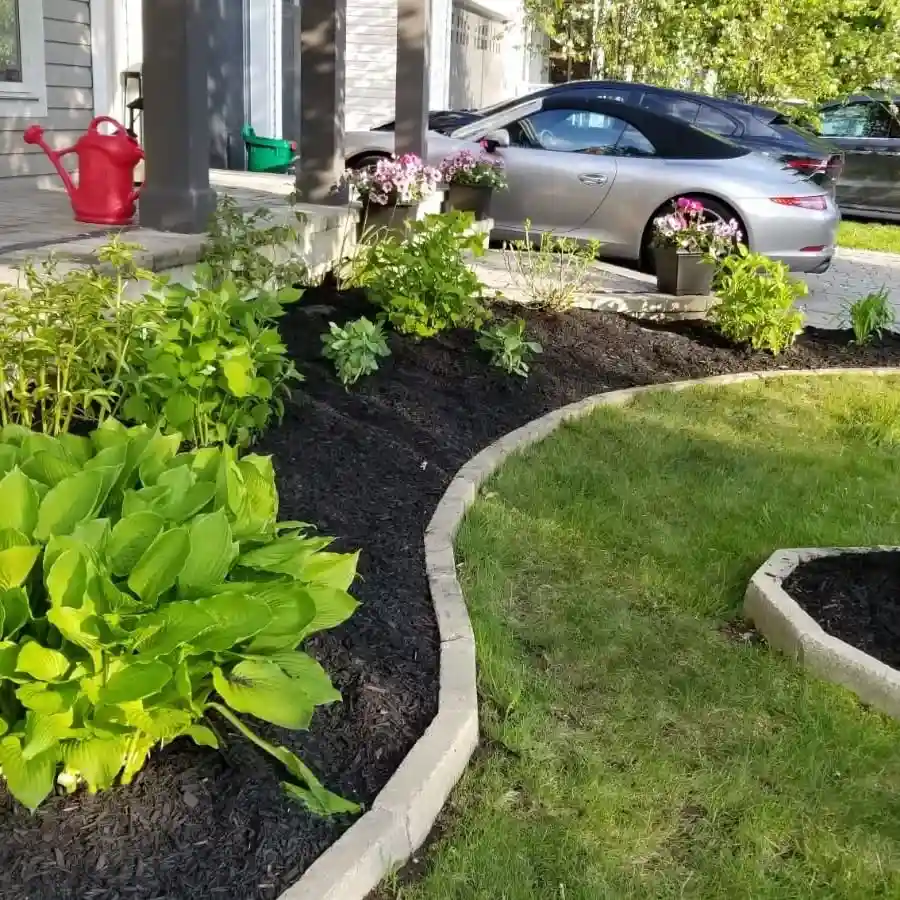
Border flower beds are planted along fences, walls, or walkways. They’re great for defining boundaries and softening hard edges. These beds can be narrow or wide depending on available space. Use a mix of shrubs, perennials, and annuals for variety throughout the seasons. Layering is key: taller plants go in the back, with medium and low growers in front. Consider evergreens for year-round structure, combined with colorful blooms like tulips, peonies, or salvia. Borders are ideal for guiding foot traffic and drawing the eye through the landscape. They’re also easier to maintain than central garden beds.
Wildflower Flower Beds
 Credit @wild_flowear
Wildflower beds bring a touch of the untamed countryside to your garden. Use a mix of native wildflower seeds like black-eyed susans, poppies, and cornflowers. These beds are low maintenance, drought-resistant, and attract beneficial insects. Choose a sunny, well-drained location and prepare the soil by removing grass and weeds. Scatter the seed mix and lightly rake it in. Wildflower beds evolve over time, with different flowers blooming throughout the seasons. They don’t require much watering or fertilizing, making them perfect for eco-conscious gardeners. They also support local ecosystems and provide a stunning, ever-changing display.
Rock-Edged Flower Beds
 Credit @classicrockstoneyard
Add rustic charm by bordering flower beds with natural stones or river rocks. Rocks help retain soil, define the bed, and create contrast with the colorful flowers. Combine rock edging with drought-tolerant plants like sedum, lavender, or ornamental grasses for a low-maintenance, Mediterranean-inspired feel. Rocks can be arranged formally or irregularly for a more natural look. This idea works well on sloped yards where soil erosion is a concern. The stones warm up in the sun, helping certain plants thrive, and provide visual texture that balances soft plant shapes.
Vertical Flower Beds

Ideal for small spaces or balconies, vertical flower beds use structures like trellises, pallets, or wall-mounted planters to grow flowers upward. These beds save space and create striking visual displays. Choose vining plants like sweet peas, morning glories, or clematis. You can also use pocket planters for trailing blooms like petunias or nasturtiums. Vertical beds can act as privacy screens or decorative garden walls. They’re perfect for urban gardens where ground space is limited. Regular watering is essential, as vertical arrangements can dry out quickly, especially in sunny spots.
Shady Flower Beds
 Credit @LawnStarter
Not all flower beds need full sun. Shady flower beds can thrive under trees or on the north side of buildings. Choose shade-tolerant plants like hostas, impatiens, astilbes, and ferns. These plants provide lush foliage and seasonal blooms in low-light areas. Consider using light-colored flowers or variegated leaves to brighten the shady space. Add mulch to retain moisture and reduce weeds. These beds provide a cool, calming atmosphere and require less watering than sun-exposed areas. They’re ideal for woodland-style gardens or relaxing, shaded corners of the yard.
Herb and Flower Combo Beds
 Credit @Plant Perfect
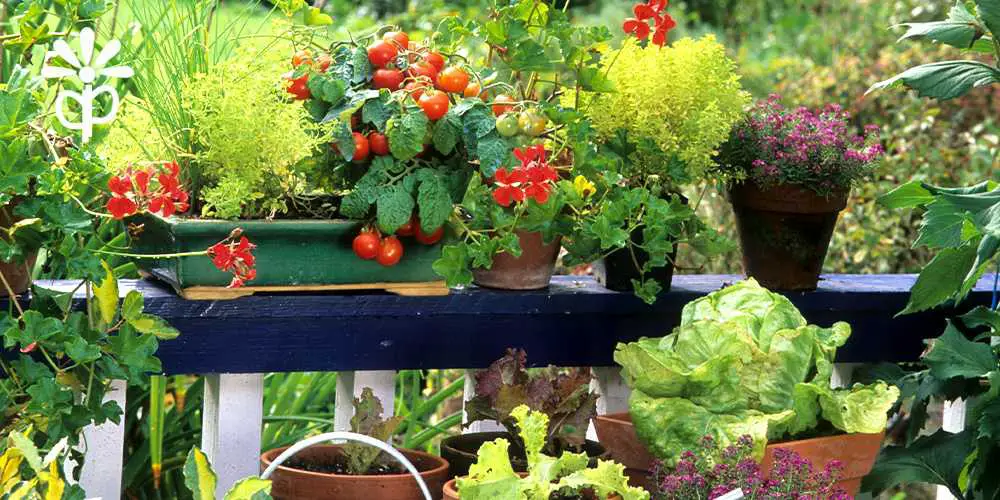
Combine flowers and herbs in one bed for beauty and function. Lavender, rosemary, thyme, and chives pair beautifully with marigolds, calendula, and nasturtiums. This design is practical—herbs can be harvested while flowers attract pollinators and repel pests. Choose a sunny spot and ensure good drainage. Herbs typically prefer less water and nutrient-rich soil than many flowers, so choose companion plants accordingly. Raised or border beds work well for this mix. The combination offers fragrance, color, and culinary use, making it a dynamic and sensory-rich garden option.
Seasonal Rotation Flower Beds
 Credit @Square Foot Gardening
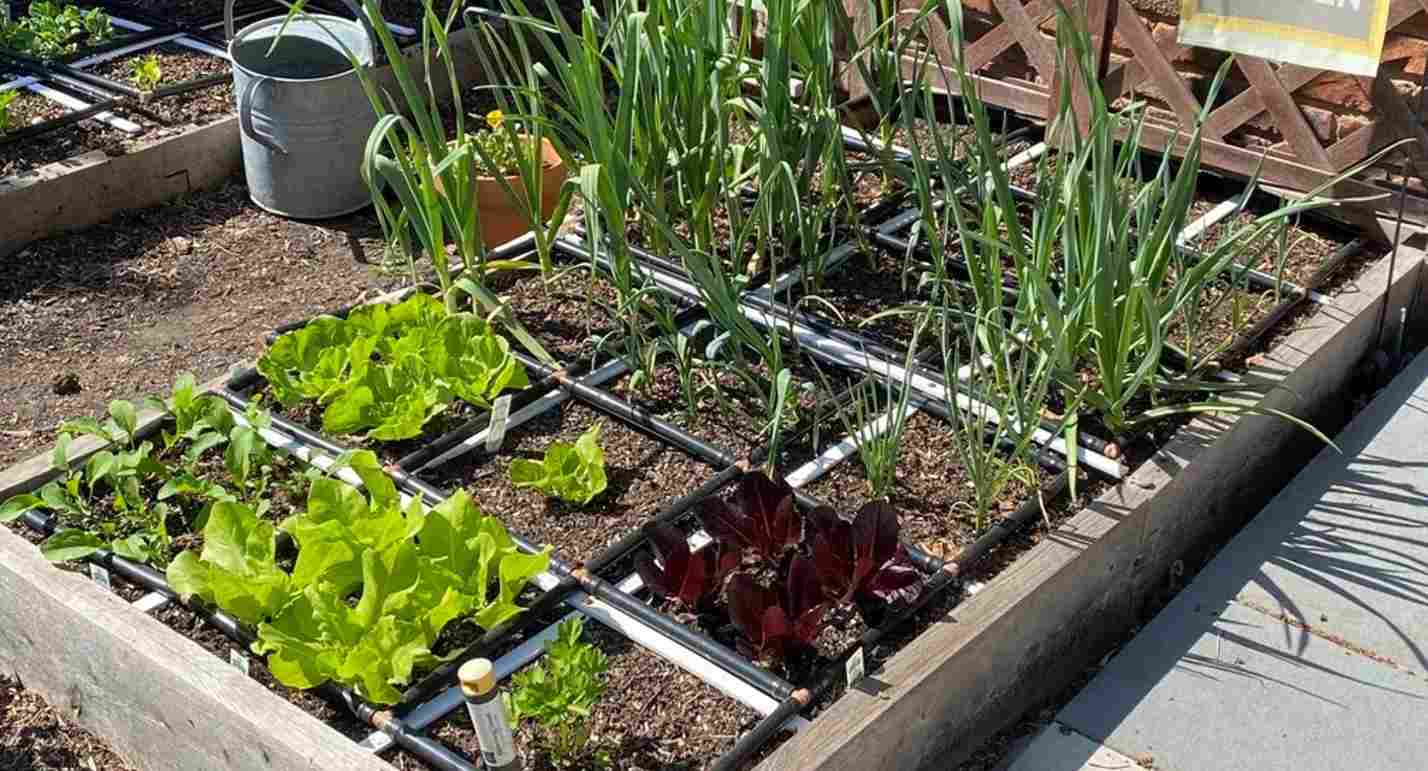
Design flower beds that evolve throughout the year by rotating seasonal plants. Spring bulbs like daffodils and tulips give way to summer blooms like zinnias and dahlias, followed by fall favorites like chrysanthemums and asters. This keeps your garden vibrant year-round. Use perennial plants as a backbone and interplant with seasonal annuals. Plan ahead for planting and removal to ensure continuous color. These beds require a bit more work but are incredibly rewarding and engaging. They allow experimentation with different color palettes and textures every few months, ensuring visual freshness.