
Classroom decoration ideas aim to create a vibrant, engaging, and functional learning environment that inspires students while supporting their academic success. A well-decorated classroom often includes colorful bulletin boards with seasonal themes, motivational quotes, and student work displays that help build a sense of ownership and pride. Teachers may utilize creative organizational tools, such as labeled bins, themed learning centers, and visually appealing anchor charts, to make the space both attractive and efficient. Soft elements like curtains, rugs, and beanbags can create a cozy reading corner, while plants and natural light add warmth and calmness.
Incorporating educational posters, interactive wall displays, and hands-on activity stations helps stimulate curiosity and makes learning more dynamic. Overall, thoughtful decoration transforms the classroom into a welcoming, inspiring space that encourages creativity, comfort, and collaboration.
Classroom Decoration Ideas
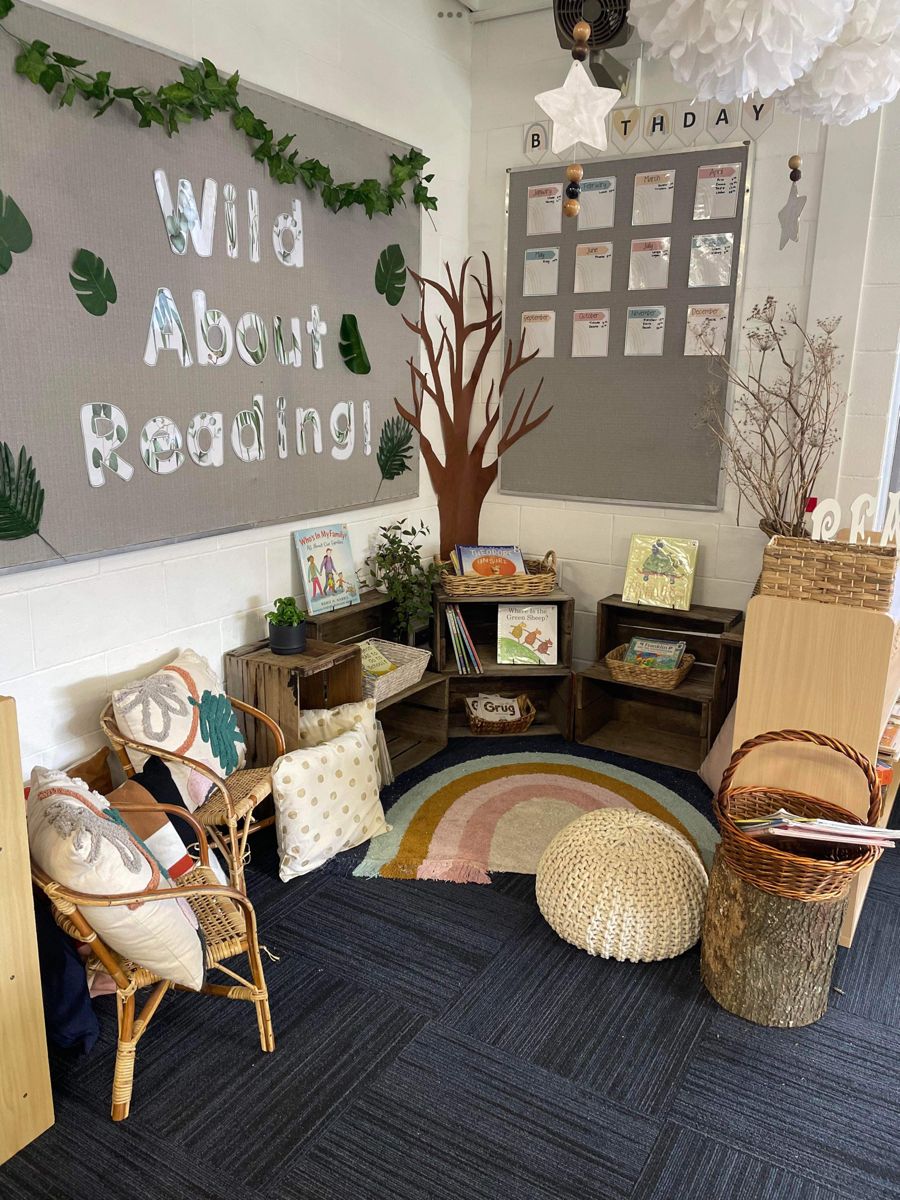
Reading Nook Hideaway
Credit@ar.inspiredpencil.com
Create a cozy reading corner that sparks imagination. Use a small canopy or teepee draped with soft, neutral fabrics to create a calm atmosphere. Add fairy lights, floor cushions, beanbags, and a low bookshelf stocked with colorful books. Include themed décor like a “Reading Garden” sign, artificial plants, or a small rug shaped like grass to make the space whimsical. Display student-recommended books on a rotating shelf to encourage peer suggestions. This quiet zone becomes a comforting retreat where students feel motivated to read, relax, and develop positive literacy habits in a space designed specifically to nurture curiosity.
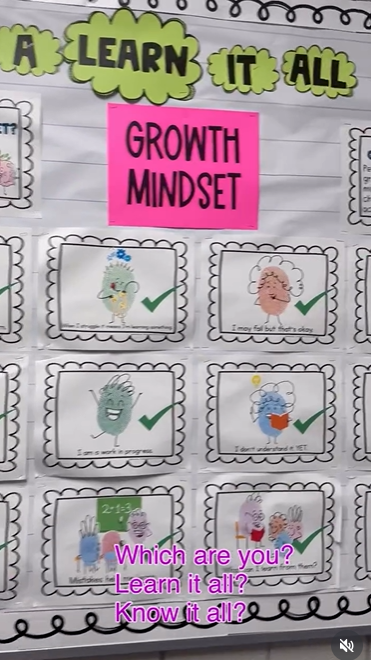
Growth Mindset Wall
Credit@the_elementaryschoolcounselor
Transform a blank wall into an inspiring “Growth Mindset Station.” Decorate with bold, colorful posters highlighting phrases like “Mistakes Help Us Grow” or “I Can Learn Anything.” Add mirrors labeled “Future Leader,” “Problem Solver,” and “Creator” to encourage self-confidence. Incorporate student contributions by having them write personal goals on leaf-shaped cutouts and attach them to a “Goal Tree.” Use bright borders and uplifting colors to make the display visually engaging. This area encourages perseverance, resilience, and a positive classroom culture where students take pride in improvement rather than perfection.
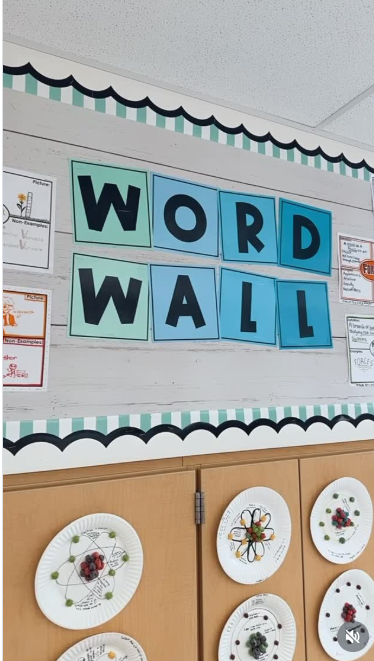
Interactive Vocabulary Board
Credit@mrsnelsonsmiddles
Design a dynamic vocabulary wall that changes throughout the year. Use colorful pockets, sticky notes, or magnetic words to make the board interactive. Divide the display into sections like “New Words,” “Synonyms,” “Use It in a Sentence,” and “Word of the Week.” Include visuals such as pictures, icons, and sentence examples for each new word. Allow students to add their own findings from reading assignments or daily conversations. This board becomes a hands-on learning tool that encourages exploration, reinforces language development, and helps even reluctant learners expand their vocabulary in a fun, collaborative way.
Seasonal Showcase Corner
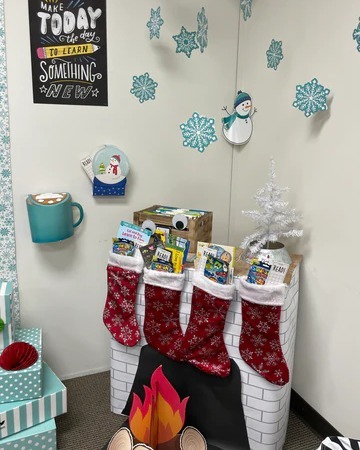
Credit@creativeteachingpress
Create a rotating decoration corner that changes with each season or holiday. For autumn, use orange and brown tones, paper leaves, and pumpkins. Winter can feature snowflakes, cozy scarves, and twinkling lights. Spring decor may include flowers, pastel colors, and butterflies. Summer can highlight beach themes, sunshine, and bright hues. Include student artwork related to seasonal lessons to personalize the display. This corner adds excitement and variety, helping students stay engaged throughout the year. It also gives the classroom a refreshed feel every few months, creating a fun and immersive environment tied to real-world changes.
Student Photo Wall
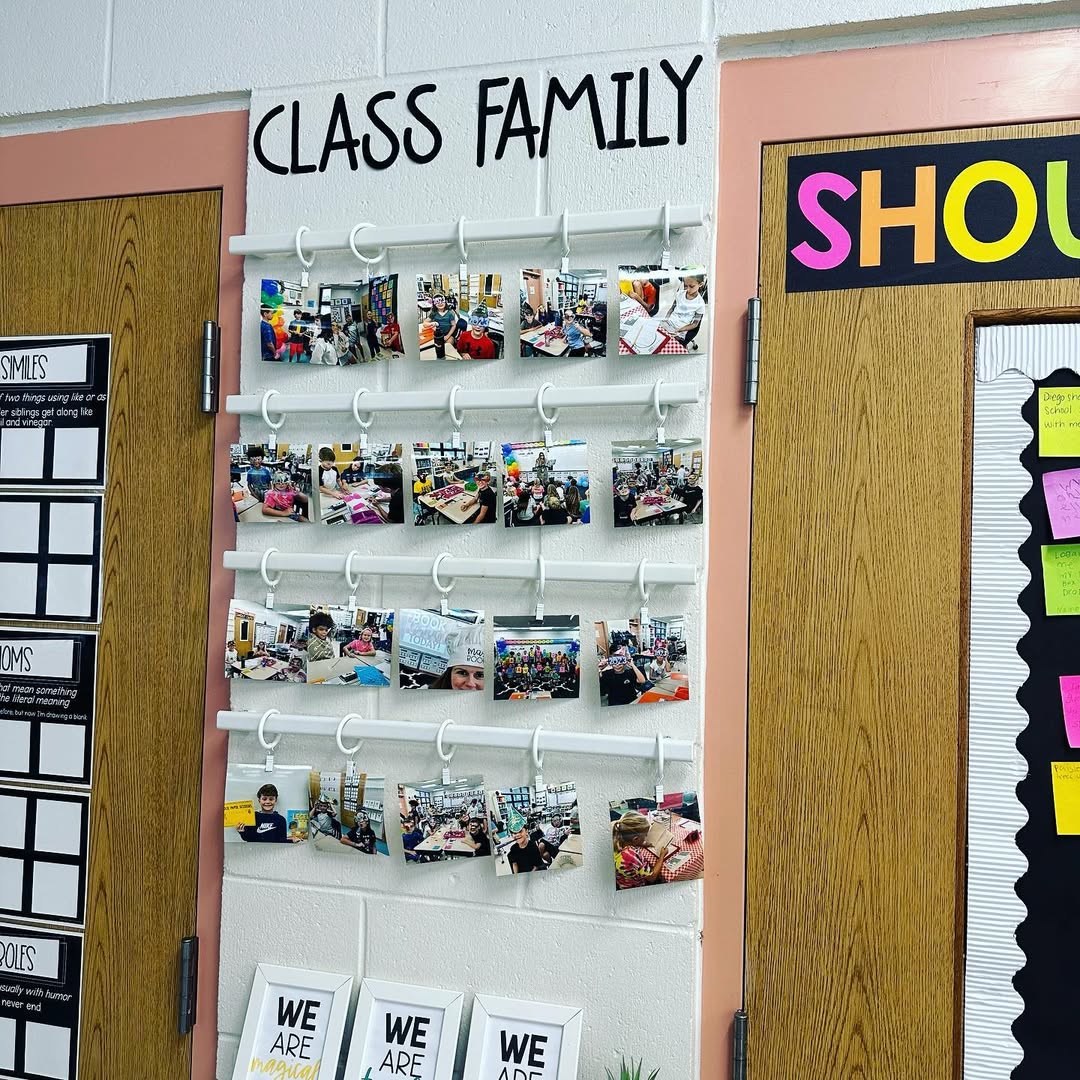
Credit@headoverheelsforteaching
Celebrate every learner by creating a dedicated Student Gallery. Use polaroid-style frames to display photos of each student along with fun facts like favorite book, hobby, or dream job. Surround the photos with decorative elements such as stars, speech bubbles, or patterned borders. Update the wall periodically with new accomplishments, certificates, or captions like “Shining This Week.” This visual representation promotes connection, belonging, and pride in classroom identity. It reminds students that they are valued members of a unique learning community, fostering positive relationships and self-esteem throughout the school year.
STEM Inspiration Zone
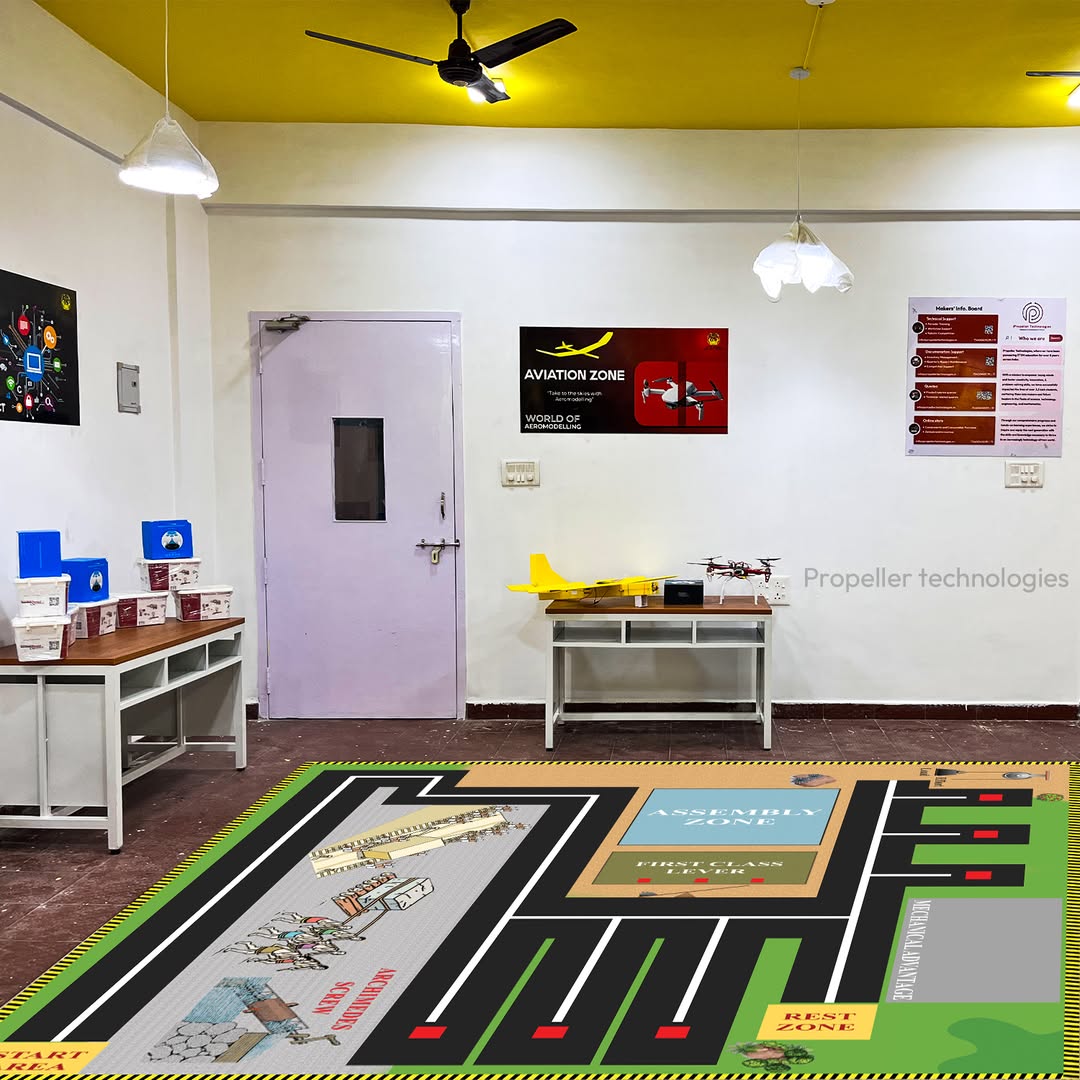
Credit@propellertechs
Design a vibrant STEM-themed area with posters of famous scientists, mathematicians, and inventors. Use geometric shapes, circuit patterns, and bright color schemes like neon green and blue. Add shelves displaying hands-on materials such as building blocks, gears, magnets, and simple experiment kits. Label drawers for tools and supplies to encourage organization and independence. Display student projects or prototypes to celebrate creativity and innovation. This zone becomes a hub for problem-solving, teamwork, and curiosity-driven exploration, making STEM subjects engaging and visually stimulating while reinforcing a culture of experimentation and discovery.
Classroom Jobs Display
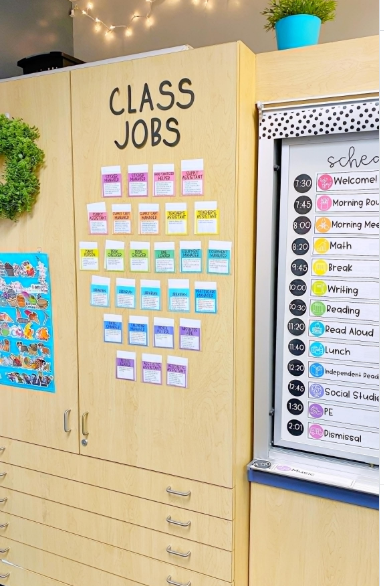
Credit@lessonswithlaughter
Create a well-organized “Classroom Responsibilities Center” to teach leadership and teamwork. Use colorful cards or mini badges representing each job—Line Leader, Board Cleaner, Tech Helper, Library Monitor, and more. Display them on a bulletin board shaped like a community—such as a mini town, garden, or spaceship crew. Include rotating clips or pockets to easily switch job assignments weekly. Decorate with cheerful icons and bright borders to make the system inviting. This area helps students understand responsibility, builds independence, and ensures the classroom runs smoothly while giving everyone a chance to contribute meaningfully.
World Map Explorers Wall
Credit@evershinewalls
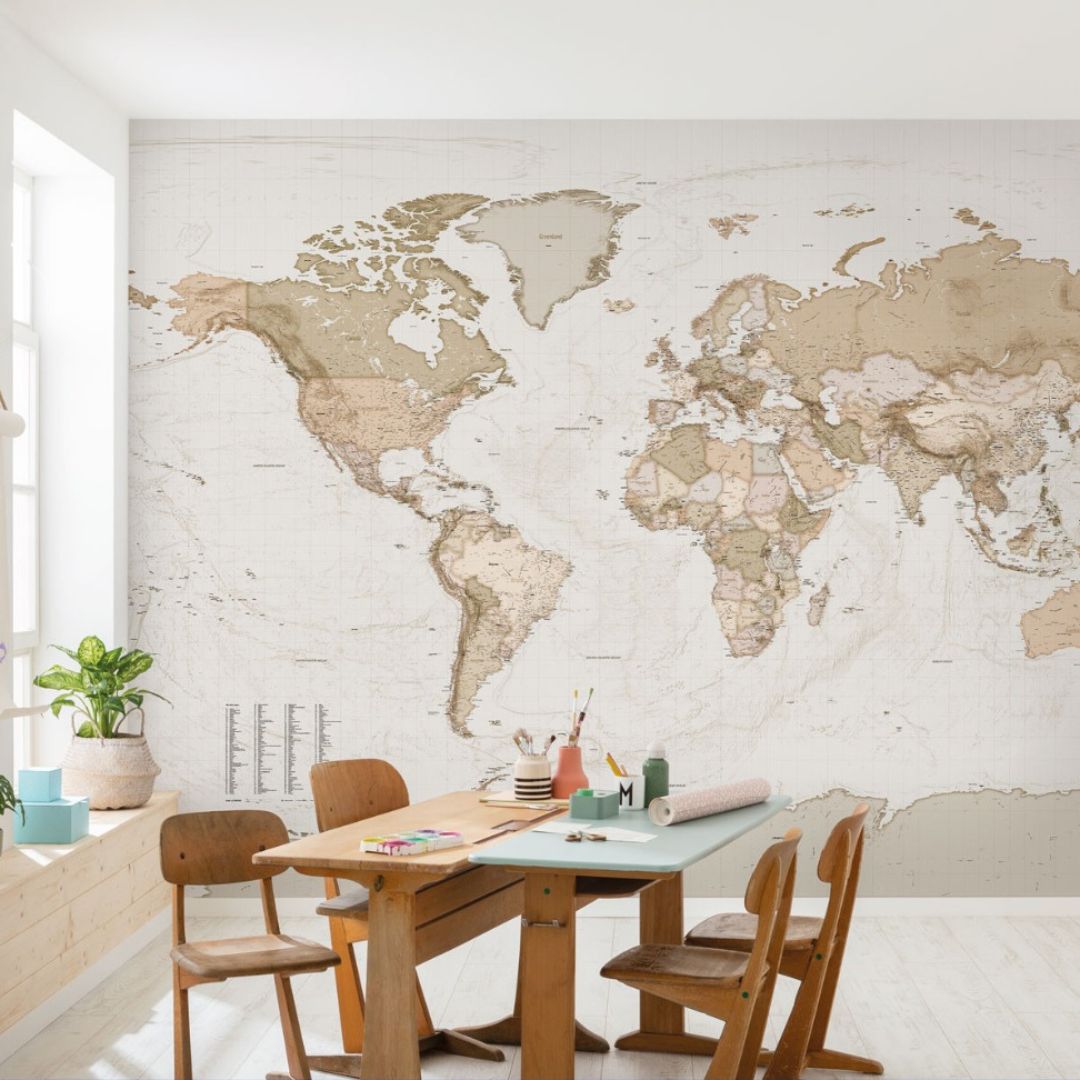
Turn a wall into an interactive geography corner featuring a large world map. Pin string lines from different countries to student-made research cards containing facts, drawings, and cultural elements. Surround the map with flags, travel-themed borders, and labels like “Where in the World?” Include binocular cutouts or magnifying glasses for playful exploration. Update monthly with new countries tied to class lessons or student interests. This display builds global awareness, curiosity, and respect for diversity, making the classroom feel like an exciting hub for exploring world cultures and connecting geography to real-life learning.
Calm-Down Corner
Credit@scholarschoice
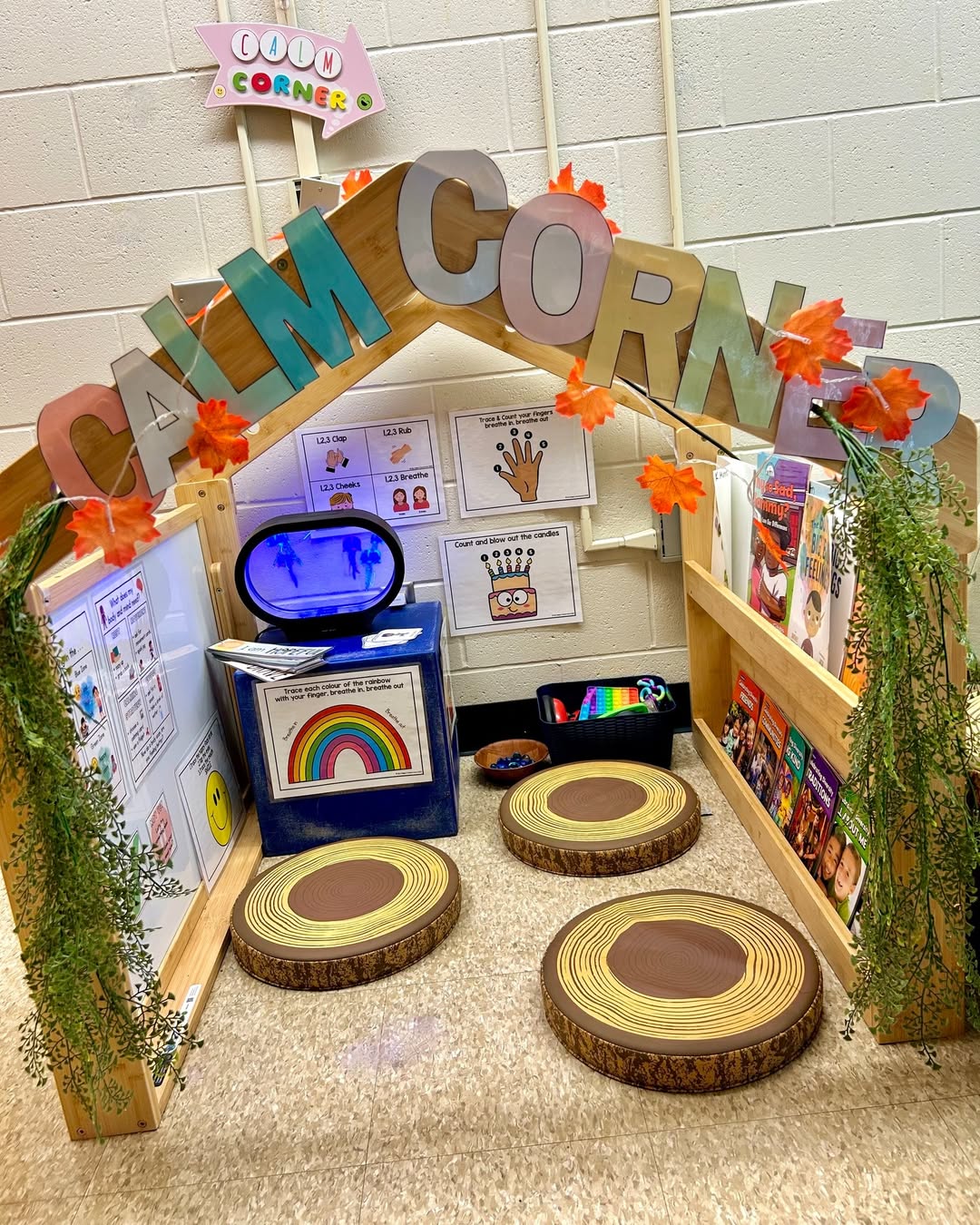
Design a peaceful area dedicated to emotional regulation and mindfulness. Use soft colors like pastels or cool blues to create a soothing atmosphere. Add comfortable seating such as a cushion or small chair, along with sensory tools like stress balls, fidget toys, breathing cards, and a sand timer. Decorate with encouraging affirmations such as “Take a Breath” and “You Are Safe Here.” Include visual emotion charts to help students identify and express their feelings. This space supports mental wellbeing by giving learners a quiet retreat when overwhelmed, helping them refocus and return to class activities calmly.
Learning Objectives Tracker
Credit@artofit.org
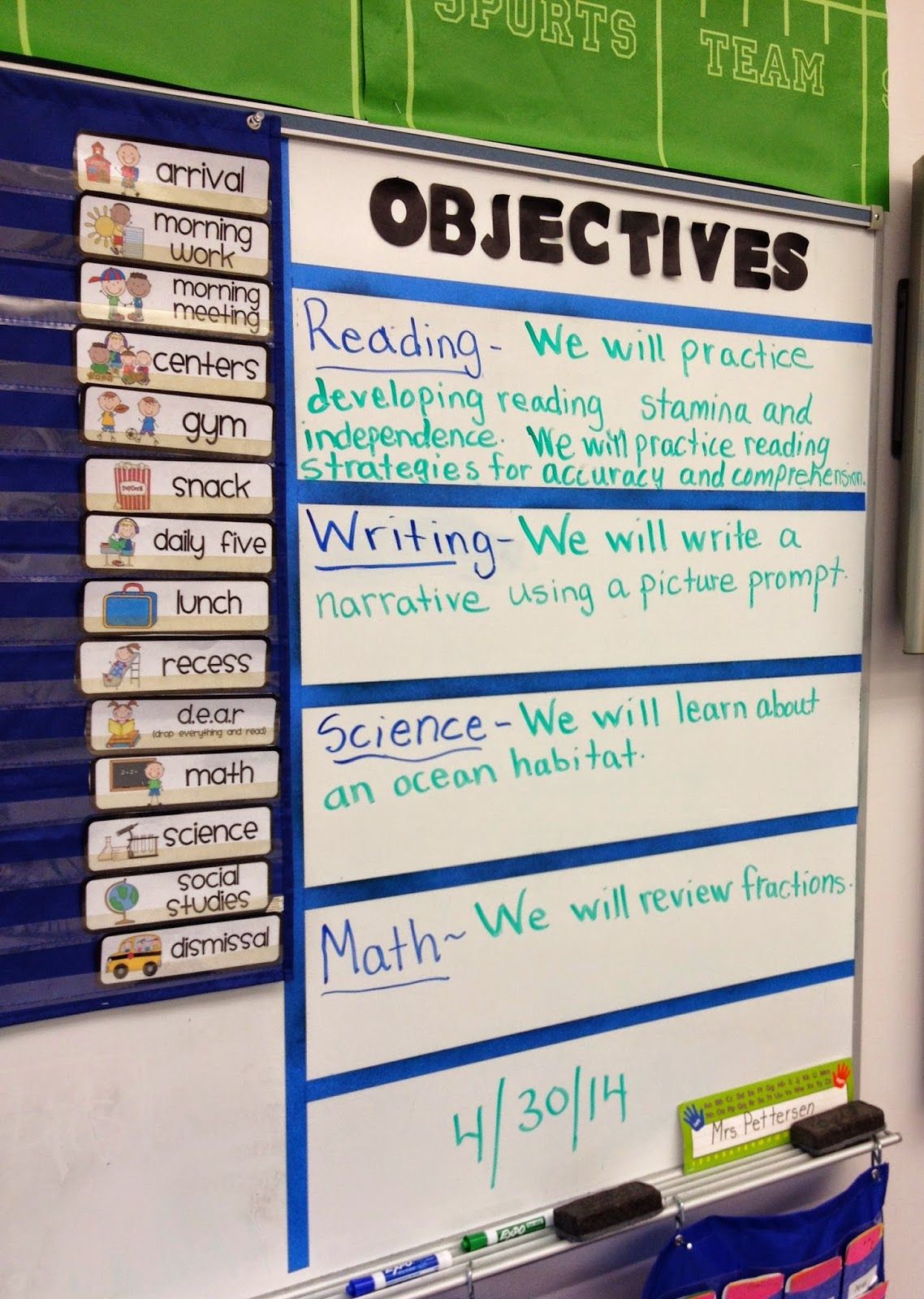
Create a visually appealing display to track weekly or monthly learning goals. Use colorful charts, magnetic icons, or laminated pockets to highlight objectives in subjects like math, reading, science, and writing. Decorate the board with arrows, progress bars, or a “Mission Complete” section for achieved goals. Include student-friendly language and symbols to make objectives easy to understand. Adding space for student reflections or sticky-note achievements turns the board into an interactive tool. This display makes learning expectations clear, promotes accountability, and motivates students by visually celebrating progress throughout the academic year.