
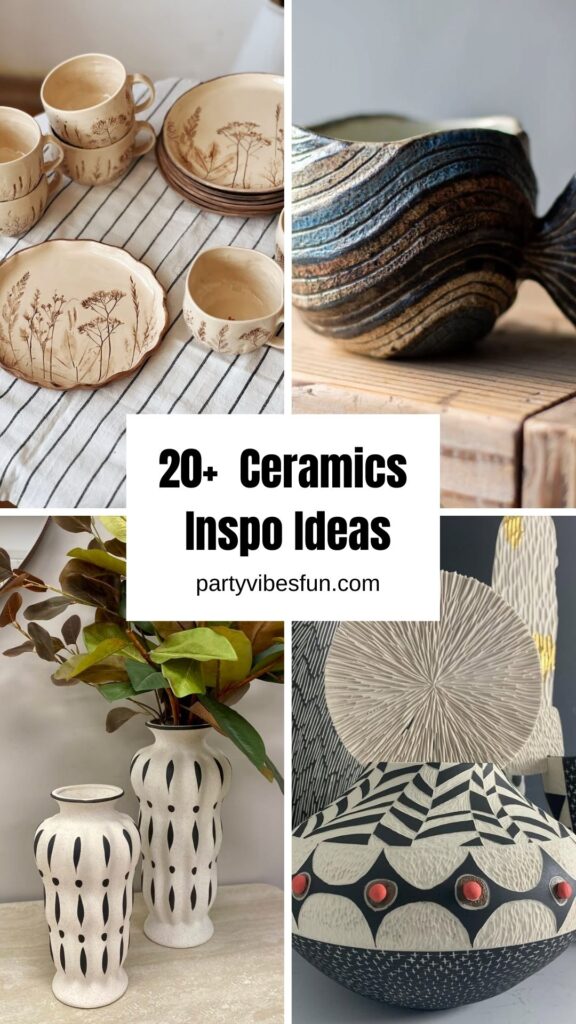
Ceramics Inspo Ideas – Ceramics inspiration can come from the balance between artistry and function, blending natural materials with personal expression. Think about how clay can be shaped into pieces that feel both organic and intentional: softly curved bowls, hand-thrown mugs with visible wheel lines, or sculptural forms that double as décor. Inspo often starts with textures—matte glazes that look like stone, glossy finishes that pool and break over edges, or speckled clay bodies that add visual warmth. Earthy color palettes such as terracotta, cream, sage, and deep cobalt create a grounded, timeless feel, while bold, modern ceramics might explore abstract patterns, carved surfaces, or unexpected color blocking. You can also draw inspiration from nature: leaf impressions, sand textures, or wave-like rims.
Mixing handmade ceramics into daily life elevates simple rituals like drinking coffee or serving food, turning them into sensory experiences. Display-wise, open shelving with a curated mix of heights and shapes adds character to a space. Ultimately, ceramics inspo is about celebrating imperfections, tactile beauty, and the story behind each piece, whether store-bought or handcrafted.
Ceramics Inspo Ideas
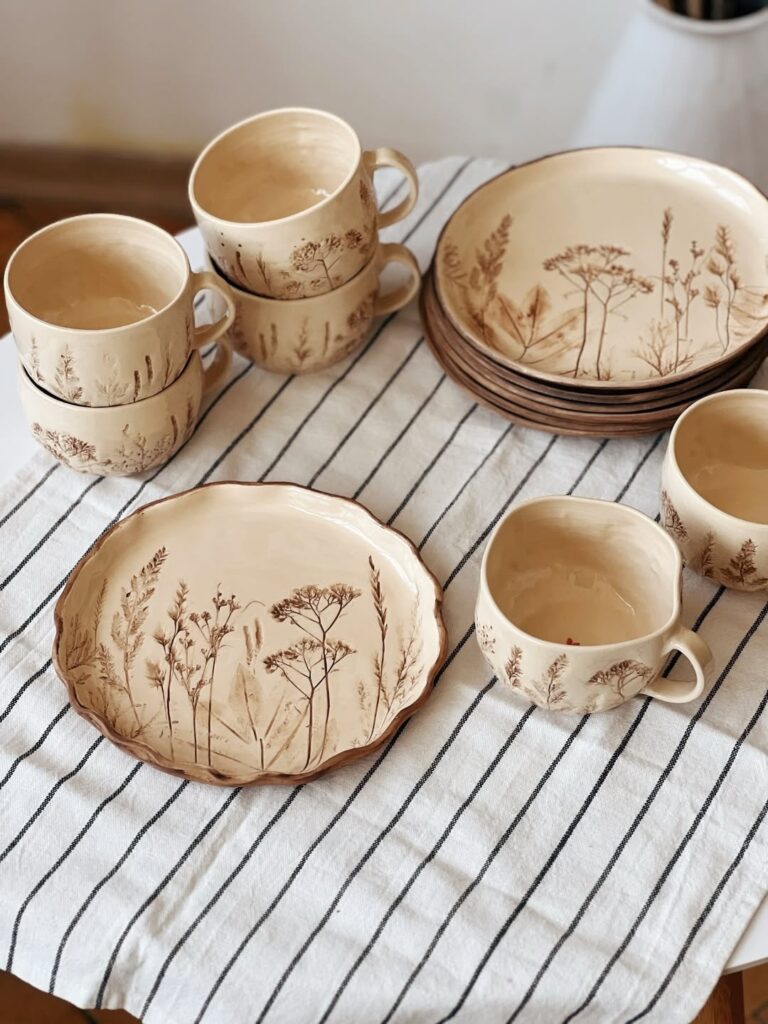
Nature-Imprint Tableware
Credit:ceramic.lovers_
Create bowls, plates, or mugs that capture real textures from nature. Press leaves, bark, flowers, or shells into soft clay to leave delicate impressions. After bisque firing, use earthy glazes—mossy greens, sandy beiges, deep browns—to enhance the organic feel. You can even inlay colored slip into the impressions to highlight veins and patterns. This idea celebrates the quiet beauty of nature and makes every piece unique. It’s perfect for functional ware that still feels artistic. Collect textures from your local environment so your ceramics become a personal record of the landscapes you love.
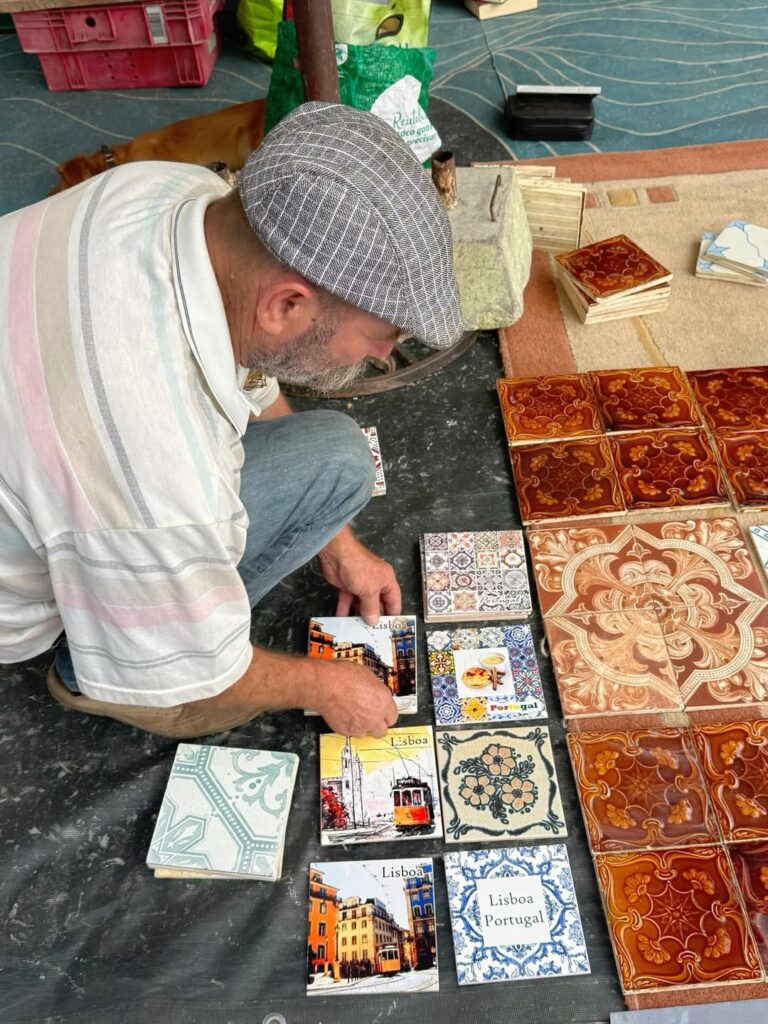
Storytelling Tiles

Credit:andreaschroder1
Design a series of ceramic tiles that together tell a story. Each tile can show a scene, symbol, or pattern connected to a theme like seasons, family, or travel. Carve or paint imagery using underglazes, then arrange tiles as a wall mural or tabletop insert. The narrative aspect makes viewers linger and discover details. You might include abstract motifs mixed with recognizable images for depth. This approach blends art and design, letting you express memories or dreams. Over time, you can add more tiles, turning it into an evolving visual diary in ceramic form.
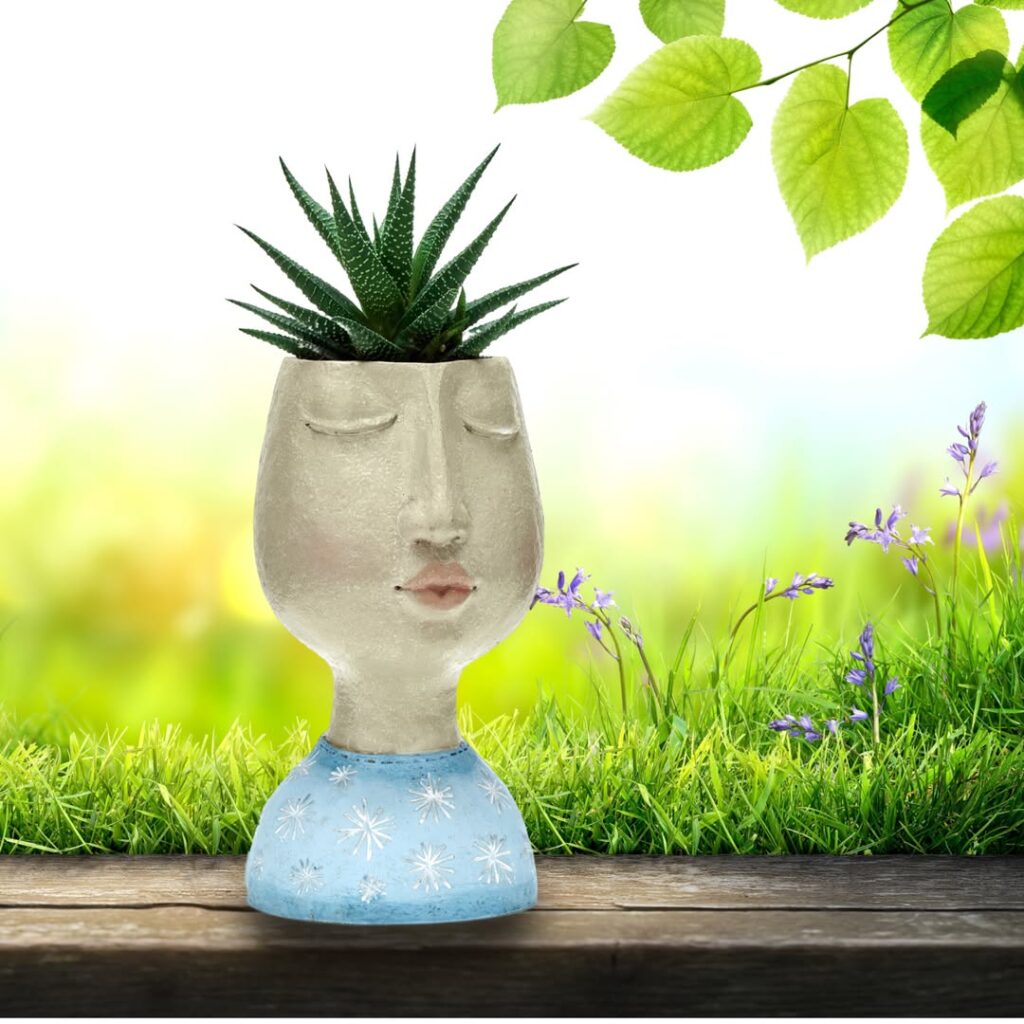
Sculptural Planters
Credit:bentleyshouseofgifts
Move beyond standard pots by crafting sculptural planters shaped like faces, animals, or abstract forms. Design openings where plants grow like hair, horns, or decorative accents. Matte glazes or speckled stoneware finishes work beautifully for a natural look. Consider the plant’s needs—drainage holes, depth, and width. These planters become living sculptures because the greenery constantly changes their appearance. They’re ideal for succulents, trailing vines, or herbs. This idea merges ceramics with gardening, creating décor that feels alive and interactive. Each planter can reflect a mood, personality, or playful theme.
Minimalist Geometry
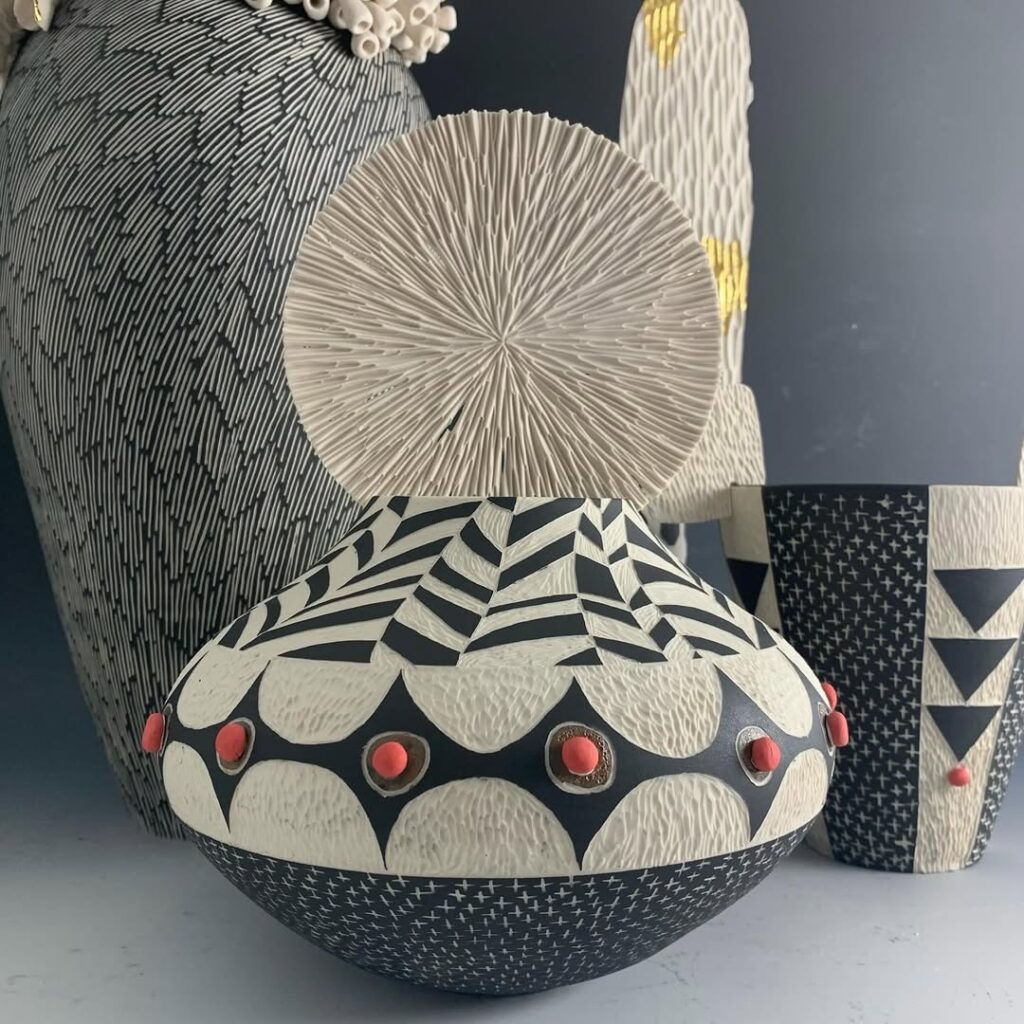
Credit:ceramic.lovers_
Cultural Pattern Exploration
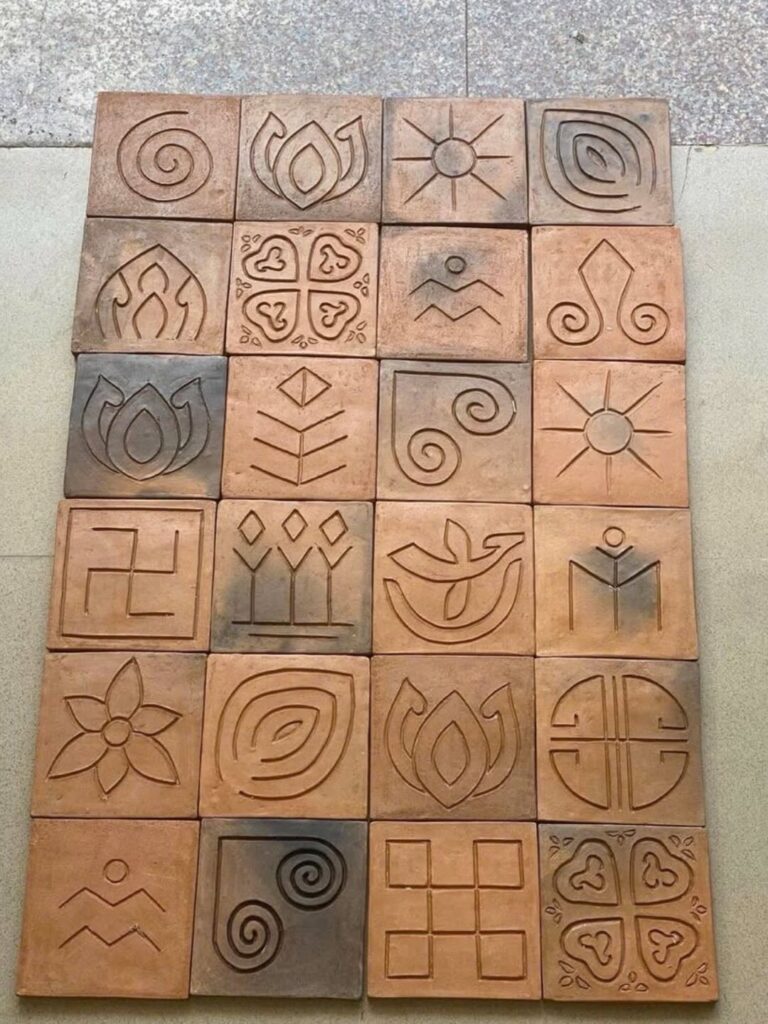
Credit:ceramic.lovers_
Draw inspiration from global textile and architectural patterns. Research motifs from different cultures and reinterpret them respectfully in your own style. Use carving, sgraffito, or colored slips to build layered designs. Repeating patterns on bowls or vases create rhythm and visual harmony. This idea encourages learning about history and symbolism. Keep a sketchbook of patterns that inspire you and adapt them thoughtfully. The result can be vibrant, meaningful ceramics that celebrate cultural artistry. It’s a wonderful path if you enjoy detail work and storytelling through decoration.
Ocean-Inspired Forms
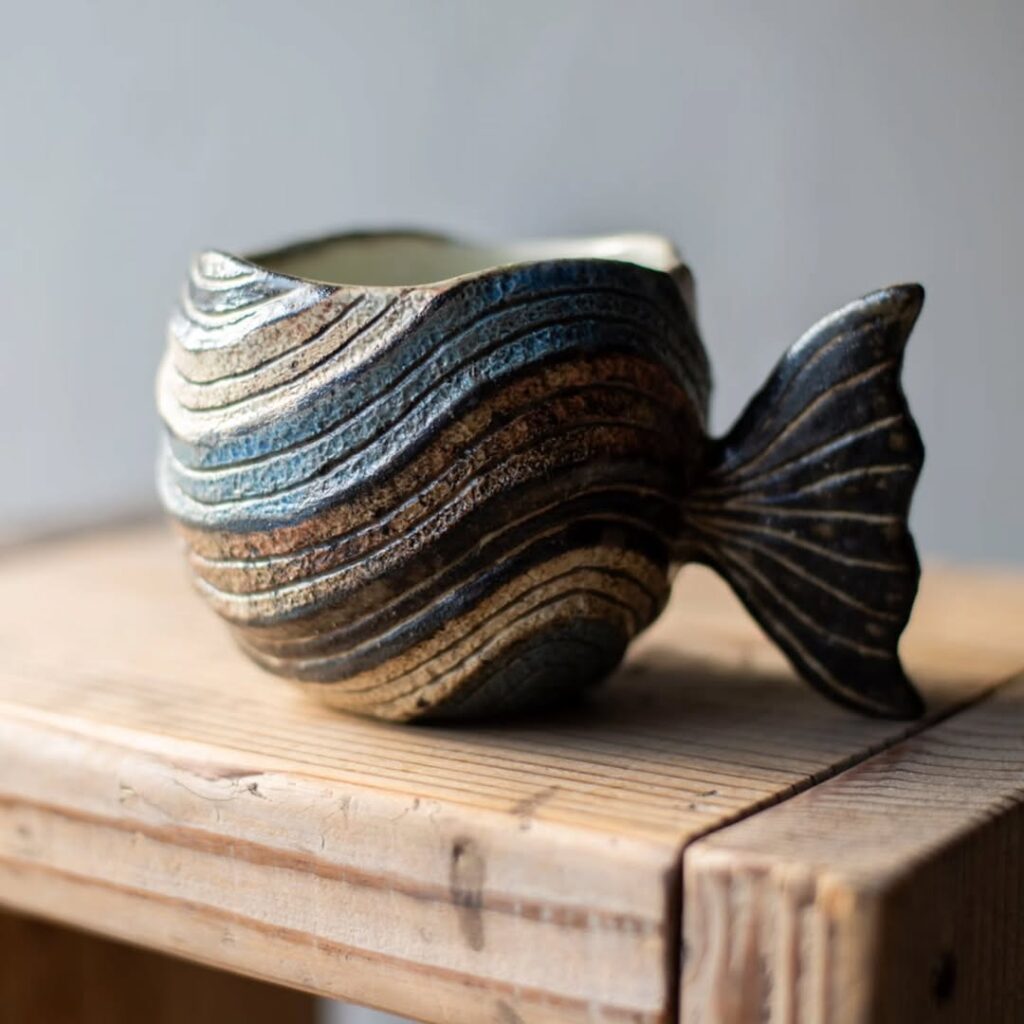
Credit:ceramic.lovers_
Design pieces inspired by waves, coral, shells, and sea life. Let rims ripple like water or carve flowing lines that mimic currents. Glazes in blues, turquoise, seafoam green, and pearlescent whites enhance the aquatic theme. You can experiment with glossy finishes to resemble wet surfaces. Sculptural coral textures add dimension. This theme feels calming and works beautifully for vases or decorative bowls. Collect seashells or photos as references. Ocean-inspired ceramics often evoke tranquility and connection to nature, making them appealing for both makers and buyers.
Functional Art Teapots
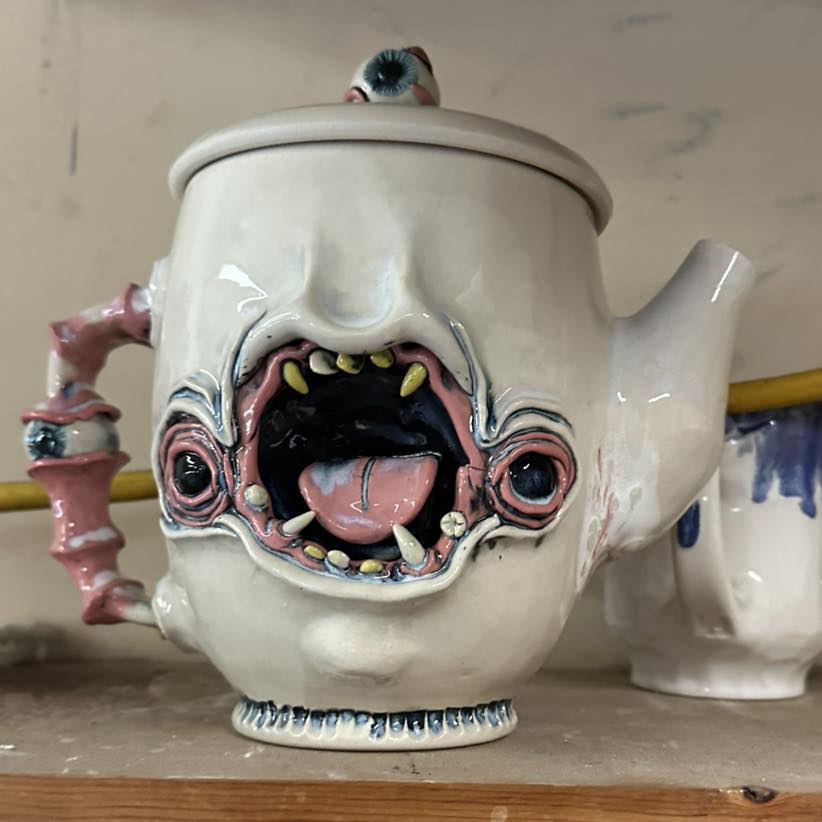
Credit:mixed_potter
Challenge yourself by making teapots that are both practical and expressive. Play with unusual silhouettes, handles, and spouts while keeping them pour-friendly. Add sculptural lids or decorative knobs. Surface designs can match a theme—floral, celestial, or abstract. Teapots teach advanced skills because they combine multiple components. When successful, they become centerpiece items. Consider how the pot feels in the hand and how it pours. This project balances engineering and creativity, perfect for intermediate to advanced ceramicists seeking growth.
Whimsical Figurines
Credit:ceramic.lovers_
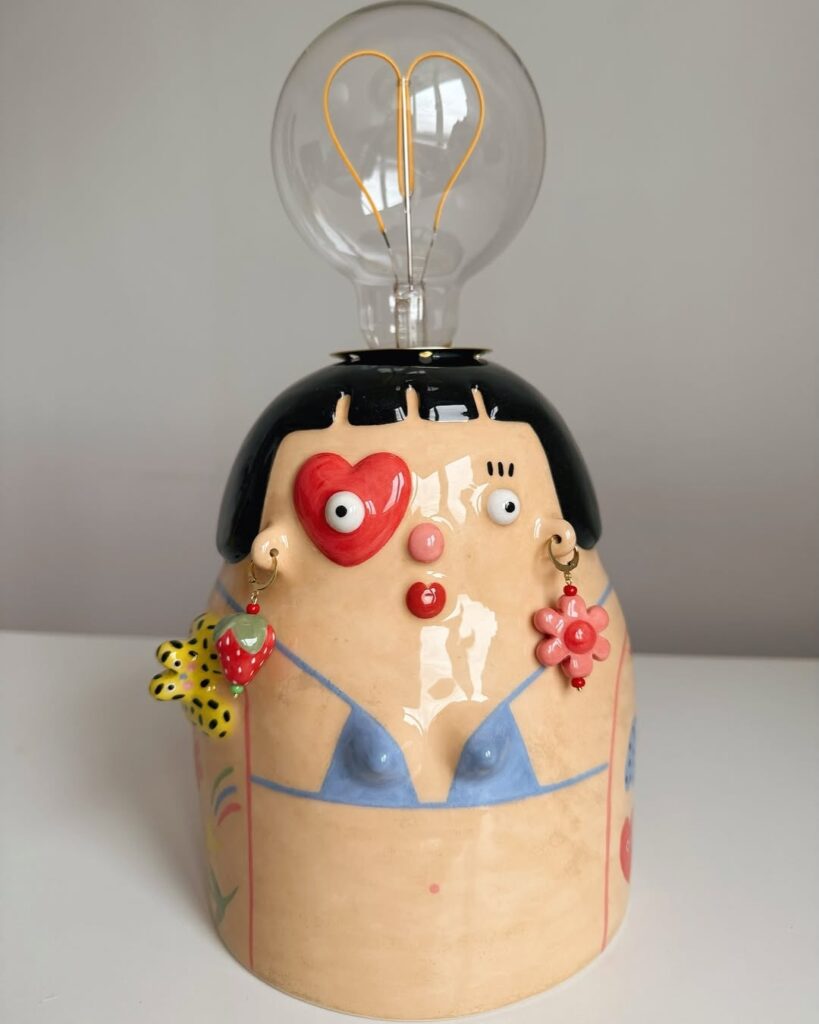
Create small characters—animals, tiny people, or fantasy creatures. Give them personalities through posture, facial expressions, and accessories. Use bright underglazes or soft pastel palettes. These pieces can be collectible and fun to make in series. Slight variations make each one special. Figurines encourage storytelling and imagination, ideal for artists who enjoy playful themes. They also make thoughtful gifts. Try building a themed collection like forest spirits or cozy home scenes. This idea is great for loosening up and exploring narrative art in clay.
Textured Vases
Credit:by_dezign_furniture
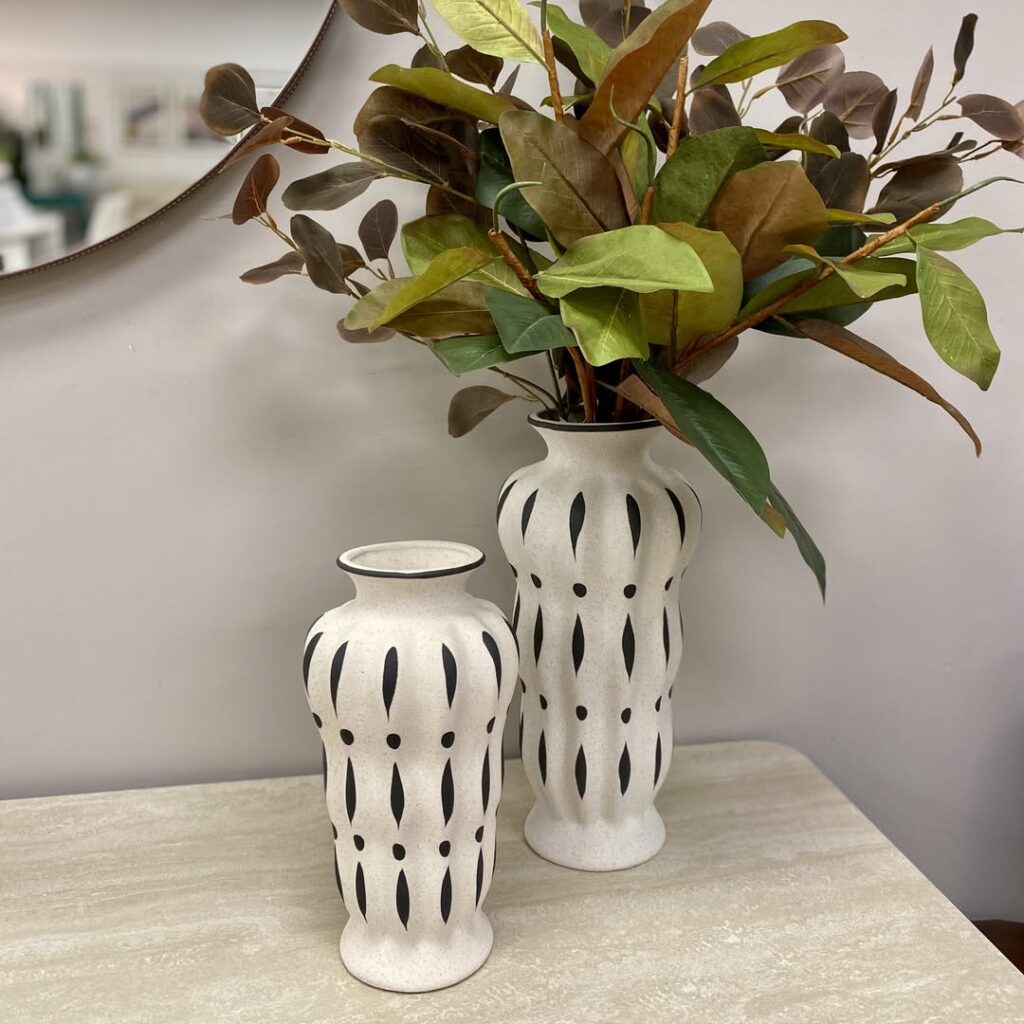
Experiment with texture as the main feature. Use tools, fabrics, stamps, or found objects to create repeating surfaces. Rough textures contrast beautifully with smooth glazed interiors. Try techniques like slip trailing, carving, or attaching small clay elements. Neutral glazes highlight shadows and depth. Textured vases feel tactile and invite touch. They’re visually striking even without bold color. This idea suits artists who love sensory qualities in art. Each texture can evoke a mood—rugged, delicate, or rhythmic—making your work emotionally expressive.
Mixed-Media Ceramics
Credit:hart_ceramics
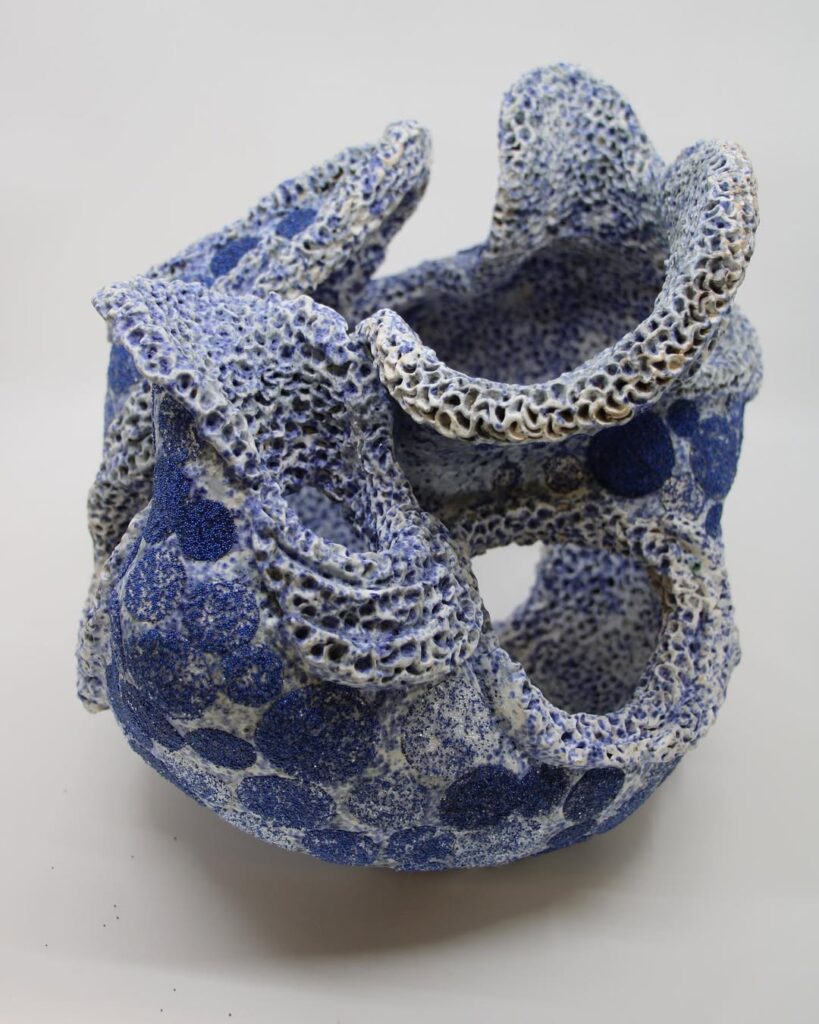
Combine ceramics with other materials like wood, leather, or metal after firing. Add wooden lids, leather straps, or metal stands. The contrast between clay and other textures creates modern, design-forward pieces. Ensure attachments are secure and functional. This approach expands ceramics beyond tradition and into product design. It’s ideal for lamps, containers, or wall art. Mixed-media work encourages experimentation and innovation. You’ll think not just as a potter but as a designer, considering how materials interact visually and structurally.