
A vegetable garden at home is a rewarding and sustainable way to grow fresh, healthy produce right in your backyard, balcony, or even indoors. It allows individuals to have control over the quality of their food while reducing grocery expenses and supporting environmentally friendly practices. Starting a home vegetable garden begins with selecting a suitable location that receives at least six hours of sunlight daily. The soil should be fertile, well-drained, and enriched with compost or organic matter to promote healthy plant growth. Popular beginner-friendly vegetables include tomatoes, spinach, lettuce, carrots, and peppers, as they are relatively easy to grow and maintain. Containers and raised beds are excellent options for small spaces, making gardening accessible even in urban environments.

Regular watering, proper spacing, and protection from pests are essential for a thriving garden. Organic pest control methods, such as neem oil or companion planting, help maintain plant health without harmful chemicals. Gardening also offers mental and physical benefits, including stress relief and light exercise. Beyond providing nutritious food, a vegetable garden fosters patience, responsibility, and a deeper appreciation for nature’s growth cycles and sustainability.
Vegetable Garden At Home Ideas
Container Vegetable Garden
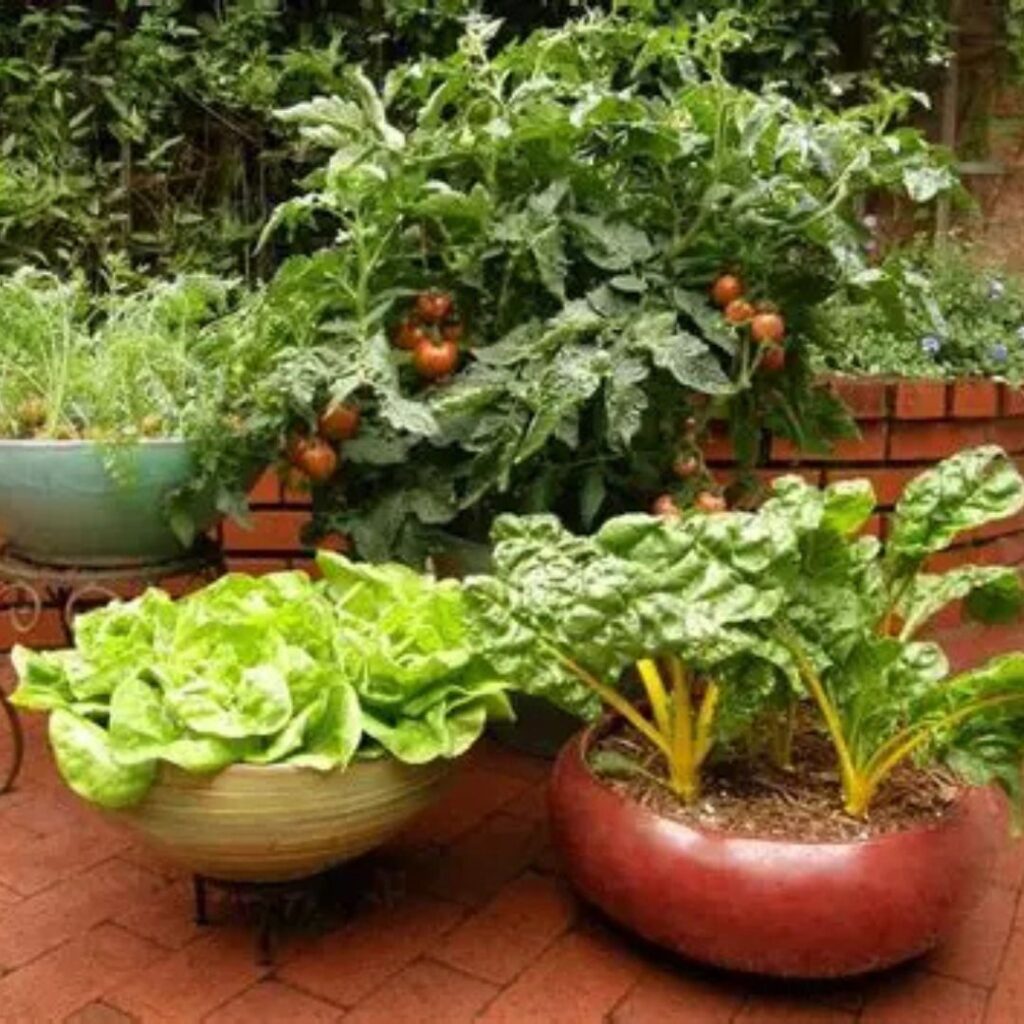
Credit: balconygardenweb.com
A container vegetable garden is perfect for small spaces like balconies, patios, or rental homes. It allows you to grow fresh vegetables without needing a yard. Containers are portable, easy to manage, and ideal for beginners. You can grow tomatoes, peppers, lettuce, spinach, carrots, and even herbs in pots. This method gives you better control over soil quality, watering, and sunlight exposure. It also reduces weed problems and makes pest control easier. With proper drainage and nutrient-rich soil, container gardening can produce impressive harvests in limited space.
How to Grow:
-
Choose containers with drainage holes.
-
Use high-quality potting mix (not garden soil).
-
Select vegetables suited for containers (e.g., cherry tomatoes, lettuce).
-
Place in 6–8 hours of sunlight daily.
-
Water consistently but avoid overwatering.
-
Feed with liquid fertilizer every 2–3 weeks.
Raised Bed Vegetable Garden
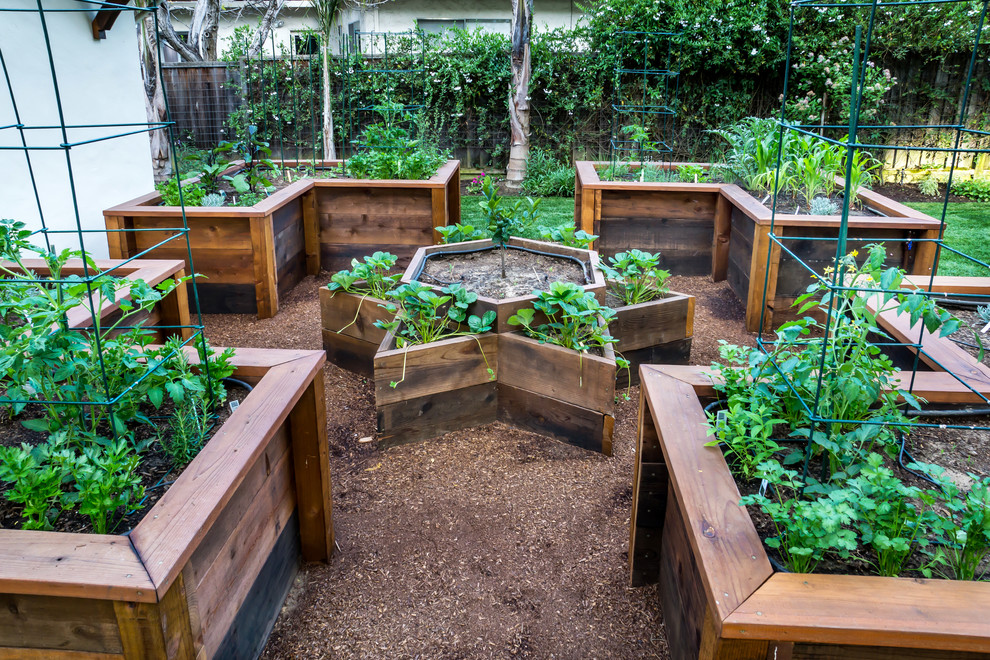
Credit: houzz.com
Raised beds provide excellent drainage, improved soil control, and reduced back strain while gardening. They warm up faster in spring, extending your growing season. This method is ideal for growing root vegetables like carrots and radishes, as well as leafy greens and tomatoes. Raised beds reduce soil compaction and make weed management easier. You can customize the soil mixture to suit different crops. They also improve garden organization and accessibility, making them perfect for both beginners and experienced gardeners looking for higher yields in a structured setup.
How to Grow:
-
Build a wooden or metal raised frame (8–12 inches deep).
-
Fill with compost-rich, well-draining soil.
-
Plan crop spacing carefully.
-
Mulch to retain moisture and reduce weeds.
-
Water deeply 1–2 times weekly.
-
Rotate crops every season.
Vertical Vegetable Garden
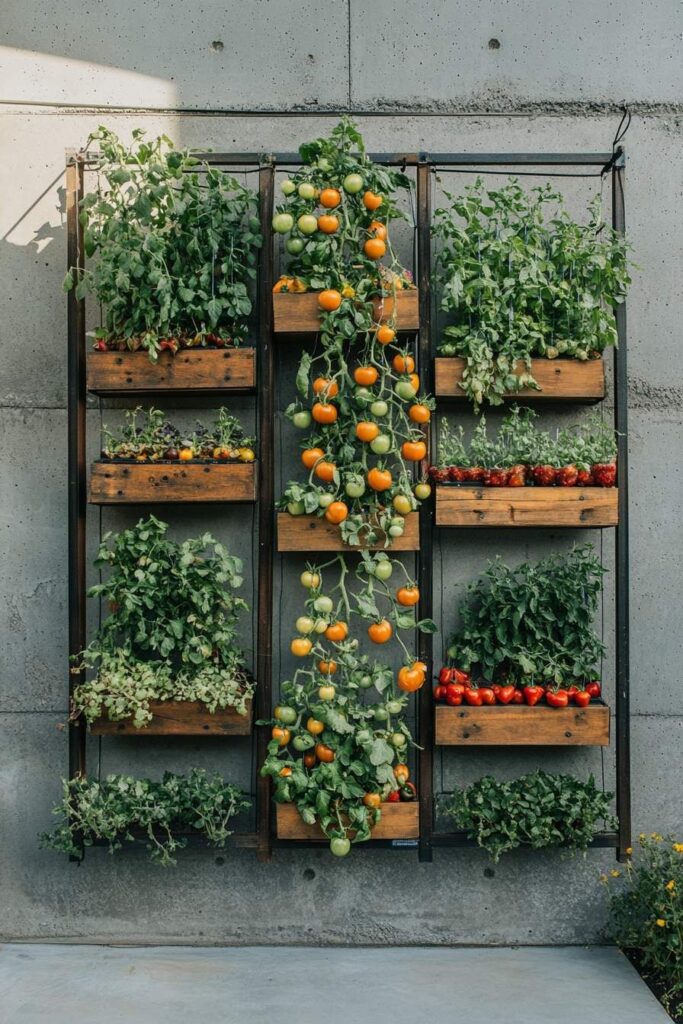
Credit: earthsoulorganics.org
A vertical vegetable garden maximizes space by growing plants upward instead of outward. This is perfect for urban homes with limited ground space. Trellises, wall planters, hanging baskets, and stacked systems allow you to grow cucumbers, beans, peas, strawberries, and leafy greens efficiently. Vertical gardening improves airflow, reduces pests, and makes harvesting easier. It also creates a visually appealing green wall in your home or yard. This method works well on balconies, patios, and even indoor areas with sufficient light.
How to Grow:
-
Install sturdy trellises or vertical planters.
-
Choose climbing or compact plants.
-
Secure vines as they grow.
-
Provide adequate sunlight (6+ hours).
-
Water carefully to avoid drying out.
-
Fertilize regularly for strong growth.
Backyard Traditional Garden
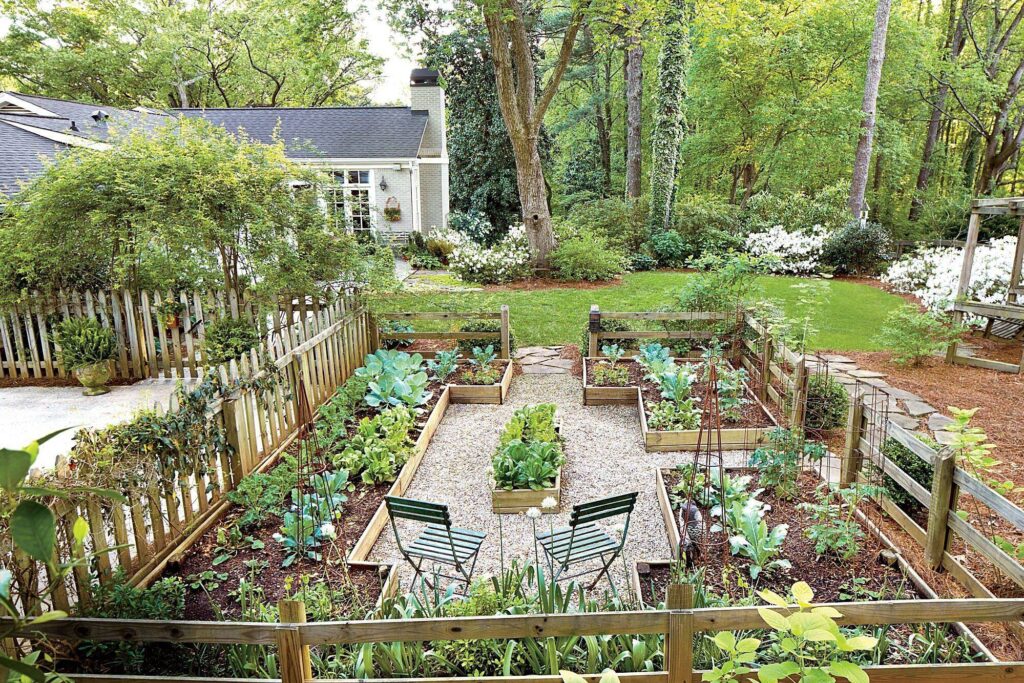
Credit: sharonsable.com
A traditional backyard vegetable garden offers ample space to grow a variety of seasonal vegetables. It allows crop rotation and companion planting for healthier plants. You can grow tomatoes, corn, beans, pumpkins, cabbage, and more. This setup encourages biodiversity and soil enrichment over time. With proper planning, a backyard garden can supply fresh produce year-round. It’s ideal for families looking to reduce grocery costs and enjoy organic food grown at home.
How to Grow:
-
Select a sunny area with good drainage.
-
Till and loosen the soil.
-
Add compost or organic manure.
-
Plant according to seasonal guidelines.
-
Water consistently.
-
Weed regularly and mulch soil.
Indoor Vegetable Garden
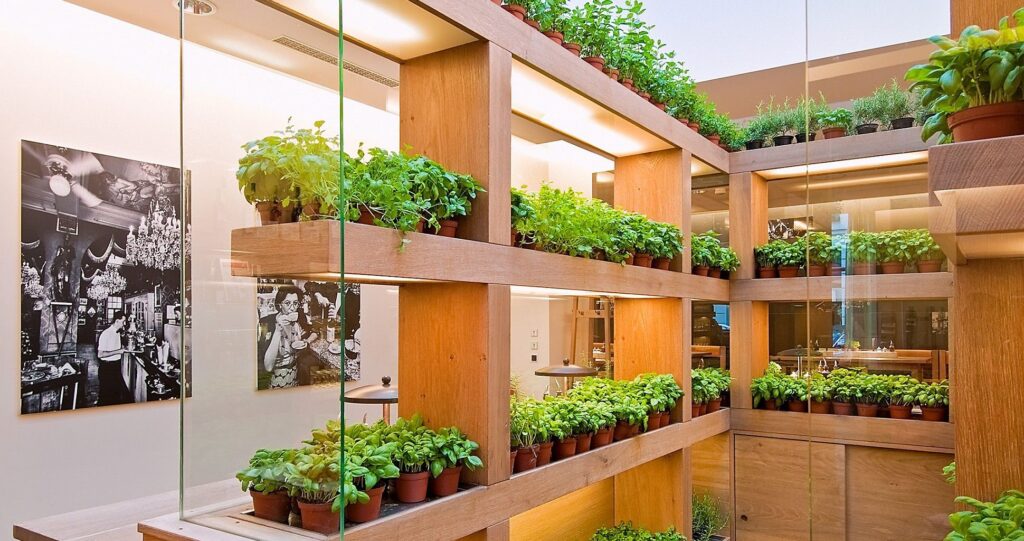
Credit: topsygardening.com
Indoor vegetable gardening allows you to grow fresh produce year-round, regardless of weather conditions. It is ideal for apartments or homes without outdoor space. Vegetables like lettuce, spinach, herbs, microgreens, and even dwarf tomatoes thrive indoors. With proper lighting and care, indoor gardens can be highly productive. Using grow lights ensures consistent light exposure. This method promotes fresh, pesticide-free produce within easy reach in your kitchen.
How to Grow:
-
Choose a sunny window or install grow lights.
-
Use containers with drainage holes.
-
Fill with quality potting soil.
-
Select compact or dwarf varieties.
-
Water moderately.
-
Rotate plants for even light exposure.
Hydroponic Vegetable Garden
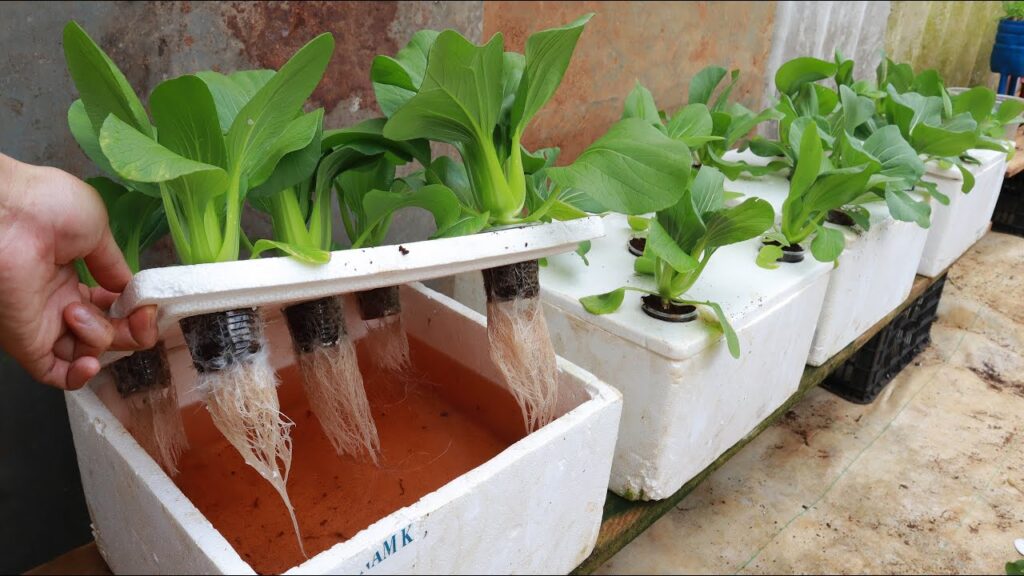
Credit:DHD Garden
Hydroponic gardening grows vegetables without soil, using nutrient-rich water instead. This modern method produces faster growth and higher yields in small spaces. It is suitable for lettuce, herbs, tomatoes, and peppers. Hydroponics reduces water usage and eliminates soil-borne diseases. Systems range from simple DIY setups to advanced automated units. It’s ideal for indoor growing and controlled environments.
How to Grow:
-
Choose a hydroponic system (e.g., deep water culture).
-
Prepare nutrient solution.
-
Place seedlings in net pots.
-
Maintain proper pH levels (5.5–6.5).
-
Provide 12–16 hours of light.
-
Monitor water and nutrient levels regularly.
Kitchen Herb & Vegetable Garden
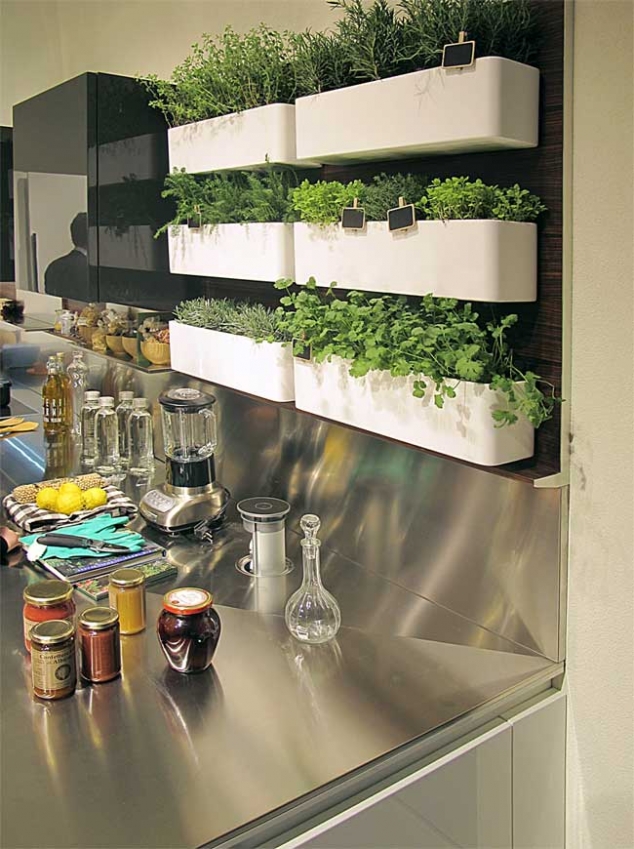
Credit: favething.com
A kitchen garden focuses on growing herbs and quick-growing vegetables for daily cooking. Basil, coriander, mint, green onions, lettuce, and chili peppers are popular choices. This garden can be placed near the kitchen for convenience. It ensures fresh ingredients are always available. The compact size makes maintenance easy and enjoyable for beginners.
How to Grow:
-
Use small pots or planter boxes.
-
Place near sunlight (window/balcony).
-
Plant herbs and leafy vegetables.
-
Water lightly but consistently.
-
Harvest regularly to promote growth.
-
Add organic compost monthly.
Balcony Vegetable Garden
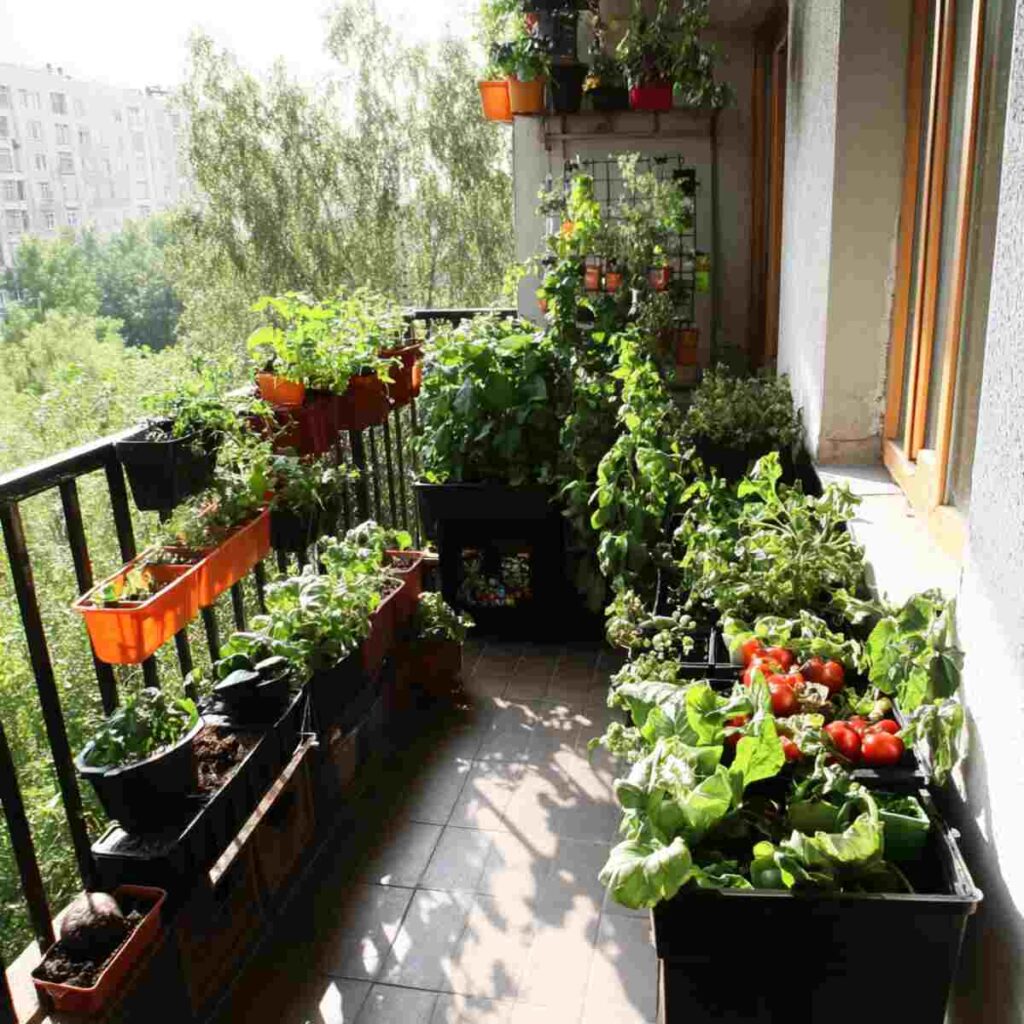
Credit: bloomyheaven.com
A balcony garden transforms unused space into a productive vegetable-growing area. With creative arrangements like railing planters and vertical racks, you can grow tomatoes, peppers, spinach, and herbs. It enhances air quality and adds greenery to urban homes. Proper sunlight assessment is essential for plant selection.
How to Grow:
-
Assess sunlight exposure.
-
Use lightweight containers.
-
Ensure proper drainage.
-
Choose compact plant varieties.
-
Water daily during hot weather.
-
Support climbing plants with stakes.
Square Foot Gardening
Credit: naturallivingideas.com
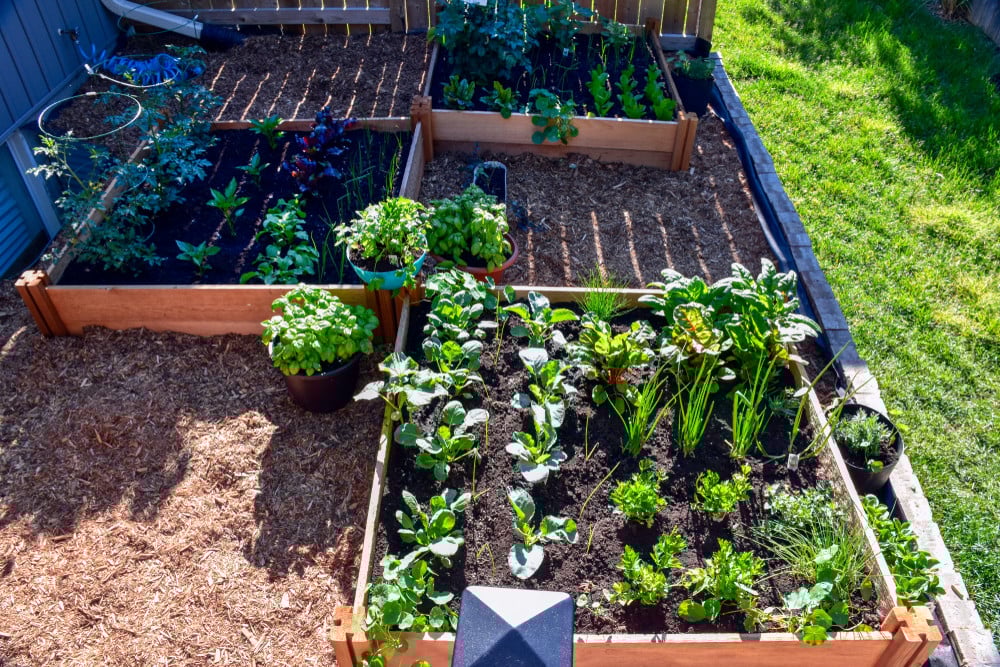
Square foot gardening divides a small raised bed into square sections for organized planting. Each square holds a specific crop, maximizing yield and minimizing waste. This method is efficient and beginner-friendly. It reduces weeds and simplifies crop rotation planning.
How to Grow:
-
Build a 4×4 ft raised bed.
-
Divide into 1×1 ft squares.
-
Assign crops per square.
-
Use nutrient-rich soil mix.
-
Water evenly.
-
Replant after each harvest.
Organic Vegetable Garden
Credit: ar.inspiredpencil.com
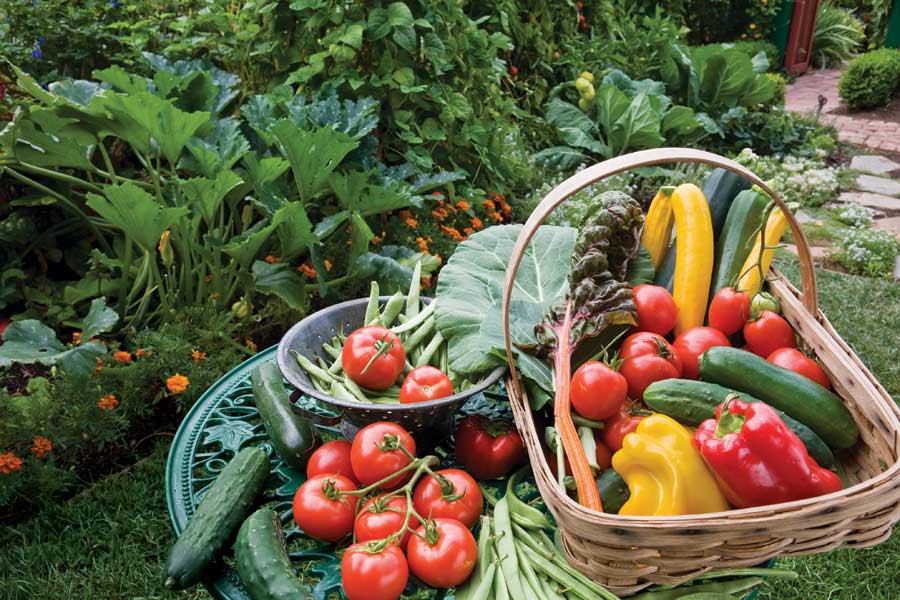
An organic vegetable garden avoids synthetic chemicals and focuses on natural fertilizers and pest control methods. Compost, manure, and natural pesticides improve soil health and plant nutrition. This method promotes sustainability and healthier produce for your family.
How to Grow:
-
Prepare soil with compost.
-
Choose organic seeds.
-
Use mulch to retain moisture.
-
Apply natural pest control (neem oil).
-
Rotate crops annually.
-
Maintain healthy watering schedule.