
Backyard vegetable garden ideas can transform an ordinary outdoor space into a productive and visually appealing food haven. A well-planned backyard garden begins with assessing sunlight, soil quality, and available space. Most vegetables require at least six to eight hours of direct sunlight daily, so positioning garden beds accordingly is essential. Raised beds are a popular choice because they improve drainage, reduce soil compaction, and make maintenance easier. Companion planting—such as pairing tomatoes with basil or carrots with onions—can naturally deter pests and enhance growth. Vertical gardening using trellises, cages, or wall-mounted planters maximizes space, especially for climbing plants like beans, cucumbers, and peas. Incorporating pathways between beds improves accessibility and prevents soil damage from foot traffic. Organic composting systems can recycle kitchen waste into nutrient-rich fertilizer, supporting sustainable practices.

Drip irrigation systems conserve water while ensuring consistent moisture levels. Adding mulch helps retain soil moisture, suppress weeds, and regulate temperature. Decorative touches like labeled plant markers, small fences, or border flowers can enhance the aesthetic appeal. Seasonal crop rotation further maintains soil fertility and reduces disease risks. Overall, a backyard vegetable garden combines practicality, sustainability, and creativity, offering fresh produce, physical activity, and a rewarding connection to nature.
Backyard Vegetable Garden Ideas
Raised Bed Vegetable Garden
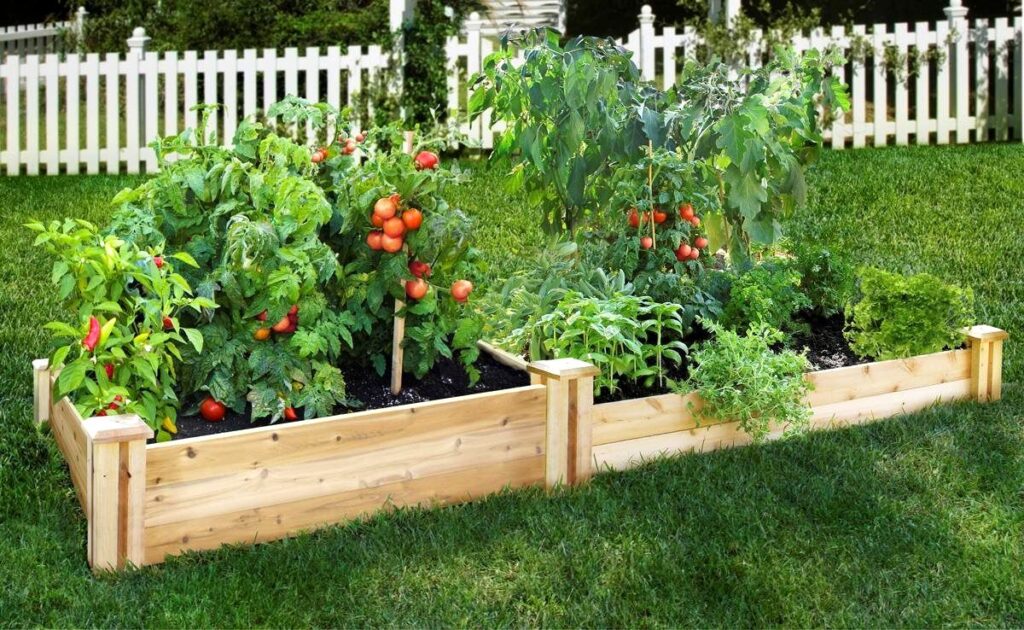
Credit: northeastnursery.com
Raised beds are one of the most practical and productive backyard vegetable garden ideas. These elevated wooden, brick, or stone-framed boxes improve drainage, prevent soil compaction, and allow you to control soil quality. They warm up faster in spring, extending your growing season. Raised beds are ideal for carrots, lettuce, spinach, tomatoes, and peppers. You can organize crops in neat rows or use square-foot gardening for maximum efficiency. They also reduce bending, making gardening easier on your back. Adding mulch helps retain moisture and prevent weeds. This setup is perfect for beginners and experienced gardeners alike.
Vertical Vegetable Garden
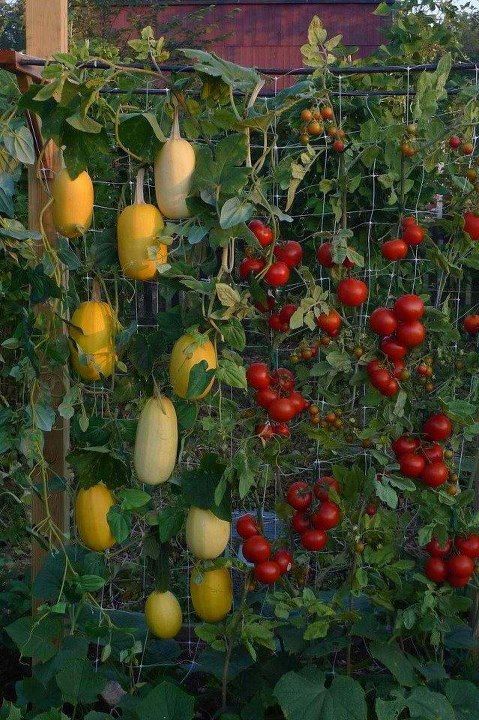
Credit: billyoh.com
A vertical garden maximizes small backyard spaces by growing plants upward instead of outward. Trellises, wall-mounted planters, stacked pots, or wooden pallets can support climbing vegetables like cucumbers, beans, peas, and tomatoes. This method improves air circulation, reduces pests, and makes harvesting easier. It also adds visual interest and turns plain walls or fences into productive growing areas. Vertical gardening works well in urban homes or compact yards. You can even combine herbs and leafy greens in hanging baskets. This space-saving solution is practical, decorative, and highly efficient.
Container Vegetable Garden
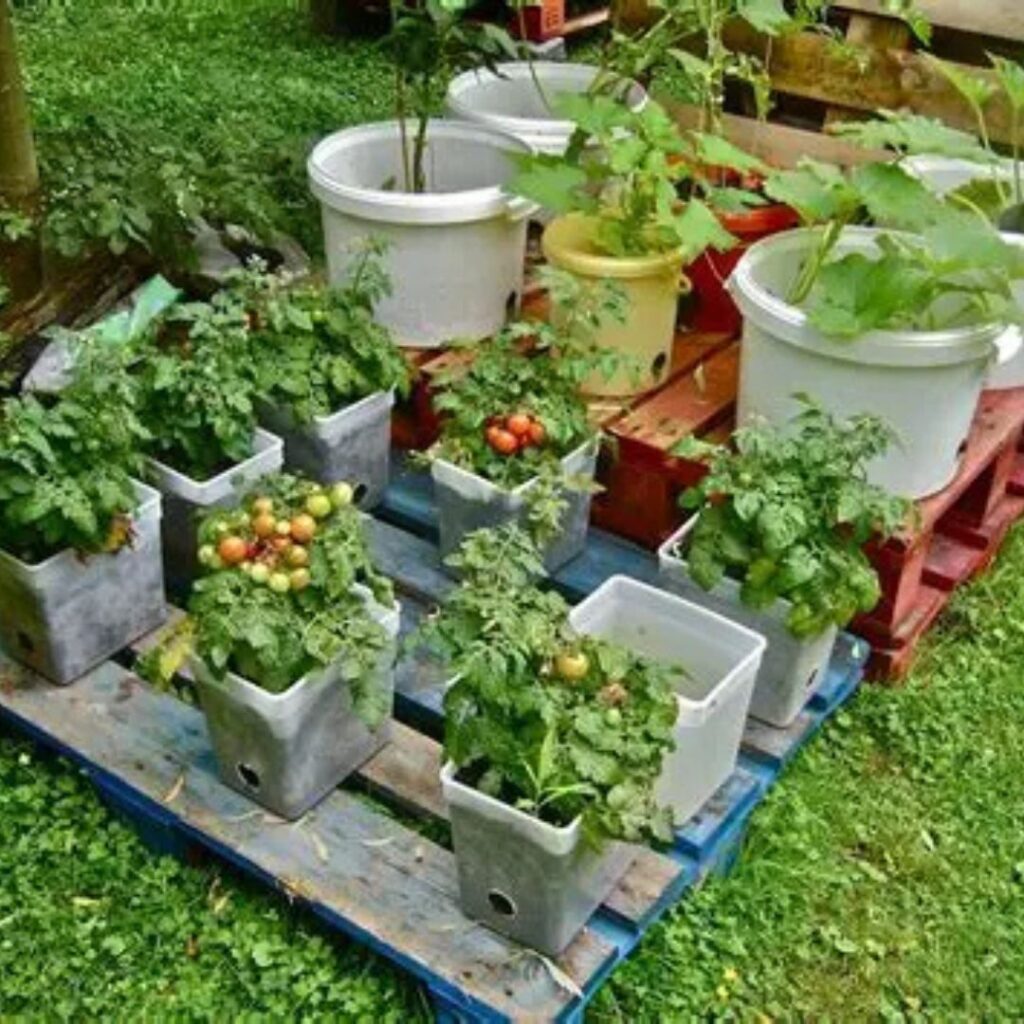
Credit: sharonsable.com
Container gardening is flexible and perfect for patios, decks, or small backyards. Vegetables like peppers, tomatoes, spinach, kale, and herbs grow beautifully in pots, grow bags, or recycled containers. You can move containers to follow sunlight or protect plants from harsh weather. Using high-quality potting soil ensures proper drainage and nutrients. Containers also reduce weed growth and soil-borne diseases. They are ideal for renters or those with limited ground space. With proper watering and fertilizing, container gardens can be just as productive as traditional in-ground gardens.
Square Foot Gardening
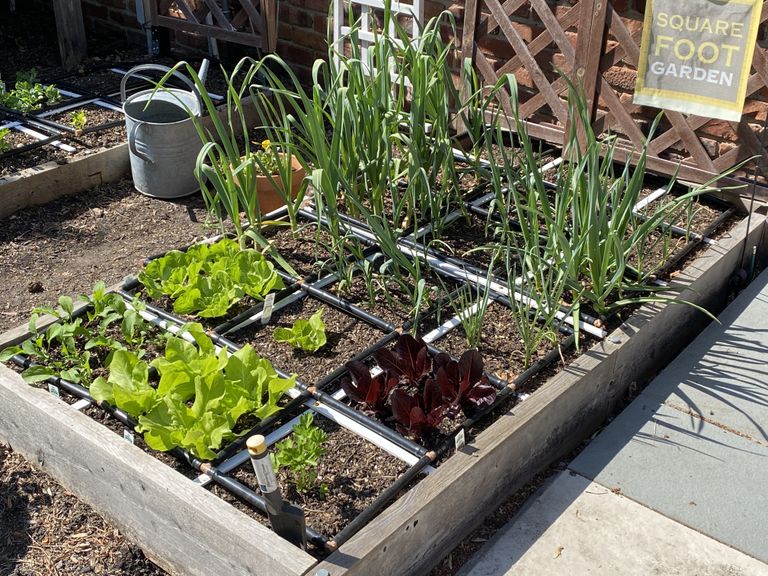
Credit: livingetc.com
Square foot gardening divides a raised bed into small square sections, each dedicated to a different crop. This method maximizes yield while minimizing waste and weeds. For example, one square can grow a tomato plant, while another grows multiple carrots or lettuce heads. It’s highly organized and beginner-friendly. The layout makes crop rotation and succession planting easier to manage. It also ensures efficient spacing, preventing overcrowding. This structured gardening style helps gardeners plan better and achieve consistent harvests throughout the season.
Companion Planting Garden
Credit: practicaloffgridliving.com
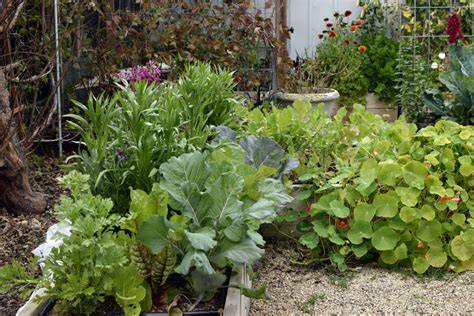
Companion planting involves growing specific vegetables together to improve growth and deter pests naturally. For example, tomatoes grow well with basil, while carrots benefit from onions nearby. Marigolds can repel harmful insects when planted among vegetables. This eco-friendly approach reduces the need for chemical pesticides. Companion planting also enhances pollination and improves soil health. Designing your backyard garden with compatible plant groupings leads to healthier crops and higher yields. It’s a natural, sustainable gardening technique that benefits both plants and the environment.
Herb and Vegetable Mixed Garden
Credit: radioeucaristia.com
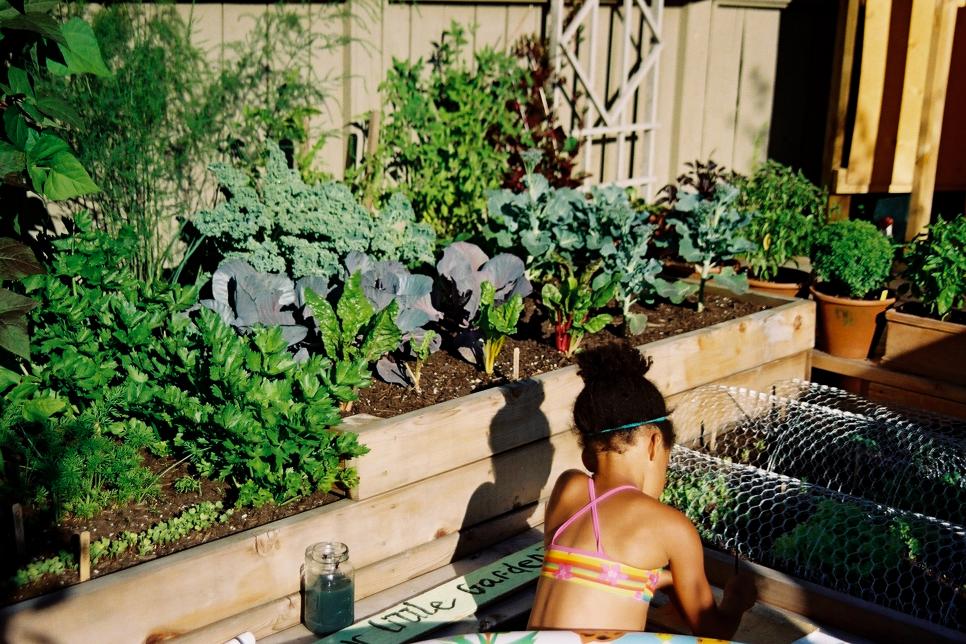
Combining herbs and vegetables in one backyard garden creates a fragrant, productive, and attractive space. Herbs like rosemary, thyme, basil, and parsley not only enhance cooking but also repel pests and attract pollinators. Mixing leafy greens with colorful peppers and tomatoes creates visual appeal. This garden style maximizes space and improves biodiversity. Herbs can act as natural borders or fillers between larger vegetable plants. The result is a functional garden that provides fresh ingredients for daily meals while looking beautiful and organized.
Greenhouse Backyard Garden
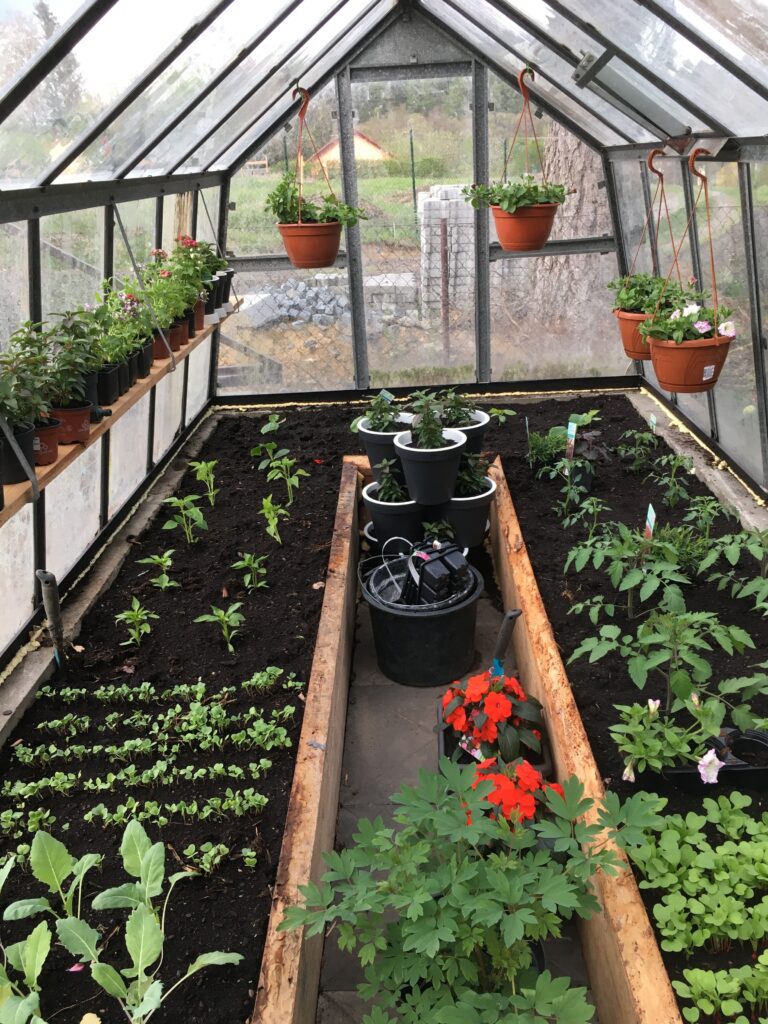
A small backyard greenhouse allows year-round vegetable production. It protects plants from frost, heavy rain, pests, and extreme temperatures. You can start seedlings early in spring and grow crops like tomatoes, cucumbers, and peppers for extended seasons. A greenhouse creates a controlled environment where humidity, temperature, and watering can be managed efficiently. Even a small DIY greenhouse made from clear panels can dramatically increase productivity. This setup is ideal for gardeners in colder climates who want fresh produce beyond the traditional growing season.
Edible Landscape Garden
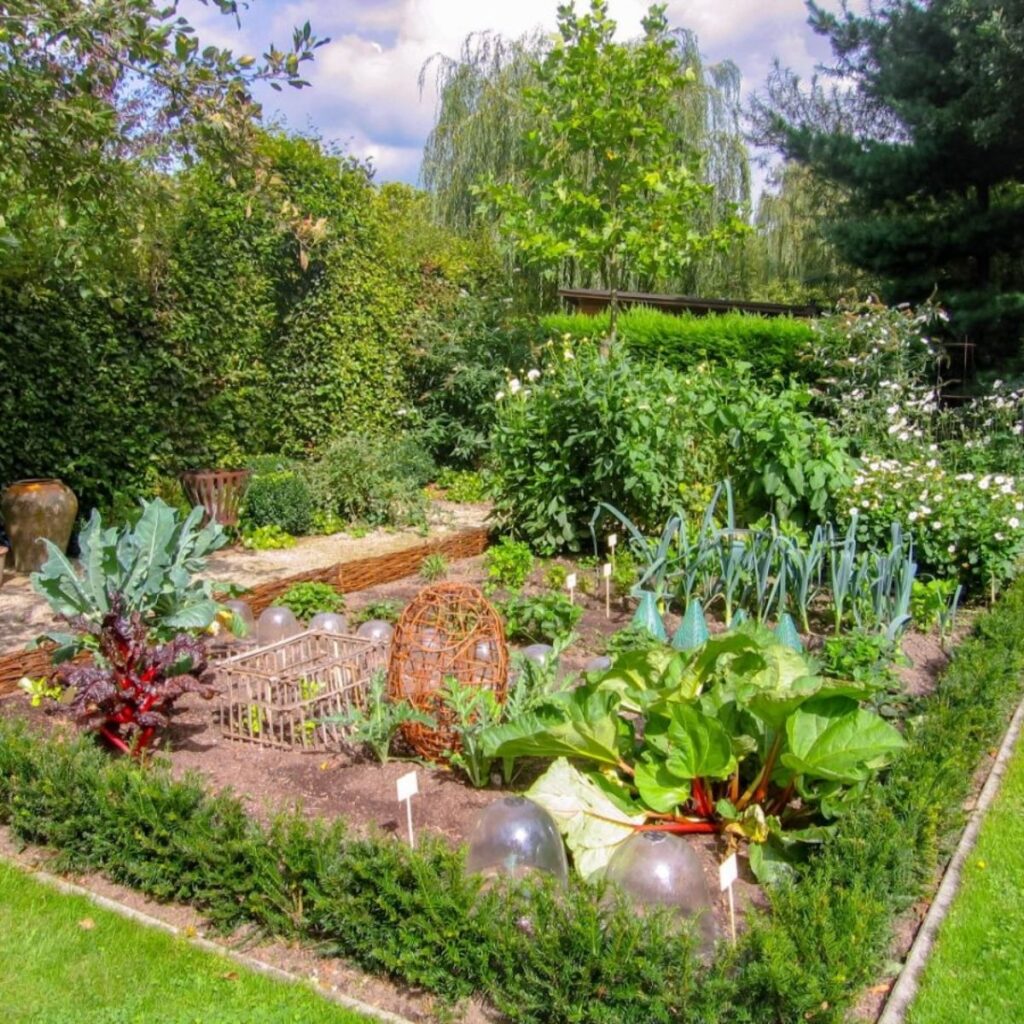
An edible landscape combines beauty with functionality by integrating vegetables into decorative garden designs. Instead of traditional flower beds, you plant colorful Swiss chard, purple cabbage, ornamental peppers, and lettuce varieties. Vegetables can be arranged in patterns, borders, or layered designs. This approach blends food production with aesthetic appeal. It transforms your backyard into a visually stunning yet productive space. Edible landscaping is perfect for homeowners who want a stylish garden without sacrificing practicality.
No-Dig Vegetable Garden
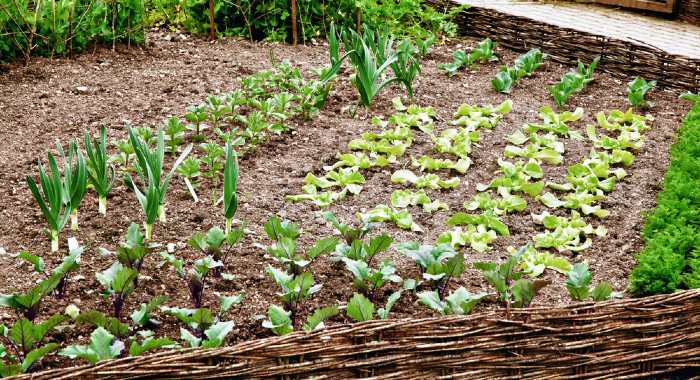
Credit: vegetablegrowing.co.uk
A no-dig garden involves layering compost and organic materials on top of existing soil instead of tilling it. This method preserves soil structure, encourages beneficial organisms, and reduces weed growth. Over time, the layers break down into nutrient-rich soil. It requires less physical effort and minimizes disruption to natural ecosystems. No-dig gardens retain moisture better and promote healthier plant roots. This sustainable approach is ideal for eco-conscious gardeners who want productive results with less labor.
Backyard Kitchen Garden
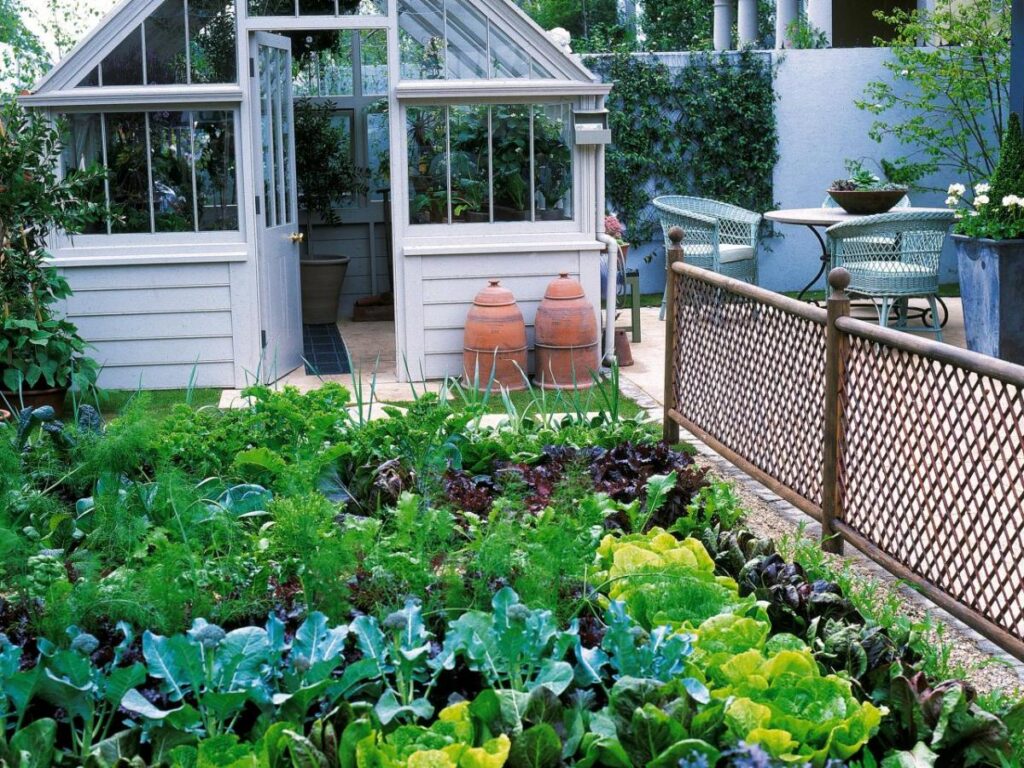
Credit: sharonsable.com
A kitchen garden is designed for convenience, growing vegetables you frequently use in cooking. Plant tomatoes, onions, spinach, peppers, lettuce, and herbs close to your home for easy harvesting. Organize crops based on seasonal needs and cooking habits. This garden style focuses on practicality and freshness. Succession planting ensures a steady supply of produce. By keeping commonly used vegetables nearby, you reduce grocery trips and enjoy fresher, more flavorful meals straight from your backyard.