
Raised garden ideas focus on creating elevated planting areas that improve soil quality, drainage, and accessibility while enhancing the overall appearance of an outdoor space. These gardens are typically built using materials such as wood, stone, concrete blocks, or metal, allowing gardeners to customize the height, shape, and layout to suit their needs. Raised beds are ideal for growing vegetables, herbs, flowers, and even small shrubs because the soil can be specially prepared with nutrient-rich compost and organic matter. This controlled environment reduces weed growth and minimizes soil compaction, which helps plant roots develop more efficiently.
Raised gardens are especially beneficial for people with limited mobility, as they reduce the need for bending and kneeling. Creative ideas include tiered garden beds, vertical raised planters, and decorative edging to add visual interest. They can be installed in backyards, patios, or even small urban spaces, making gardening more accessible and productive. Overall, raised garden designs combine functionality and beauty, making them a popular choice for both beginner and experienced gardeners.
Raised Garden Ideas
Wooden Raised Garden Beds
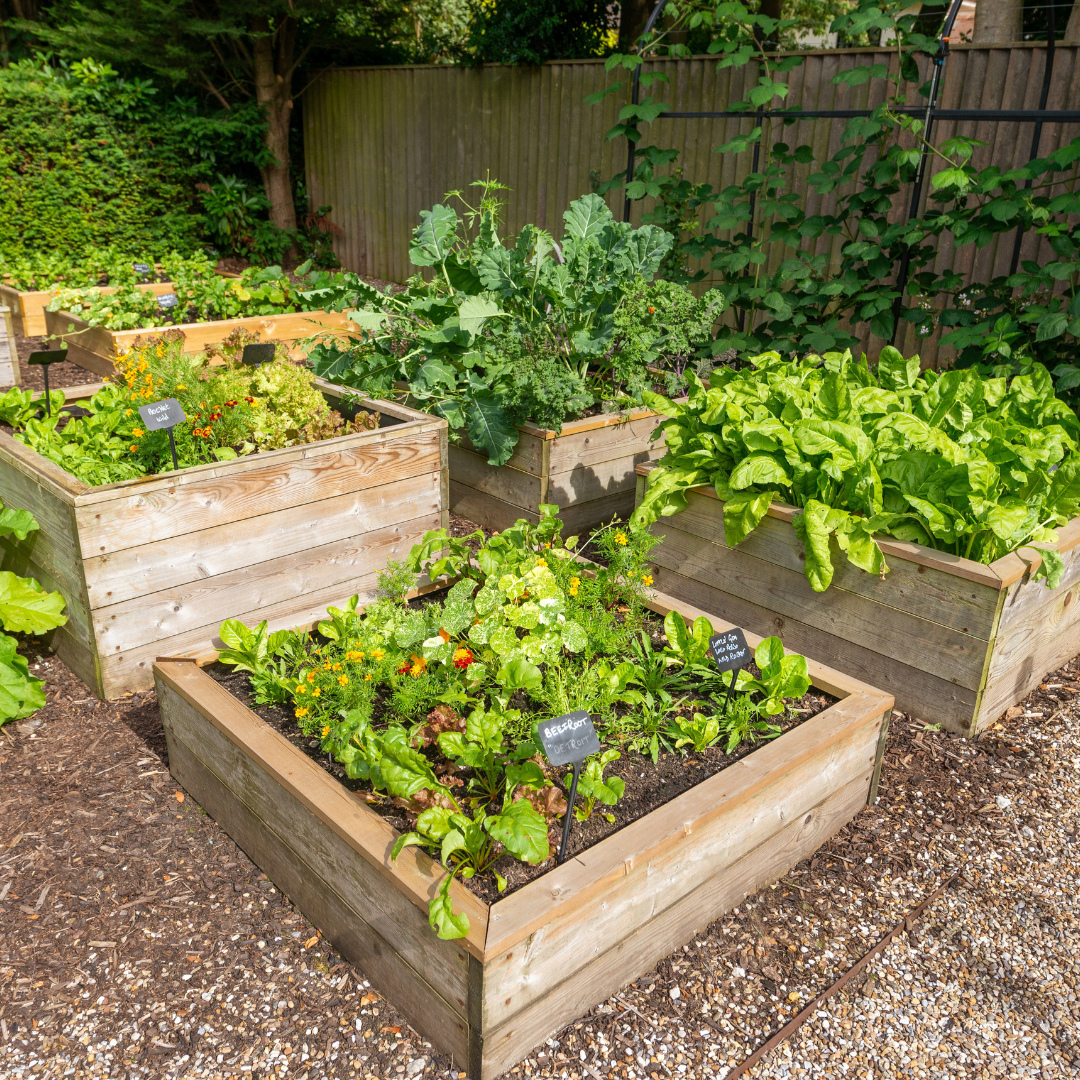
Credit@harrodhorticultural
Wooden raised beds are one of the most popular and versatile garden options. Built from untreated cedar, pine, or redwood, they provide a natural, rustic look that blends beautifully into most outdoor spaces. These beds allow excellent control over soil quality, drainage, and plant spacing, making them ideal for vegetables, herbs, and flowers. Their elevated structure reduces soil compaction and minimizes weed growth. Wooden beds also warm up faster in spring, extending the growing season and supporting healthier root development for plants.
Maintaining Productivity
-
Replace or reinforce wood every few years
-
Add compost at the start of each season
-
Rotate crops annually to prevent soil depletion
-
Water deeply and consistently
-
Mulch to retain moisture and suppress weeds
Stone or Brick Raised Gardens
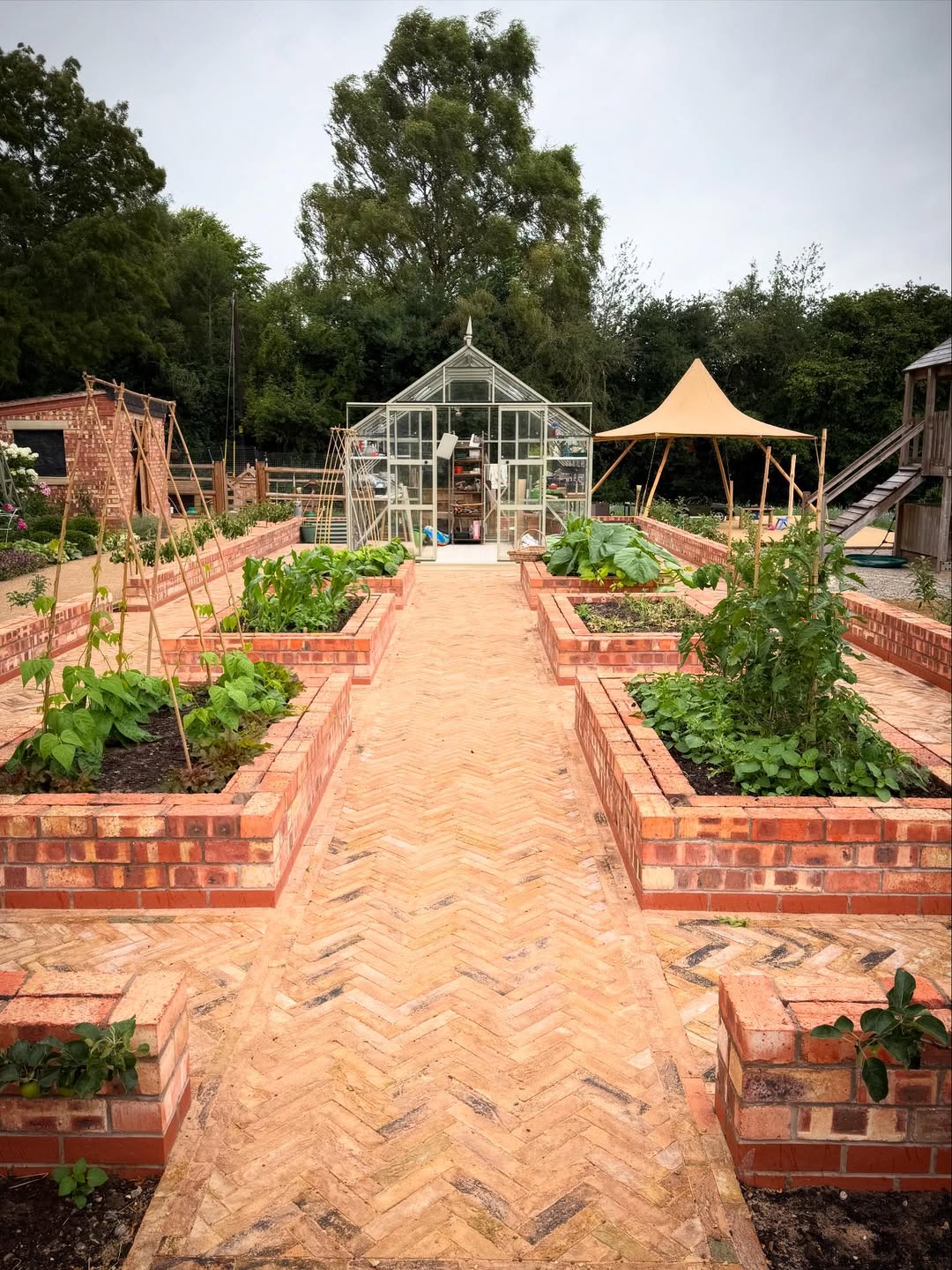
Credit@alexandrafroggatt
Stone or brick raised gardens offer a durable and elegant solution for long-term gardening. These beds retain heat well, helping plants grow stronger roots and extending the growing season in cooler climates. Their sturdy structure prevents erosion and withstands harsh weather conditions. Stone beds are ideal for permanent garden layouts and can enhance the aesthetic value of patios and yards. They work especially well for perennial plants, herbs, and flowering shrubs.
Maintaining Productivity
-
Check mortar joints annually for cracks
-
Add organic matter regularly to improve soil fertility
-
Ensure proper drainage at the base
-
Prune plants to prevent overcrowding
-
Test soil pH periodically
Metal Raised Garden Beds
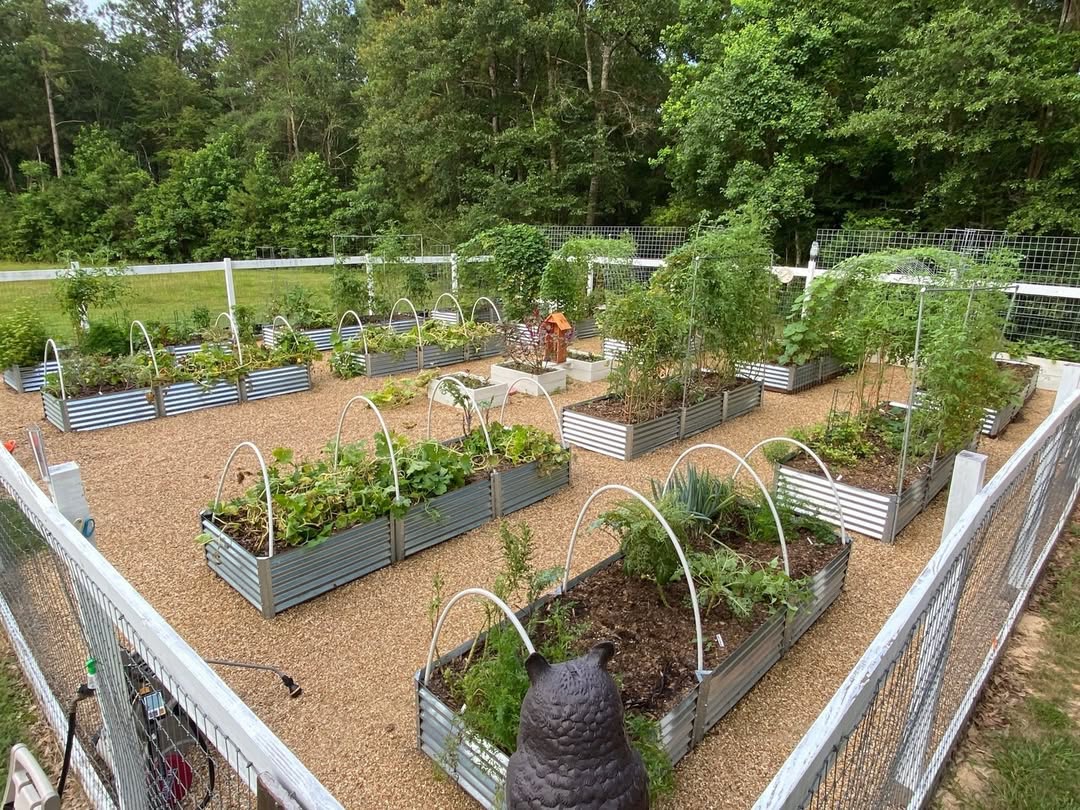
Credit@metalgardenbeds
Metal raised beds, often made from galvanized steel or corrugated metal, provide a modern and minimalist look. They are highly durable, resistant to rot, and require minimal maintenance. These beds heat up quickly, making them excellent for early planting. Their sleek design fits well in urban gardens and small spaces. Metal beds are ideal for vegetables like tomatoes, peppers, and leafy greens.
Maintaining Productivity
-
Line interior with protective barrier to prevent overheating
-
Monitor soil temperature in hot climates
-
Add compost and slow-release fertilizers
-
Water frequently as metal heats faster
-
Rotate crops to maintain soil health
Tiered Raised Garden Beds
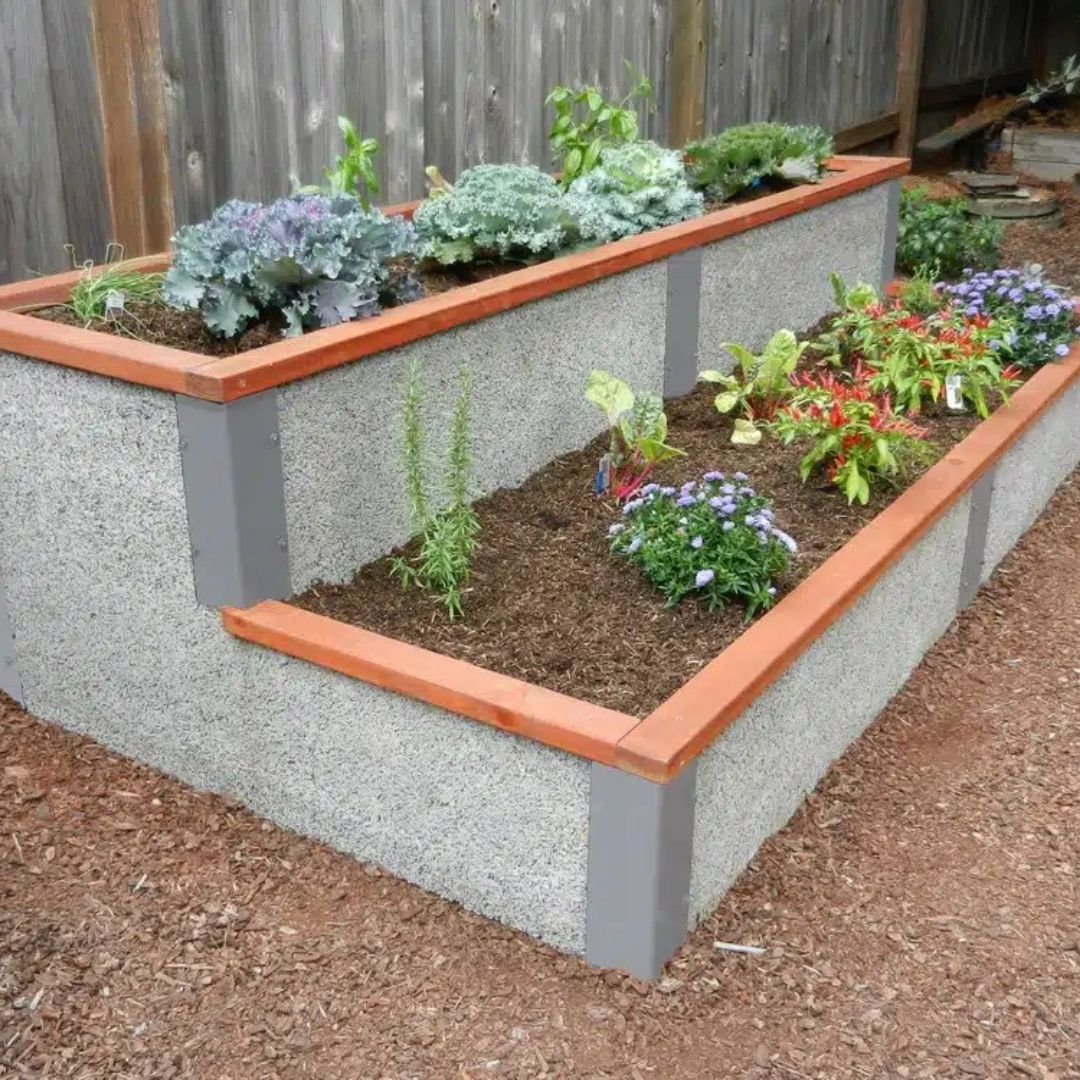
Credit@radioeucaristia.com
Tiered raised garden beds feature multiple levels, allowing gardeners to grow a variety of plants in a compact space. They are perfect for sloped yards and small gardens, offering excellent drainage and visual appeal. The layered design makes harvesting easier and allows different plants to receive appropriate sunlight. These gardens are ideal for herbs, strawberries, leafy greens, and shallow-rooted vegetables.
Maintaining Productivity
-
Plant sun-loving crops on upper tiers
-
Add fresh soil to lower tiers annually
-
Water each tier evenly
-
Fertilize lightly but frequently
-
Remove dead plants promptly
Raised Vegetable Garden Boxes
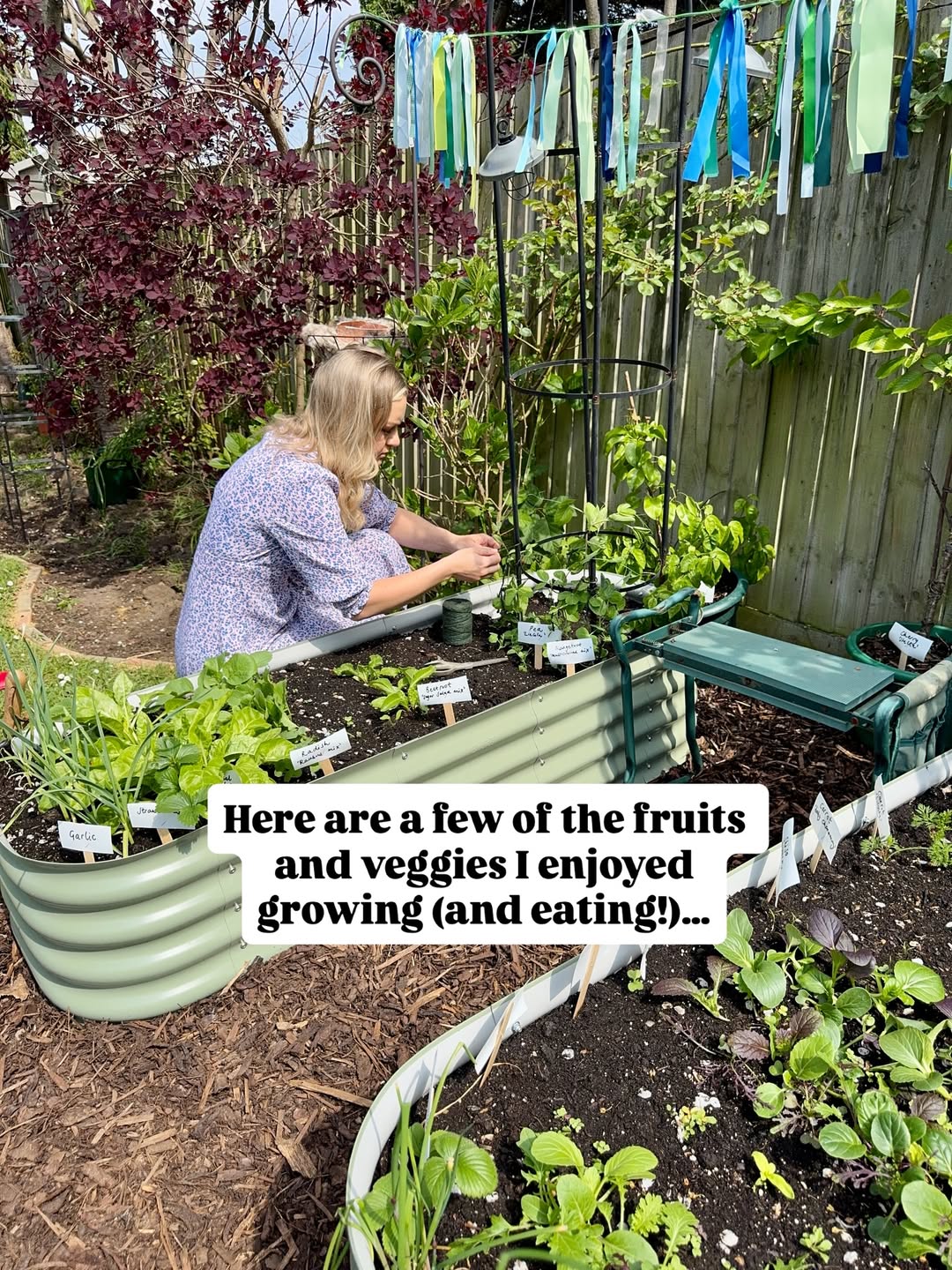
Credit@melslittlegarden
Maintaining Productivity
-
Use nutrient-rich soil blends
-
Apply organic fertilizers regularly
-
Practice companion planting
-
Monitor pests weekly
-
Harvest frequently to encourage regrowth
Elevated Tabletop Gardens
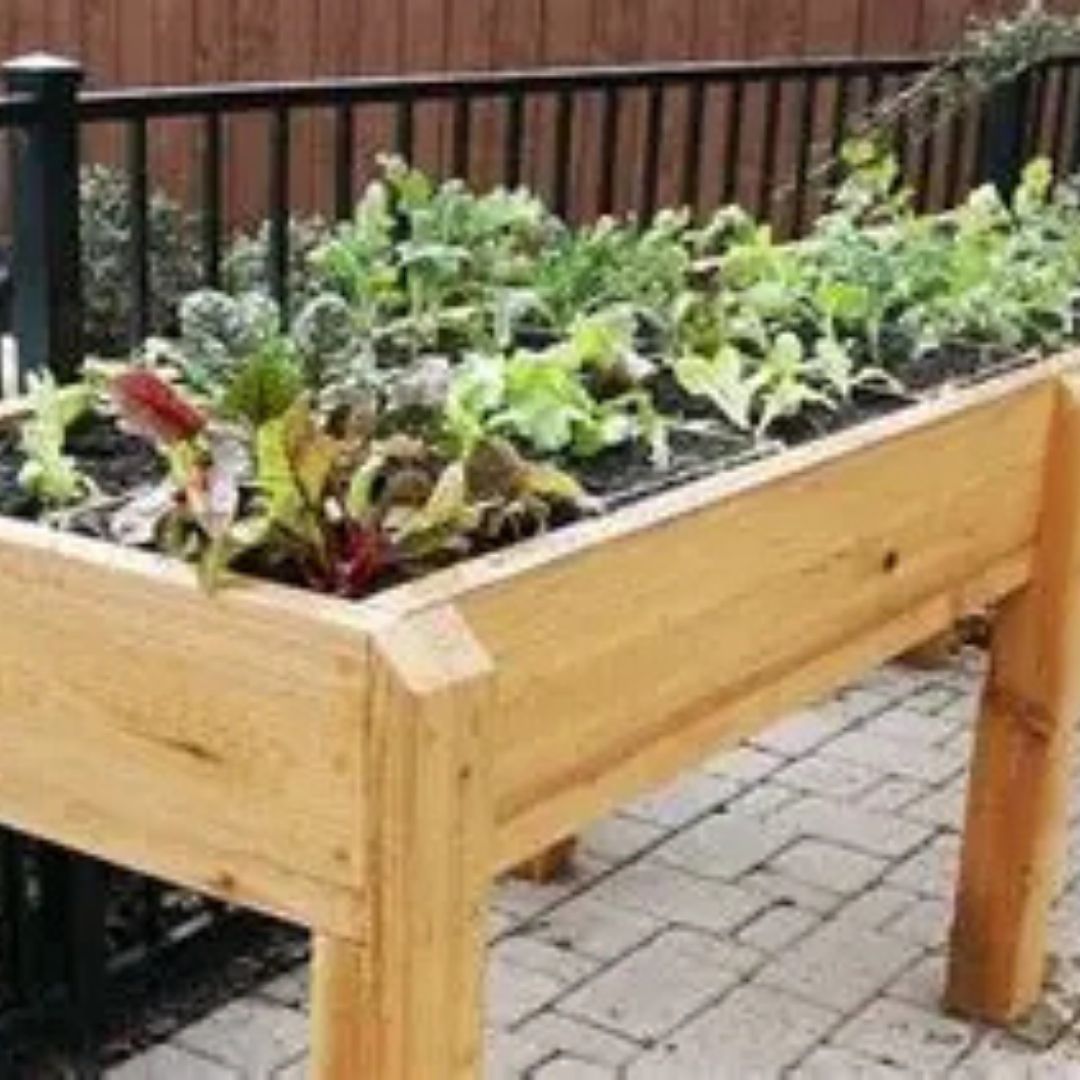
Credit@davesgarden.com
Elevated tabletop gardens are raised on legs, making them ideal for patios, balconies, and gardeners with limited mobility. These beds provide excellent drainage and are easy to manage. They work well for herbs, lettuce, and small vegetables. Their height prevents ground pests and allows gardening without bending or kneeling.
Maintaining Productivity
-
Ensure consistent watering due to fast drainage
-
Use lightweight, fertile soil mixes
-
Replant crops regularly
-
Trim plants to promote new growth
-
Protect from strong winds
Hugelkultur Raised Beds

Credit@livinggreenandfrugally.com
Hugelkultur raised beds are built using logs, branches, and organic matter layered beneath soil. This method improves water retention and soil fertility over time as materials decompose. These beds are eco-friendly and require less irrigation once established. They are excellent for vegetables and fruit-bearing plants.
Maintaining Productivity
-
Add compost annually
-
Monitor settling soil levels
-
Water well during first year
-
Mulch heavily
-
Plant deep-rooted crops
Recycled Material Raised Gardens
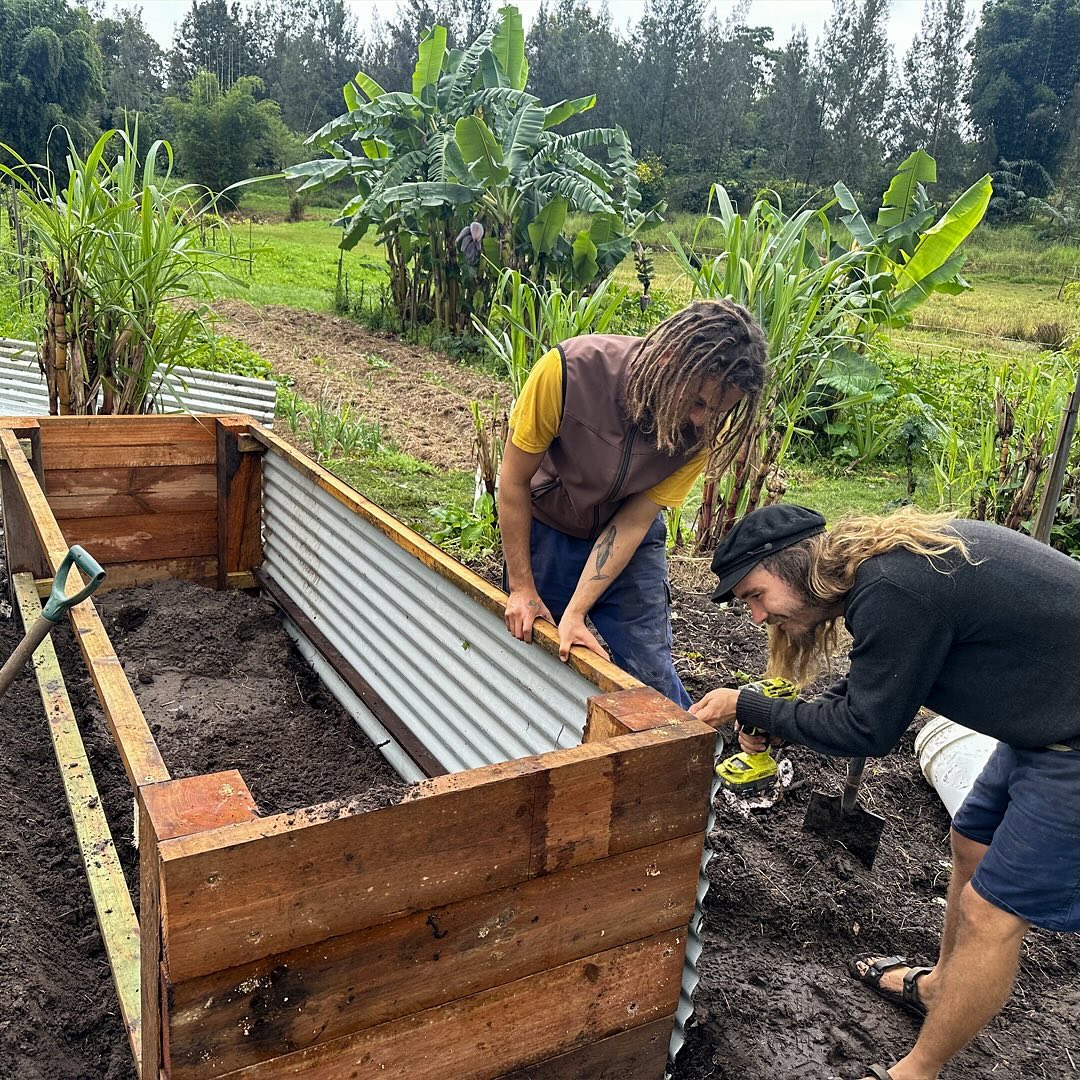
Credit@geofflawtononline
Recycled raised gardens use materials like old pallets, tires, or containers. These beds are budget-friendly and environmentally conscious. They allow creative designs and are suitable for herbs, flowers, and small vegetables. Proper preparation ensures safety and durability.
Maintaining Productivity
-
Use food-safe materials only
-
Refresh soil frequently
-
Monitor drainage carefully
-
Fertilize organically
-
Replace damaged materials promptly
Keyhole Raised Garden Beds
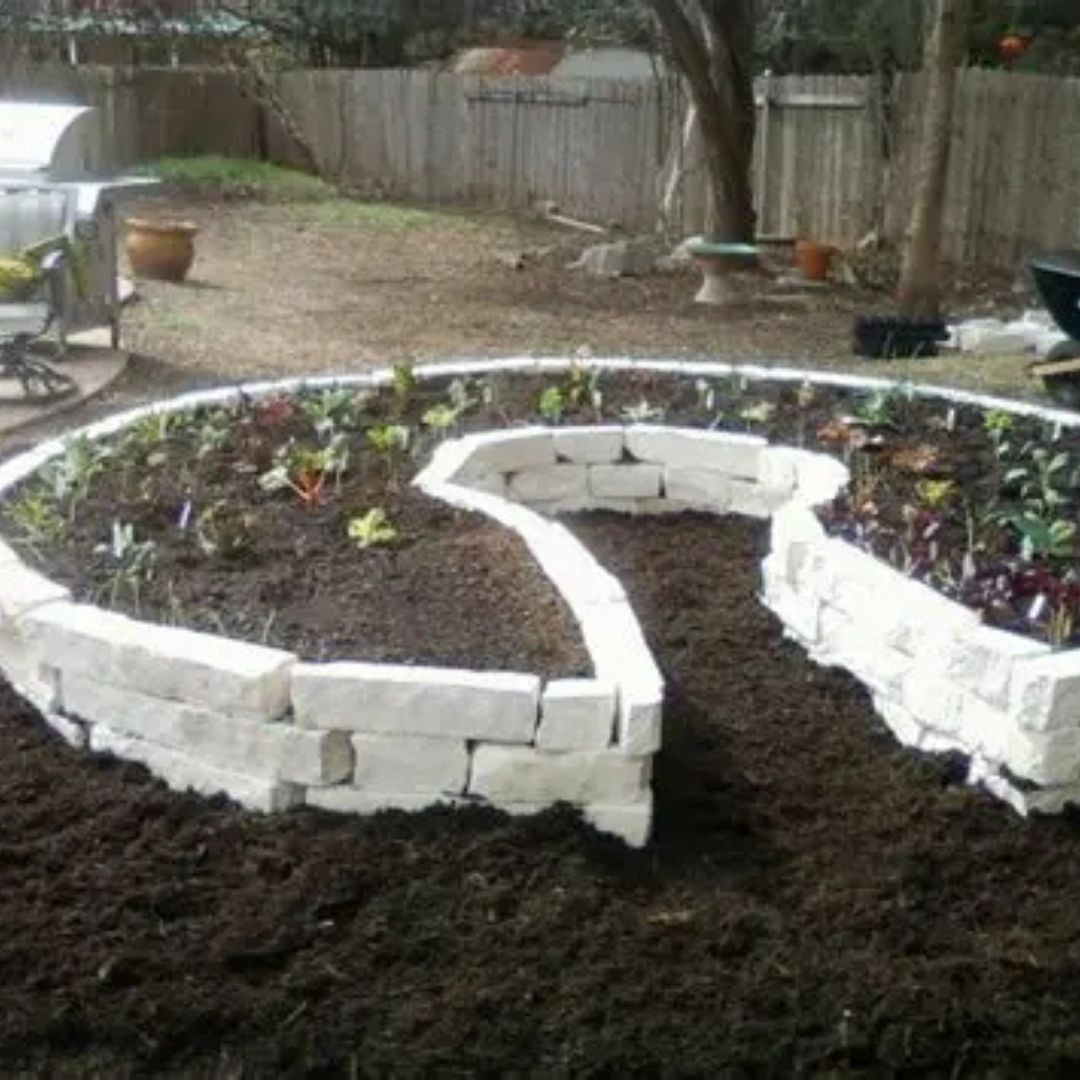
Credit@sharonsable.com
Keyhole gardens are circular raised beds with a compost basket in the center. This design allows nutrients to flow outward, feeding plants naturally. They are highly efficient, water-saving, and ideal for small spaces. Keyhole beds are excellent for mixed planting and year-round productivity.
Maintaining Productivity
-
Add kitchen scraps to compost basket
-
Water compost center regularly
-
Plant densely but strategically
-
Rotate crops
-
Maintain compost balance
Vertical Raised Garden Beds
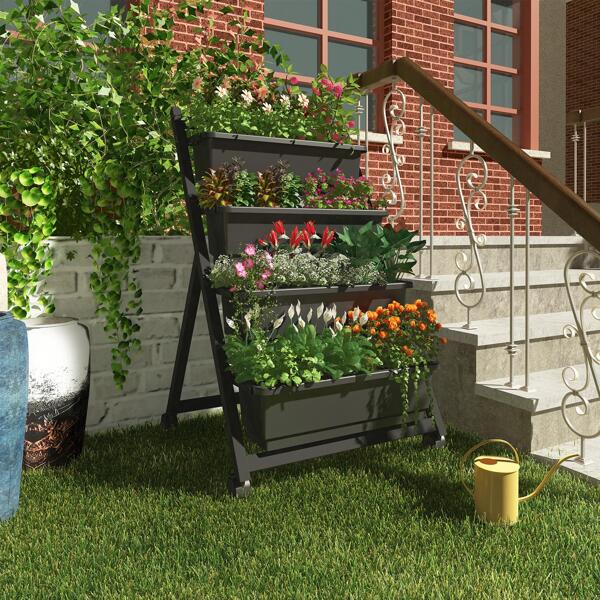
Credit@us.shein.com
Vertical raised gardens maximize growing space by allowing plants to grow upward. They are ideal for small yards and urban settings. These beds work well for climbing vegetables, herbs, and flowers. Vertical gardening improves airflow and reduces disease risks.
Maintaining Productivity
-
Provide strong supports
-
Prune regularly
-
Feed plants with liquid fertilizer
-
Water consistently
-
Rotate crops seasonally