
Small Living Room Ideas – Designing a small living room requires a thoughtful balance between functionality, comfort, and visual appeal. The key is to maximize space without making the room feel cramped. Choosing furniture with clean lines, exposed legs, or multifunctional features—such as sofa beds, storage ottomans, or nesting tables—helps keep the room open and practical. Light, neutral color palettes on walls and large furniture pieces create an airy feel, while strategic pops of color through cushions, rugs, or artwork add personality without overwhelming the space. Proper lighting plays a crucial role; layering ambient, task, and accent lighting can make the room feel larger and more inviting. Mirrors are another powerful design tool, as they reflect light and visually expand the room.

Vertical storage solutions like tall shelves or wall-mounted cabinets make use of height instead of floor space, keeping clutter at bay. Rugs can help define the seating area and add warmth, especially when sized correctly for the room. With intentional layout planning, smart storage, and cohesive décor, a small living room can feel stylish, comfortable, and surprisingly spacious.
Small Living Room Ideas
Multi-Functional Furniture
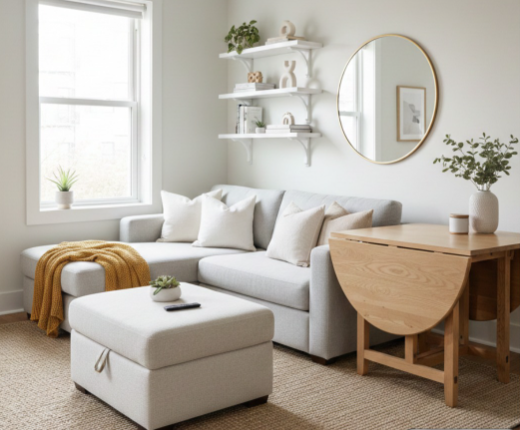
Credit:zarasprimepicks
In a small living room, every piece of furniture should serve more than one purpose. Multi-functional furniture such as sofa beds, storage ottomans, nesting tables, or coffee tables with drawers helps maximize space without adding clutter. A sofa bed allows the room to double as a guest area, while an ottoman with hidden storage can hold blankets, books, or toys. Foldable or extendable tables can be tucked away when not in use. These smart furniture choices reduce overcrowding, maintain a clean look, and allow the living room to remain both stylish and highly practical.
Light Color Palette

Credit:planetofinterior
Using a light color palette can instantly make a small living room feel larger and more open. Shades like white, cream, beige, soft grey, or pastel tones reflect natural and artificial light, creating an airy atmosphere. Light-colored walls paired with matching furniture help blur boundaries, making the room feel continuous rather than boxed in. To avoid a dull appearance, texture can be added through cushions, rugs, or curtains. Accents such as soft wood tones or subtle metallics can enhance warmth while keeping the overall look fresh, balanced, and visually spacious.
Vertical Storage Solutions
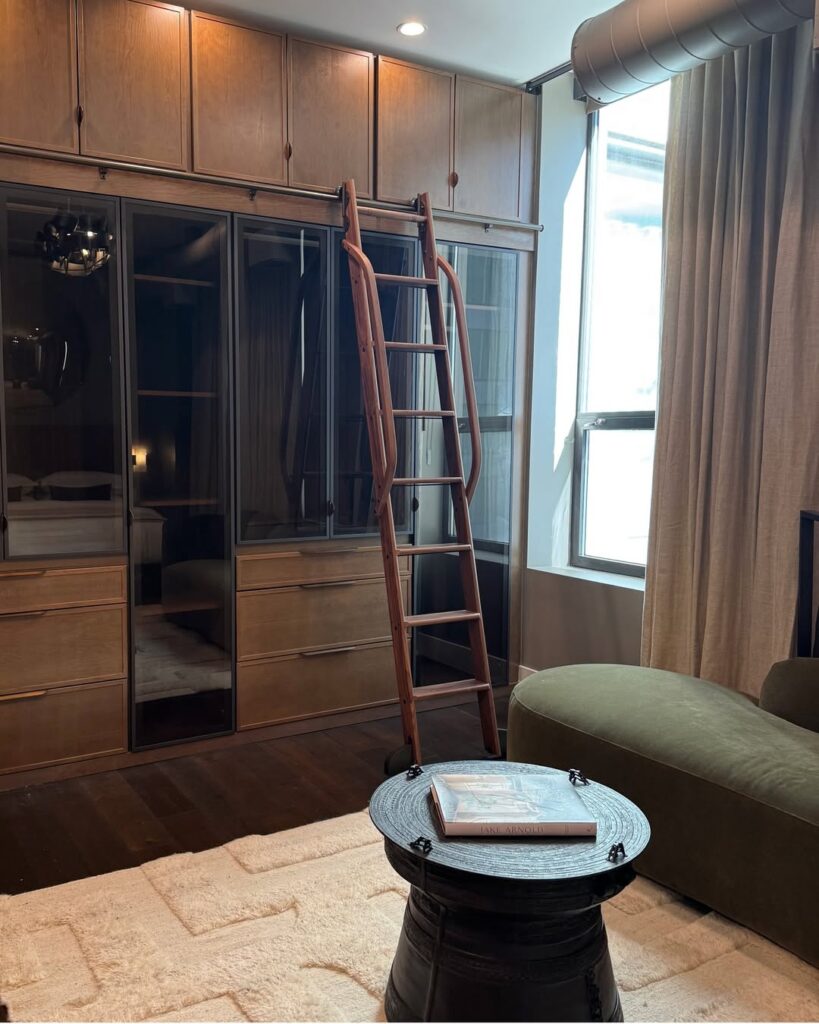
Credit:waypointlivingspaces
When floor space is limited, vertical storage becomes essential in a small living room. Tall shelves, wall-mounted cabinets, and floating units help utilize wall height without crowding the room. Vertical storage keeps items organized while drawing the eye upward, making the room appear taller. Display shelves can hold books, decorative pieces, or indoor plants, adding personality without clutter. Wall-mounted TV units free up floor space and create a clean, modern look. By thinking vertically, you maintain functionality while preserving valuable floor area for movement and comfort.
Mirrors to Create Illusion of Space

Credit:annmdennis
Compact and Scaled Furniture

Credit:akco.design
Choosing furniture that fits the scale of the room is crucial for small living spaces. Oversized sofas and bulky chairs can make the room feel cramped, while compact furniture keeps it balanced and comfortable. Slim-arm sofas, armless chairs, and low-profile seating work particularly well. Furniture with exposed legs creates a sense of openness by allowing light to flow underneath. Opting for fewer but well-proportioned pieces ensures the room feels organized and functional. Scaled furniture enhances movement, maintains visual harmony, and prevents overcrowding in small living rooms.
Smart Layout Planning
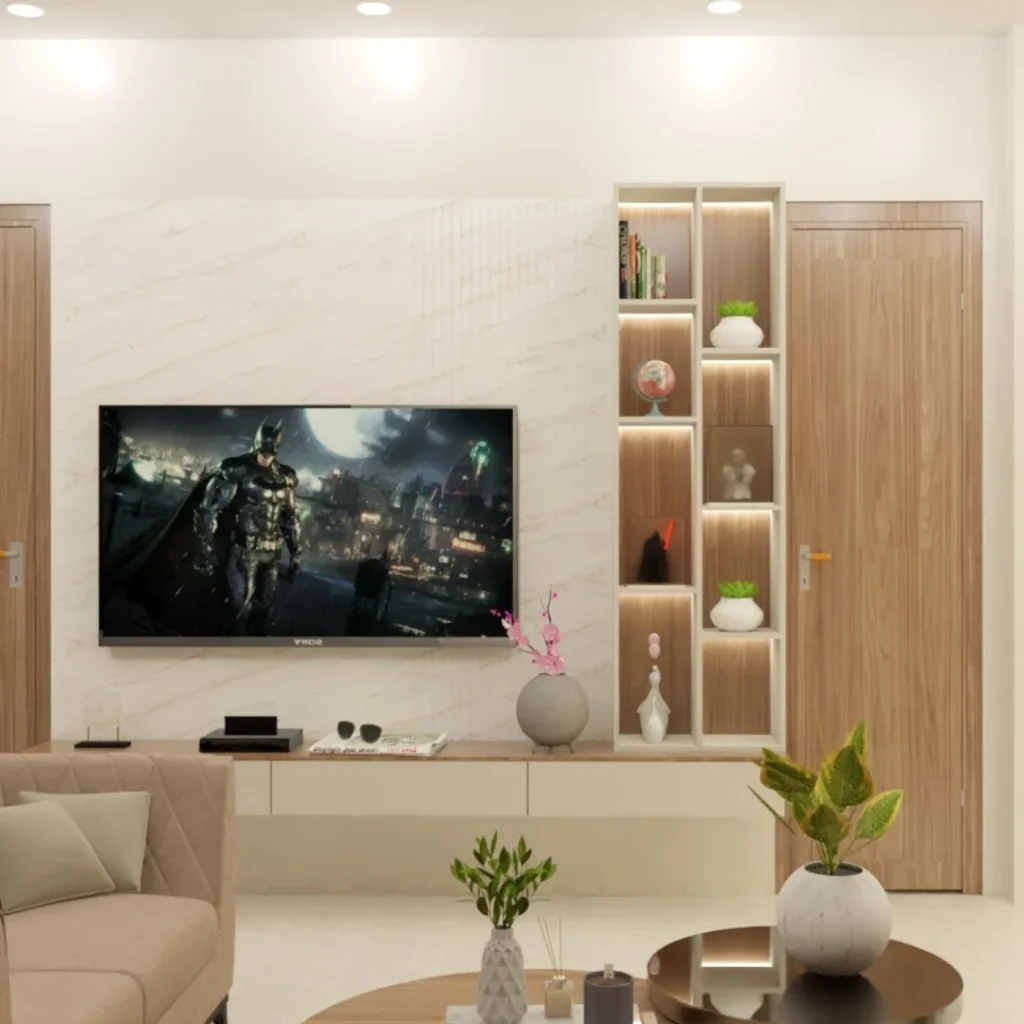
Credit:livinfra
A thoughtful layout can transform even the smallest living room into a functional space. Start by identifying the main focal point, such as a TV, window, or artwork, and arrange furniture around it. Avoid pushing all furniture against walls; instead, create cozy groupings to define areas. Using rugs can help visually separate spaces. Leave clear walkways to maintain flow and prevent the room from feeling blocked. A well-planned layout ensures efficient use of space, improves comfort, and enhances both functionality and aesthetics in a compact living room.
Built-In Furniture and Storage

Credit:briahammelinteriors
Minimalist Décor Approach
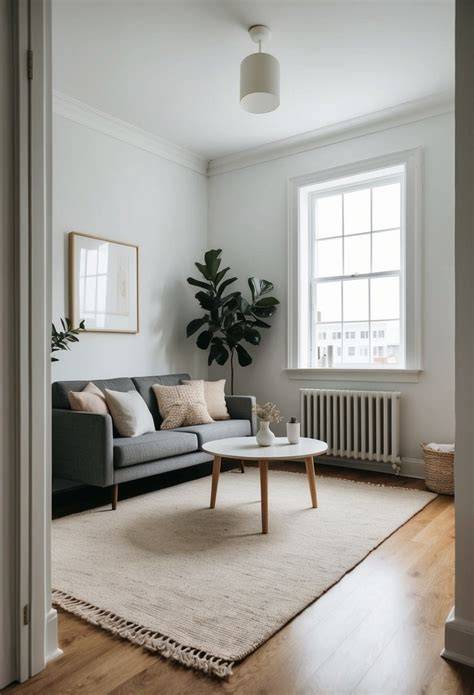
Credit: apartmentnotes.com
A minimalist décor style works beautifully in small living rooms by focusing on simplicity and purpose. Limiting decorative items prevents visual clutter and creates a calm, open atmosphere. Choose a few statement pieces, such as artwork or cushions, instead of many small accessories. Clean lines, neutral colors, and uncluttered surfaces help the room feel organized and airy. Storage solutions should keep everyday items out of sight. A minimalist approach emphasizes quality over quantity, ensuring the living room feels stylish, functional, and comfortable without being overwhelming.
Strategic Lighting Design

Credit:bauhaus.spaces
Good lighting can dramatically change the perception of a small living room. Instead of relying on a single overhead light, use layered lighting such as floor lamps, wall sconces, and table lamps. Wall-mounted lights save floor space while adding depth and warmth. Natural light should be maximized by using sheer curtains or blinds. Proper lighting eliminates dark corners, making the room appear larger and more inviting. Thoughtful lighting placement enhances functionality, highlights design features, and creates a cozy yet spacious feel in compact living areas.
Use of Glass and Reflective Materials

Credit:saint_gobain_in
Glass and reflective materials help reduce visual heaviness in small living rooms. Glass coffee tables, acrylic chairs, or mirrored surfaces allow light to pass through, creating an open and uncluttered appearance. These materials make furniture feel lighter compared to solid wood or metal pieces. Reflective finishes on cabinets or décor subtly bounce light around the room. When used sparingly, glass and reflective elements add modern elegance while maintaining a sense of spaciousness, making them ideal choices for compact living room designs.