
Stair handrail ideas range from sleek modern designs to ornate traditional styles, each transforming a staircase into a functional focal point. Contemporary spaces often favour minimalist metal rails—such as matte black steel, brushed aluminum, or cable railing—which create clean lines and a sense of openness. Wooden handrails remain timeless, and when paired with wrought iron balusters, they offer a warm, classic aesthetic. Floating handrails with LED strip lighting installed underneath add a futuristic touch while improving nighttime visibility.

For rustic or farmhouse-style homes, reclaimed timber or natural branch-style rails add organic charm. Glass-panel rails framed with hardwood or metal bring both safety and elegance to modern interiors. Whether curved or straight, bold or understated, the right handrail enhances both the style and safety of the staircase.
Stair Handrail Ideas
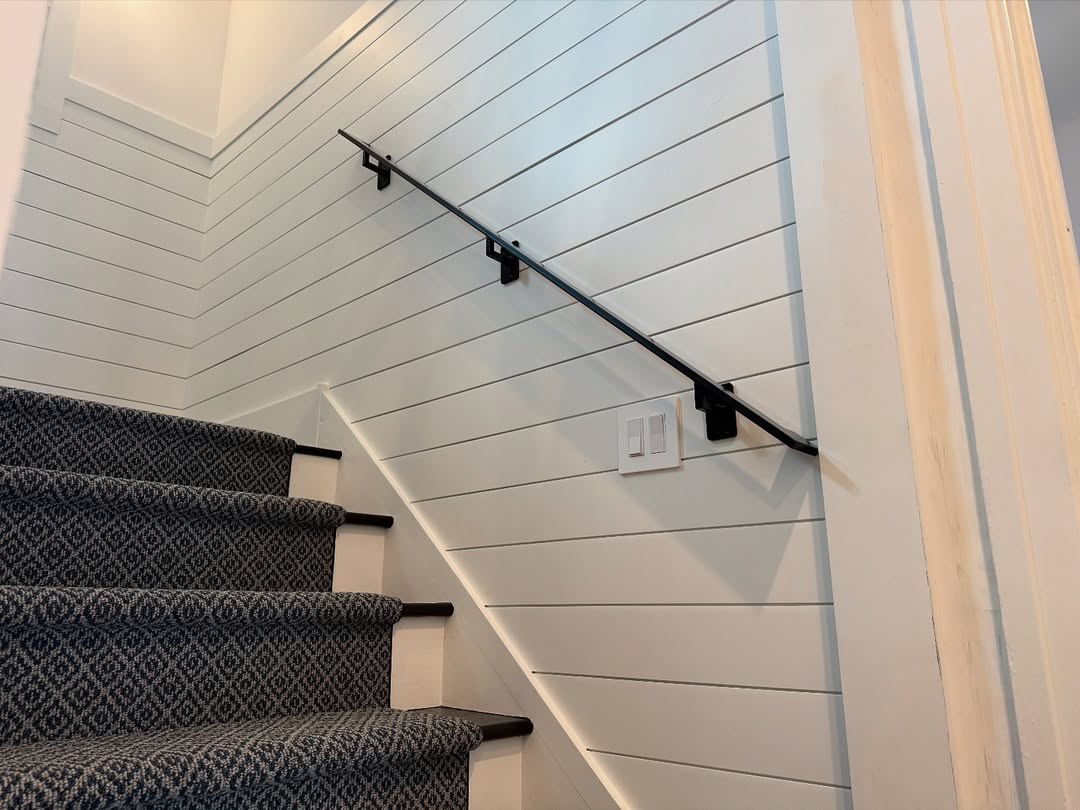
Minimalist Metal Handrail
Credit@bestchicagorailings
A minimalist metal handrail uses clean, simple lines to create a sleek and modern aesthetic. Typically crafted from powder-coated steel or matte black aluminum, it pairs beautifully with contemporary interiors. Its unobtrusive profile blends into the wall, making it ideal for narrow staircases. LED strip lighting can be incorporated beneath the rail for a floating, illuminated look. This style requires little maintenance and offers strong durability—great for high-traffic homes. Its understated design highlights other architectural features like open risers or textured walls, making the entire staircase feel refined and intentionally designed.
Wooden Handrail With Warm Natural Finish

Credit@etsy
A wooden handrail adds warmth and timeless character to any staircase. Using solid oak, walnut, maple, or ash provides both strength and aesthetic richness. The grain patterns and natural tones elevate the space, whether paired with white spindles, dark metal balusters, or frameless glass panels. This handrail style suits traditional, rustic, or Scandinavian interiors, depending on the chosen finish—matte for contemporary calm or glossy for a classic feel. Rounded or ergonomic shaping improves comfort and grip. With proper sealing, wooden rails remain durable and develop a beautiful patina over time, making them both functional and visually appealing.
Glass Panel Railing With Floating Handrail

Credit@sterlingglasscreation
Industrial Pipe Handrail

Credit@industrialmaestro.com
An industrial pipe handrail combines rugged materials with a raw, urban aesthetic. Typically constructed from black iron or galvanized steel plumbing pipes, it brings a bold, mechanical feel to the staircase. This design pairs beautifully with exposed brick, concrete floors, and reclaimed wood steps. It’s popular in lofts, modern farmhouses, and converted industrial spaces. The installation is straightforward, using standard pipe fittings, elbows, and flanges. Its sturdy appearance delivers personality and an authentic industrial vibe. While utilitarian, it offers excellent durability and can be customized in length, color, and texture for a striking handcrafted look.
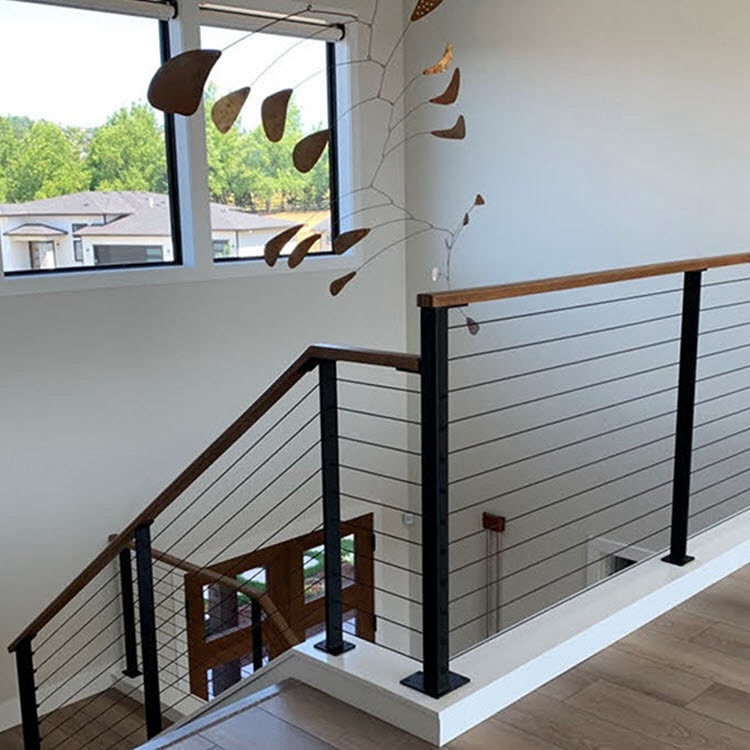
Cable Railing System With Sleek Handrail
Credit@keukastudios
Cable railing systems offer an elegant blend of modern design and unobstructed visibility. Stainless-steel horizontal or vertical cables replace bulky balusters, creating a crisp, contemporary effect. The handrail—often wood or metal—sits atop clean, narrow posts that maintain structural integrity while maximizing openness. This style is ideal for homes prioritizing light and spaciousness. It also suits coastal, Scandinavian, and industrial designs due to its clean geometry. Cable railings are strong, corrosion-resistant, and low-maintenance. The minimalist look enhances floating staircases or hardwood treads, providing both style and safety without compromising the visual flow of the space.
LED-Lit Handrail for Modern Ambience

Credit@mayneline_electrical
An LED-lit handrail incorporates soft, integrated lighting to elevate both functionality and style. The LEDs are typically installed beneath or behind the handrail, casting a subtle glow along the wall or steps. This provides safety at night while creating a futuristic ambiance. Suitable for metal, wood, or acrylic rails, this design works beautifully in modern homes, luxury interiors, or staircases with minimalist aesthetics. The warm or cool lighting temperature can set the mood of the entire space. This idea merges architectural lighting with structural elements, making the staircase not just a passageway but a visual feature.
Wrought Iron Handrail With Artistic Details

Credit@artesanoironworks
Wrought iron handrails bring craftsmanship and elegance, making a staircase feel grand and ornamental. Intricate scrolls, curves, and custom motifs lend a timeless, classical charm. They work exceptionally well in Mediterranean, Victorian, French-inspired, or formal interiors. While traditionally crafted in dark iron, modern variations incorporate brass, bronze, or mixed finishes. The handrail can be wood or metal, complementing detailed balusters or elaborate panels. Wrought iron offers longevity, strength, and artistic flair. Its substantial presence transforms the staircase into a centerpiece, adding historic richness and sophistication to any home.
Wall-Mounted Flat Panel Handrail

Credit@clearstonebuilders
A wall-mounted flat panel handrail offers a contemporary, unconventional twist on traditional round or square rails. Made from wide planks of wood, metal, or acrylic, this handrail resembles a sleek horizontal bar integrated seamlessly into the wall. It provides a wide grip surface while maintaining an ultra-modern appearance. Recessed LED lighting or carved grooves can add depth and personality. This design is ideal for minimalist interiors or staircases with clean architectural lines. The flat profile makes it visually striking while remaining functional and safe—perfect for homeowners who want a design-forward, unique feature.
Rustic Reclaimed Wood Handrail

Credit@foreverbarnwood
A reclaimed wood handrail introduces natural character, warmth, and sustainability. Crafted from salvaged barn wood, old beams, or repurposed planks, each piece carries unique weathering, knots, and texture. This brings a charming rustic feel to the staircase, perfect for farmhouse, cabin, boho, or eclectic interiors. Paired with wrought iron, metal brackets, or simple wooden posts, it becomes a focal design element. The handrail feels organic and grounded, adding authenticity and a handmade touch. Its imperfections make it uniquely beautiful, and its eco-friendly nature appeals to homeowners seeking both style and environmental consciousness.
Sculptural Handrail With Curved Organic Form

Credit@risingstairways
A sculptural handrail transforms the staircase into an artistic statement. Inspired by flowing lines, waves, and organic shapes, it may be carved from wood, molded from metal, or crafted from composite materials. Its curves guide the eye upward, adding movement and dimension to the space. This style is ideal for contemporary, artistic, or luxury homes where the staircase serves as a central feature. The handcrafted feel brings sophistication and uniqueness, making the handrail both functional and decorative. With proper finishing, it becomes a tangible piece of art that enhances the home’s architectural identity.