
Talent show ideas can be wonderfully diverse, making room for both traditional and imaginative performances that highlight each participant’s unique skills. Classic acts include singing, dancing, and playing musical instruments, where performers showcase vocal ability, choreography, or musical mastery. More theatrical options such as dramatic monologues, comedy skits, or magic tricks bring entertainment and personality to the stage, often engaging the audience through humor or suspense. For participants with special hobbies, acts like gymnastics, martial arts demonstrations, or speed painting allow them to display physical skill or creative flair in an impressive, visually captivating way.
Group performances—like themed dances, lip-sync battles, or collaborative musical numbers—add excitement and energy, while unique talents such as puppeteering, spoken-word poetry, beatboxing, or creative storytelling offer fresh and unexpected experiences. Modern talent shows also embrace digital creativity, where participants use multimedia presentations, animation, or live digital art as part of their act. Altogether, a good talent show features a mix of abilities and artistic expression, celebrating individuality and giving everyone a moment to shine.
Talent Show Ideas
Musical Mashup Performance
Credit@the_romeo_brothers
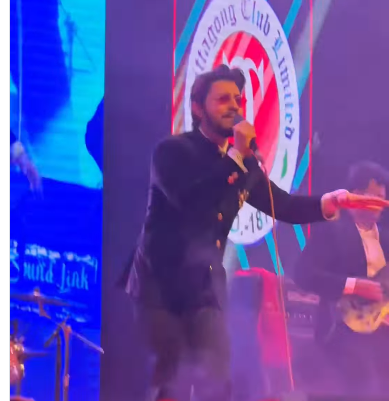
Contestants choose two or three songs from different genres and blend them into one seamless performance. They can rearrange melodies, change tempos, and incorporate harmonies to create a fresh, surprising version of familiar hits. This idea showcases not only vocal ability but also creativity and musical arranging skills. Performers may accompany themselves with an instrument or collaborate with friends. The element of surprise—switching from pop to rap to rock—keeps the audience excited and engaged. Judges can evaluate transitions, originality, and overall entertainment value, making this a dynamic and memorable talent show act.
Storytelling With Sound Effects

Participants perform an original short story while creating all sound effects live using their voice, simple props, or digital pads. This act highlights vocal versatility, timing, and creativity. Whether it’s footsteps, wind blowing, or robot beeps, the storyteller brings scenes to life in a cinematic way. They can involve audience members by letting them choose a genre—mystery, sci-fi, fantasy, comedy—and improvise around it. The combination of narrative skill and imaginative noises makes the performance both funny and captivating. It’s ideal for individuals who enjoy drama, improv, or voice acting and want a unique stage moment.
Speed Painting Reveal
Credit@christianitymalaysia.com
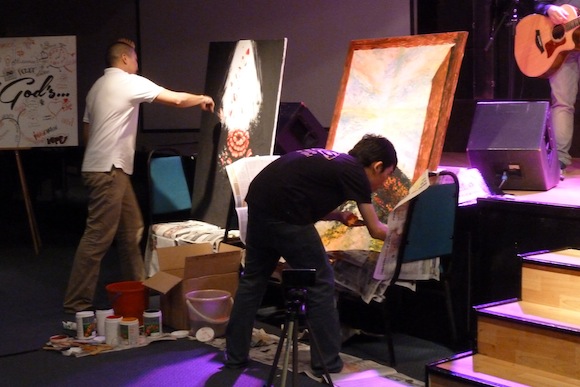
A performer paints a large canvas in front of the audience within three to five minutes. The catch: the artwork doesn’t make sense until the final reveal—either turning the canvas upside down or adding the last strokes that complete the image. The suspense keeps the crowd guessing, and the final moment usually triggers huge applause. This idea works great with dramatic music to build tension. Artists can paint celebrities, animals, or abstract faces. It’s visually impressive and perfect for students who are shy about speaking but want to showcase a jaw-dropping visual art talent onstage.
Dance Through the Eras Medley
Credit@UltimateBallroomTN
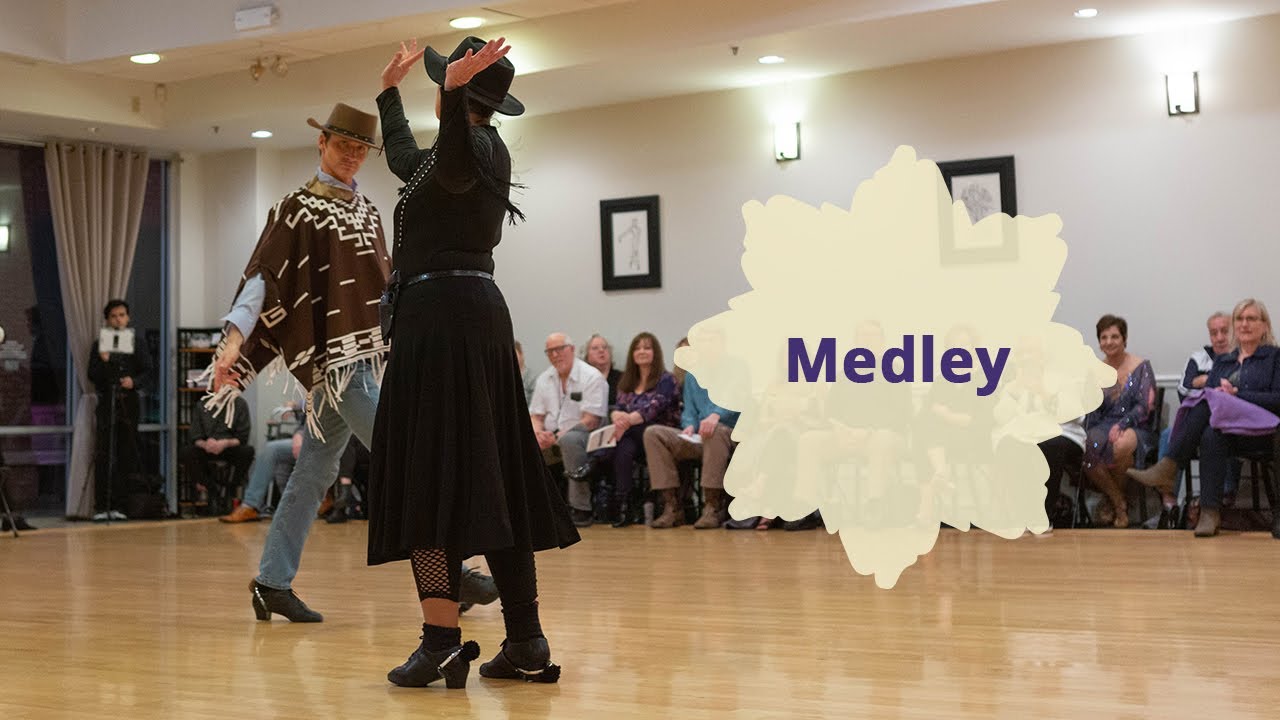
The performer or group dances through iconic moves from different decades—such as the Twist, Moonwalk, Macarena, Harlem Shake, and more. Each section lasts 10–15 seconds and matches the signature music of that era. The fast-paced transitions keep it exciting and nostalgic. Costumes can change using quick accessories like hats, jackets, or sunglasses to match each time period. This act is energetic, funny, and crowd-pleasing, perfect for dance lovers or groups who enjoy performing together. Judges can score based on synchronization, creativity, and entertainment value, making this a high-impact talent show entry.
Comedy Skit With Audience Prompts
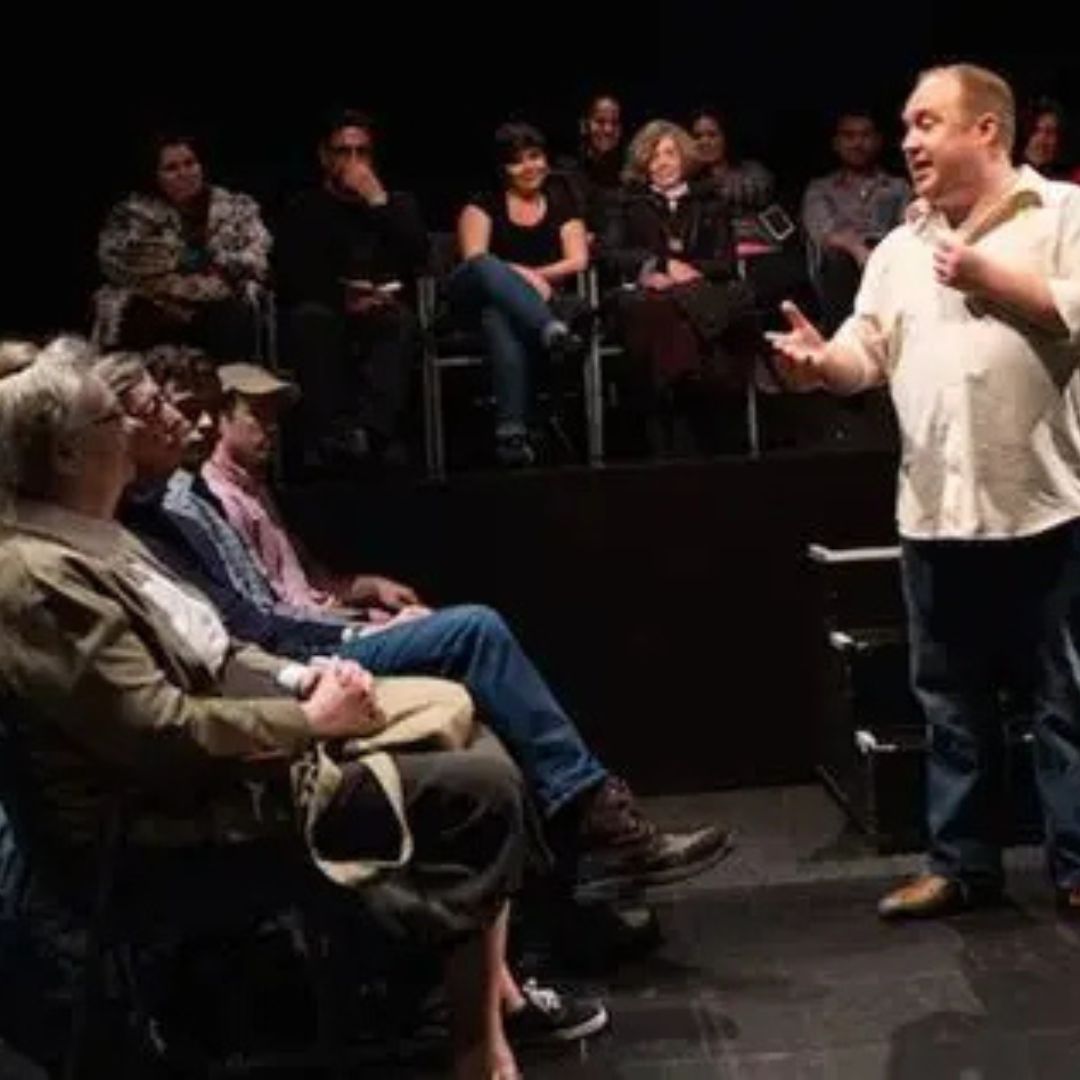
Credit@ar.inspiredpencil.com
Performers prepare a loose storyline but rely heavily on improvisation using prompts suggested by the audience at the start—objects, emotions, random phrases. The result is a hilarious, unpredictable skit where performers must think quickly and cooperate well. This idea highlights comedic timing, teamwork, and creativity. It also prevents the act from feeling rehearsed or stiff. Props can be minimal, and costumes can add playful exaggeration. It’s ideal for performers who love theater or comedy and want to create something that feels interactive, spontaneous, and memorable for those watching.
Instrument Swap Challenge
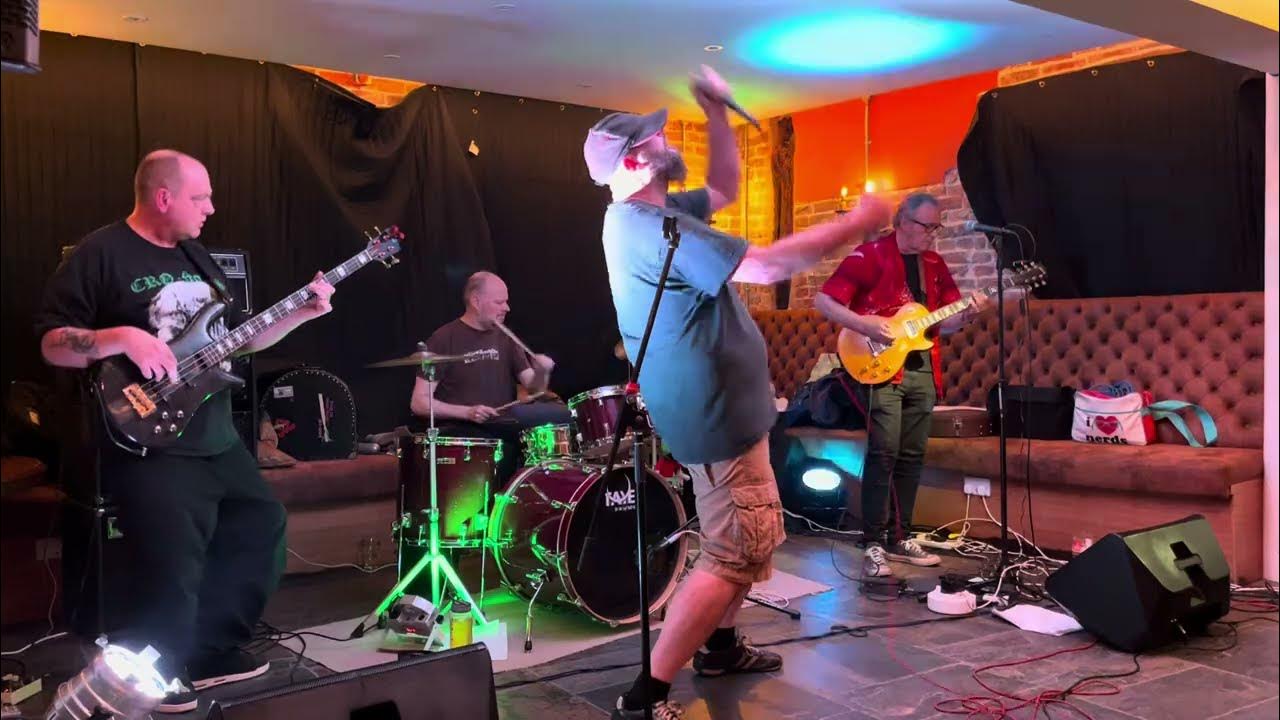
Credit@Nigel L
A group of performers rotates between instruments mid-song—guitarist switches to drums, drummer jumps to keyboard, vocalist tries bass, and so on. The fun twist is watching how confidently (or chaotically) they adapt. They can rehearse transitions so everything flows smoothly or intentionally make it comedic. This act showcases musical versatility, teamwork, and the ability to adapt. It’s engaging to see people step out of their comfort zones. The performance works great with a high-energy song that encourages movement and excitement. Judges can rate versatility, creativity, and performance confidence across different roles.
Magic Act With a Storyline
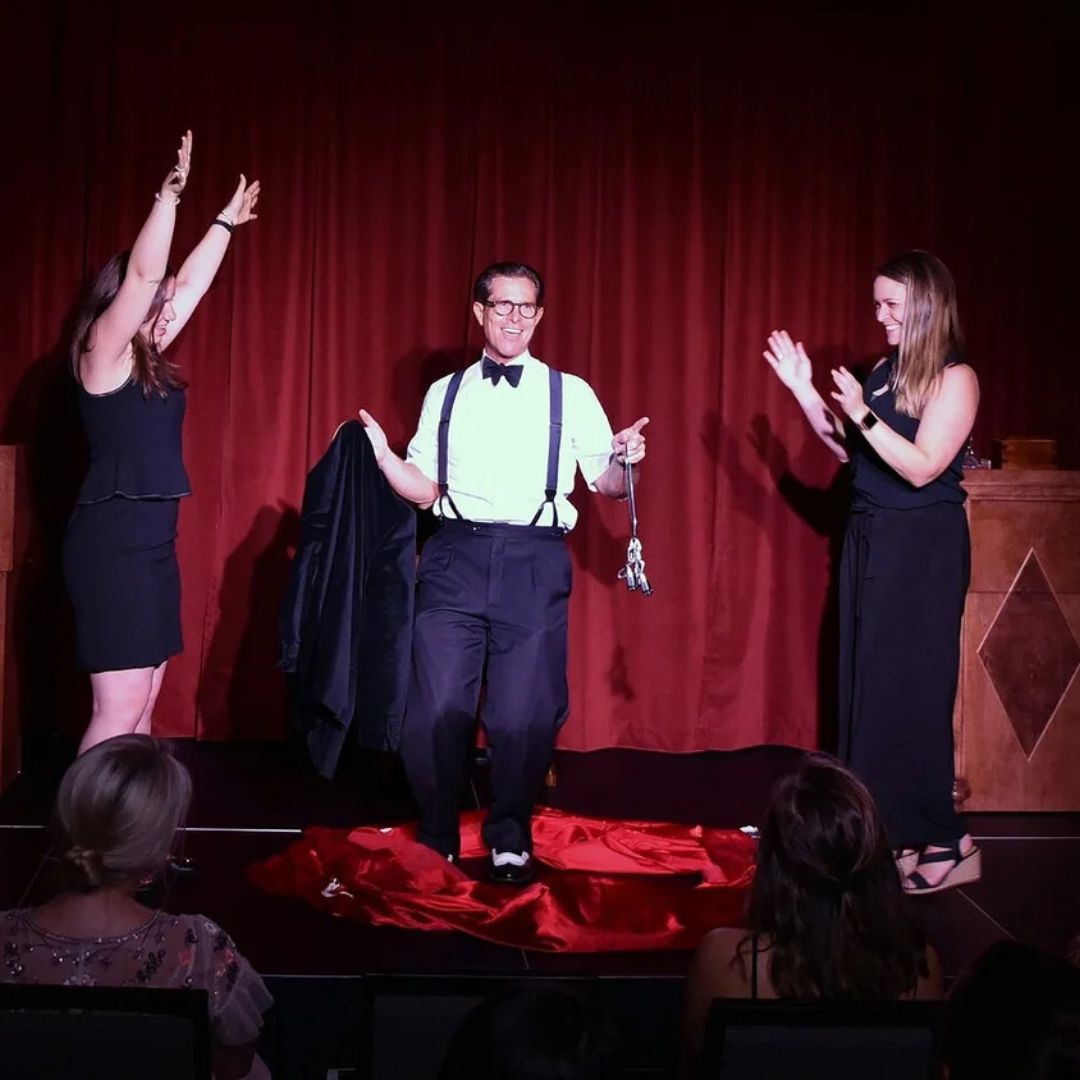
Credit@atlantamagictheater.com
Instead of performing random tricks, the magician builds a short narrative—like exploring a lost treasure or solving a mystery—where each trick represents a plot point. They can use cards, scarves, coins, or illusion props. Adding a storyline makes the routine more immersive and helps the audience connect emotionally, not just visually. The performer can include humor, suspense, or dramatic flair. Clear pacing, confident presentation, and expressive body language make the act feel polished. This is great for someone who enjoys drama and magic and wants to elevate a traditional magic act into a theatrical experience.
Cultural Fusion Performance
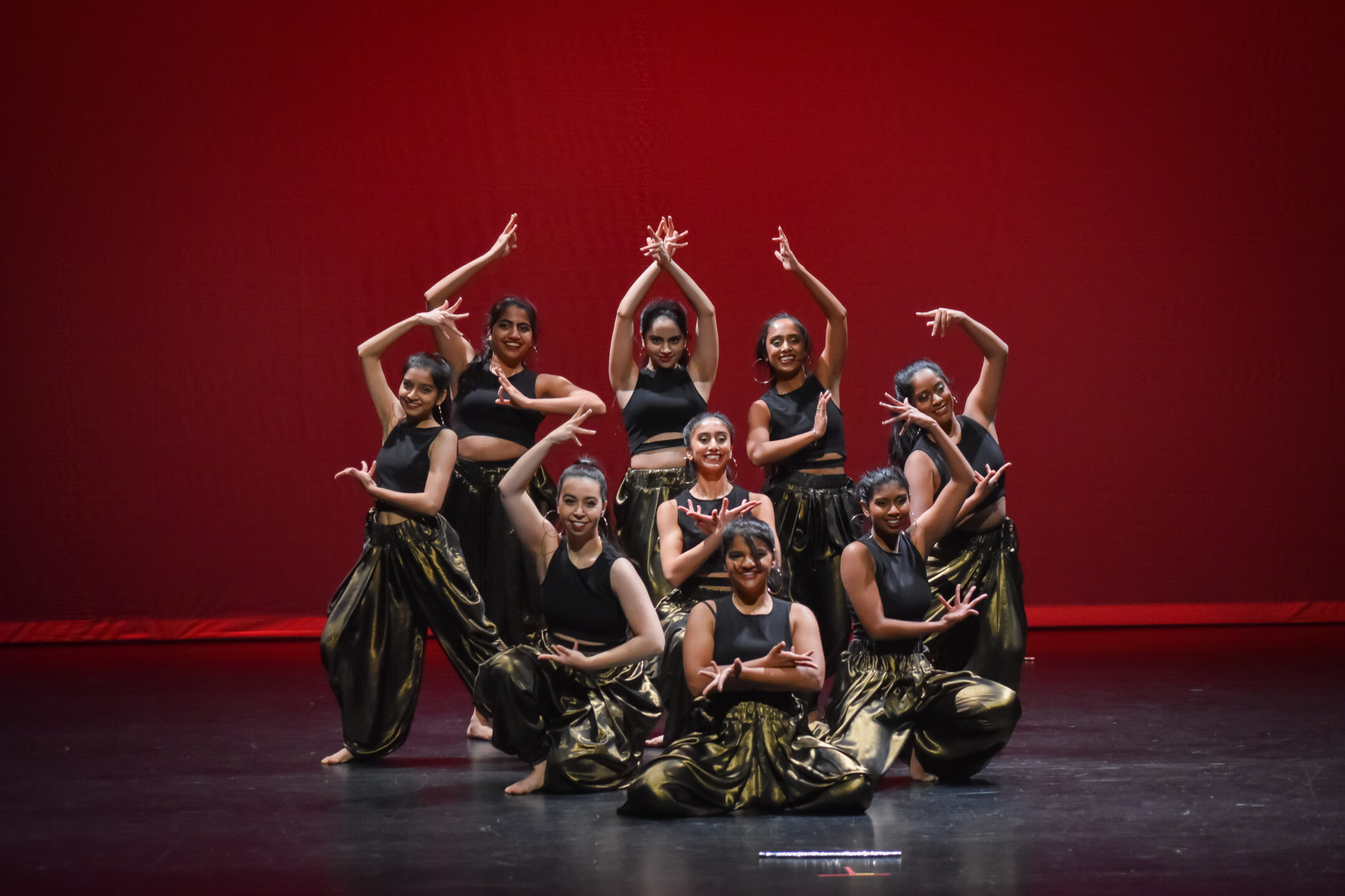
Credit@thebrownandwhite.com
The performer combines two cultural art forms—such as mixing traditional dance with hip-hop, or blending folk instruments with modern beats. This act is meaningful, educational, and visually impressive. The performer can explain the significance of each element before starting or incorporate visual cues through costume and choreography. It celebrates diversity and creativity while offering something unique the audience likely hasn’t seen before. The fusion style also allows for personalized storytelling, making the performance not just about talent but identity and artistic expression. Judges often appreciate the depth and originality in this type of act.
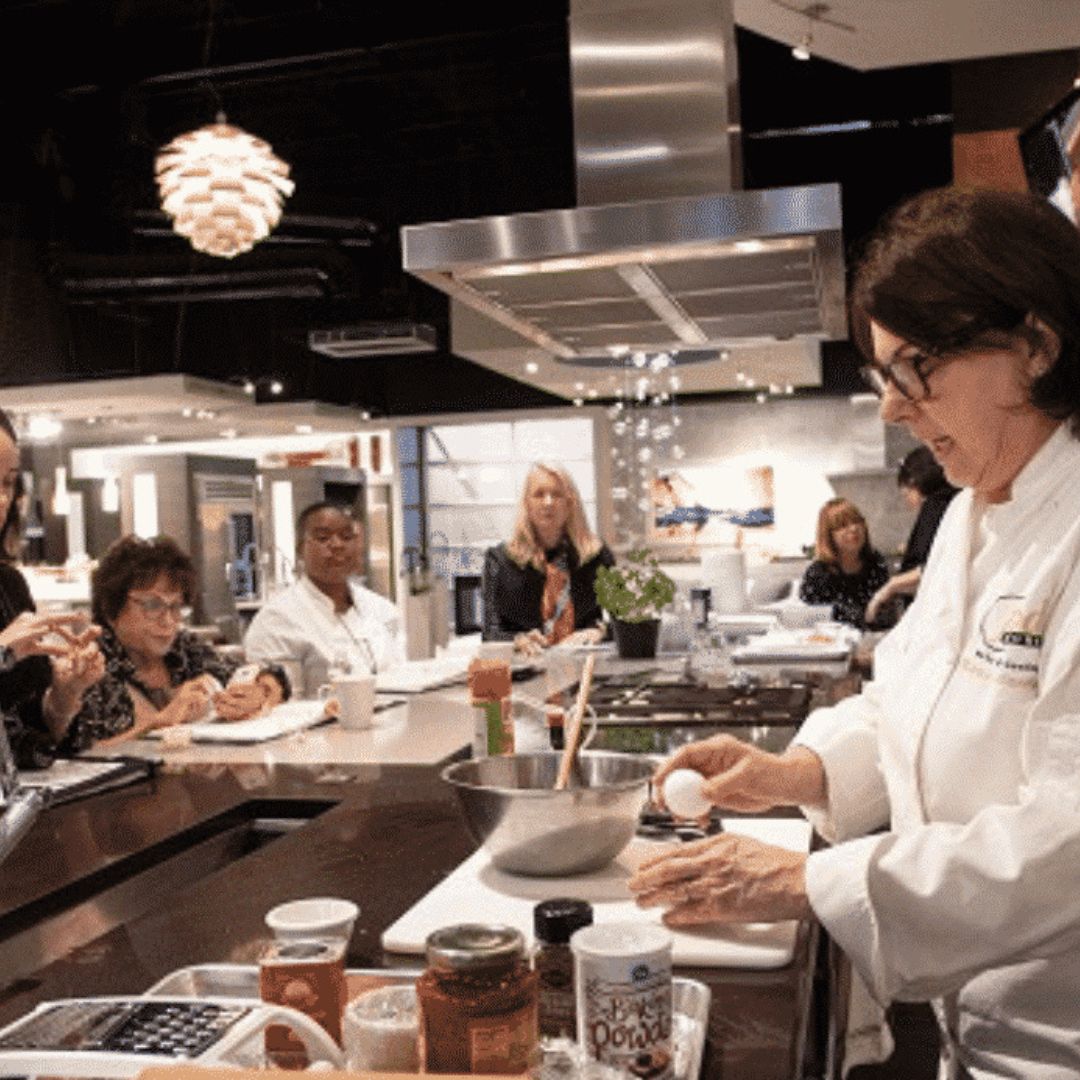
Live Cooking Demonstration (With Humor)
Credit@ilovepecans.org
A contestant prepares a simple dish or dessert live in under five minutes while entertaining the audience with jokes, exaggerated chef commentary, or playful mishaps. They could make microwave mug cakes, no-bake treats, or artistic food plating. The performance blends culinary skill with comedy and showmanship. Visual elements—like swirling sauces or stacking ingredients—keep the audience engaged. They can ask volunteers to taste the final product or judge the presentation. This idea suits someone who enjoys cooking, performing, and making people laugh. It’s different, fun, and guaranteed to stand out in a traditional talent show lineup.
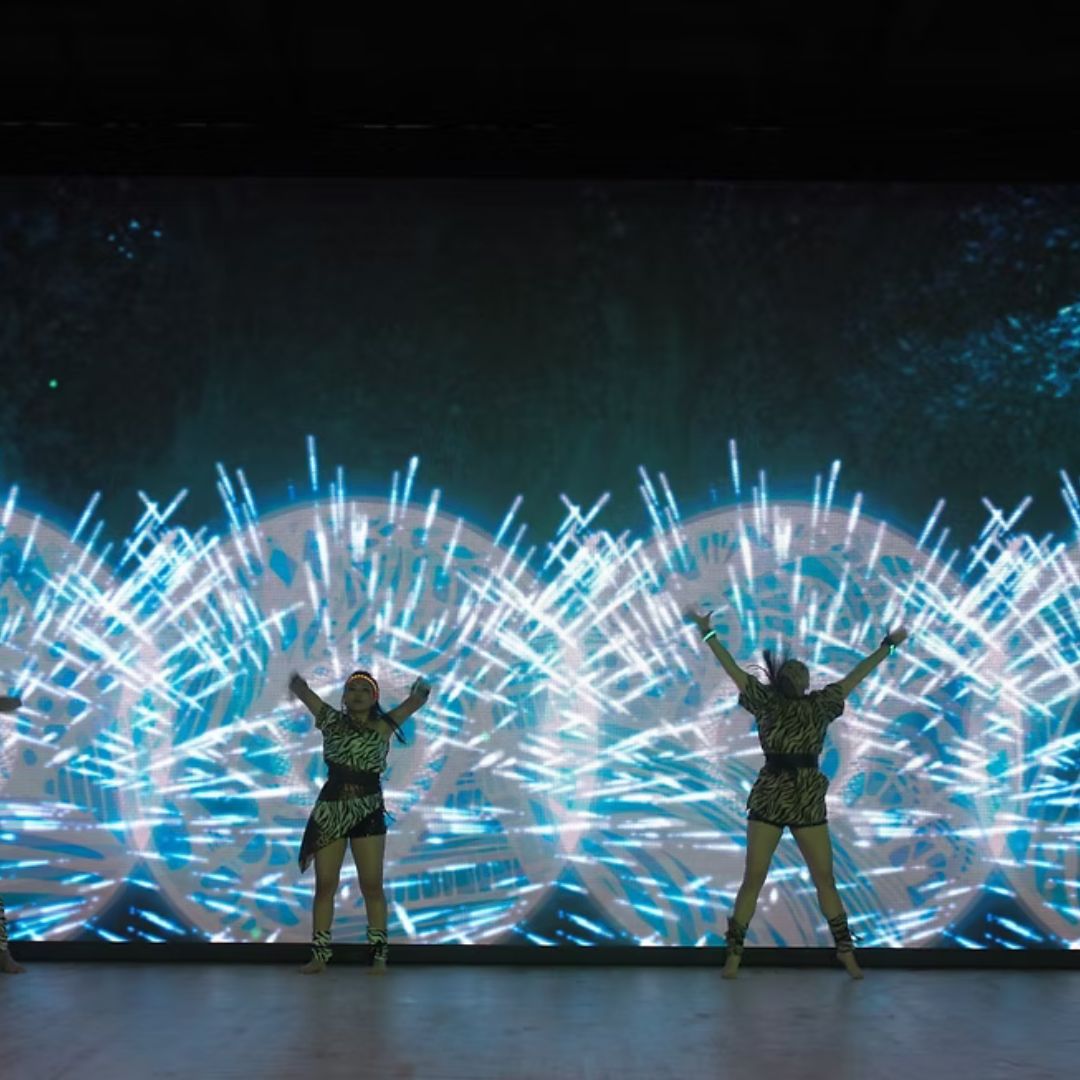
Tech-Enhanced Light Performance
Credit@jnrentertainment.com.sg
Performers use glow sticks, LED poi, or light-up gloves in a darkened room to create mesmerizing patterns synchronized with music. Choreography involves smooth movements, spins, and trails of light forming shapes and illusions. This type of act is hypnotic and visually stunning, especially when combined with electronic or instrumental background music. The performer can wear black clothing to emphasize the glowing effects. It’s perfect for someone who enjoys dance, flow arts, or technology. With practice, even beginners can create a polished light show that feels magical and memorable onstage.