
Sketchbook ideas encourage creativity, experimentation, and personal artistic growth, making a sketchbook a private space for visual exploration. Artists often use sketchbooks to practice techniques, record ideas, and develop concepts without the pressure of perfection. Popular sketchbook ideas include observational drawings of everyday objects, people, and surroundings, which help improve accuracy and attention to detail. Creative prompts such as emotions, dreams, or abstract themes allow artists to express feelings and imagination freely. Mixed-media approaches, combining pencil, ink, watercolor, collage, or digital elements, add texture and depth to sketchbook pages.
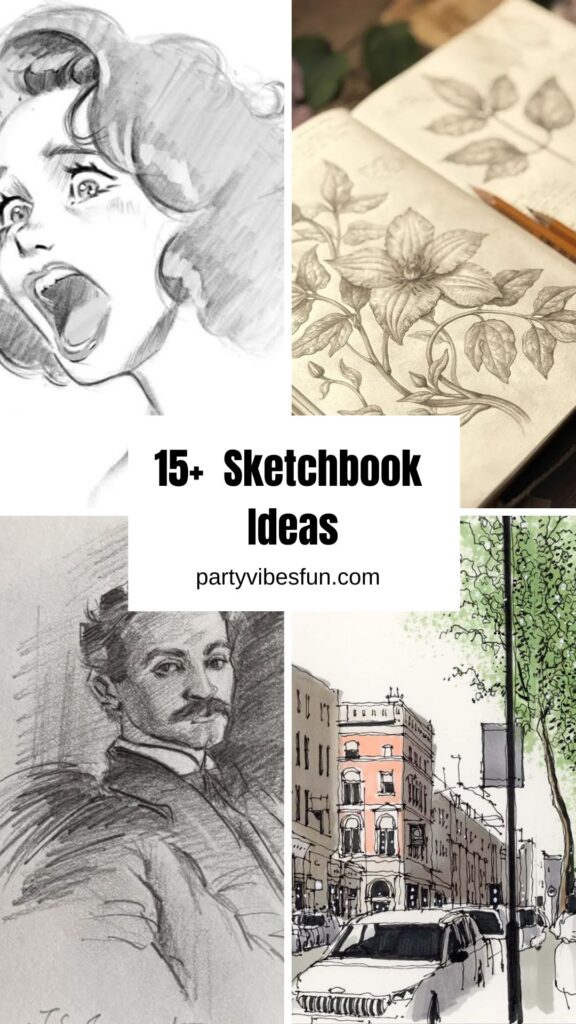
Many artists also include written notes, quotes, color palettes, or thumbnails alongside drawings to document inspiration and thought processes. Themed sketchbooks, such as nature studies, character designs, or architectural sketches, help maintain focus and consistency. Regularly experimenting with styles, perspectives, and techniques builds confidence and skill over time. Ultimately, sketchbook ideas transform blank pages into a visual diary that reflects artistic evolution and individuality.
Sketchbook Ideas
Everyday Objects Still Life
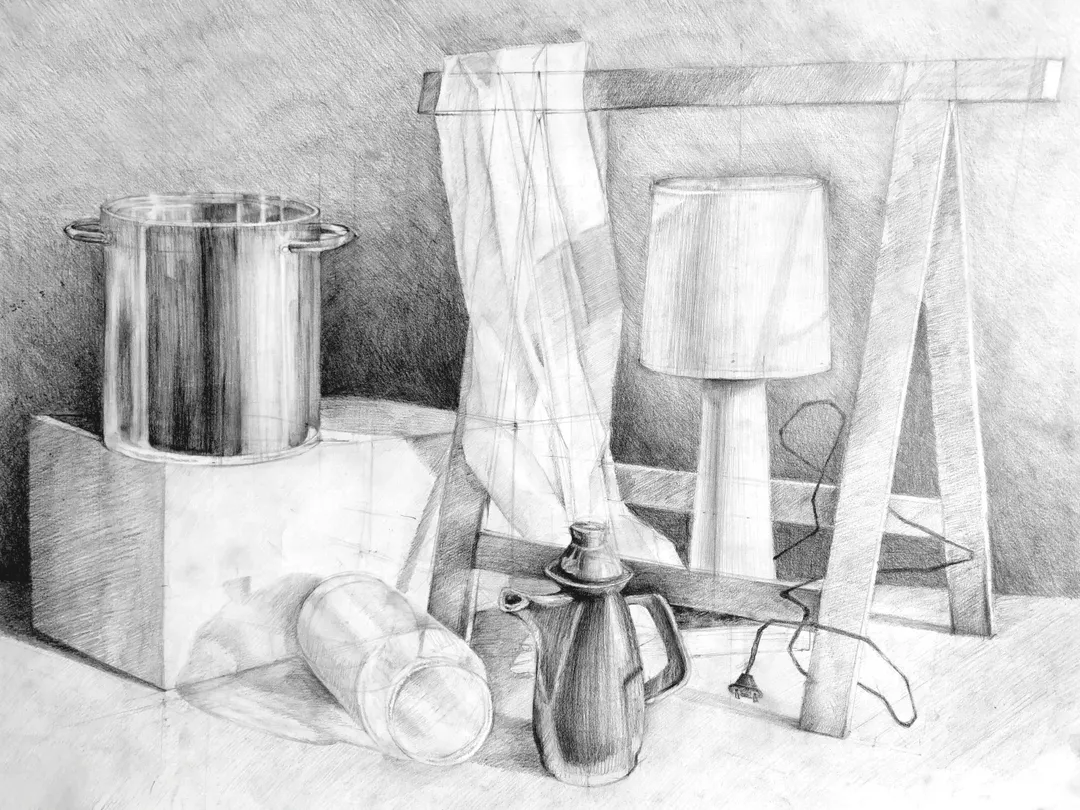
Credit@lekcje_rysunku
Draw simple objects you see every day like cups, keys, glasses, or books.
This idea helps improve observation, proportion, and shading skills.
It trains your eye to notice small details often ignored.
How to Sketch (Steps):
-
Start by arranging 3–5 objects on a table under a single light source so shadows are clearly visible, then lightly sketch basic shapes using simple circles, rectangles, and cylinders to establish proportions.
-
Gradually refine outlines by comparing object sizes and distances, constantly checking angles and alignment, while keeping your pencil pressure light to allow easy corrections.
-
Add shading by identifying light, mid-tones, and dark areas, using smooth pencil strokes, cross-hatching, or blending to create depth, and finish by darkening edges and shadows for realism.
Facial Expressions Practice
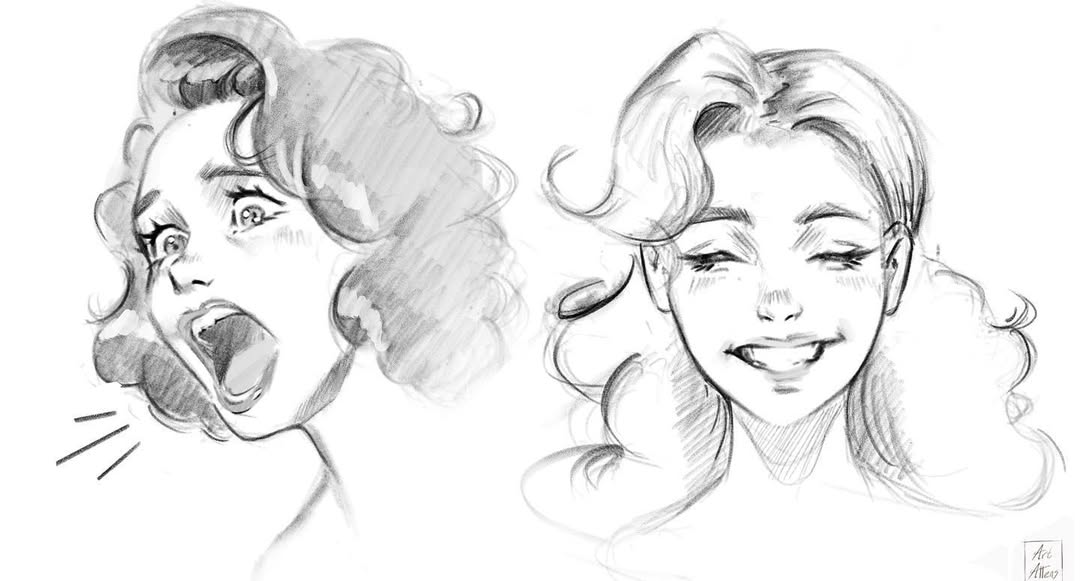
Credit@artallens
Description:
Focus on drawing different emotions like happiness, anger, sadness, and surprise.
This helps improve facial anatomy and emotional storytelling.
It builds confidence in portrait sketching.
How to Sketch (Steps):
-
Begin by drawing a simple oval head shape and add a vertical and horizontal guideline to correctly place the eyes, nose, and mouth before choosing one clear emotion to focus on.
-
Observe how eyebrows, eyes, and mouth change with emotions, exaggerating these features slightly while sketching loosely to capture expression rather than perfection.
-
Slowly refine facial details, erase unnecessary lines, and add light shading around eyes and mouth to enhance emotion, ensuring the expression feels natural and balanced.
Nature Close-Ups (Leaves, Flowers)
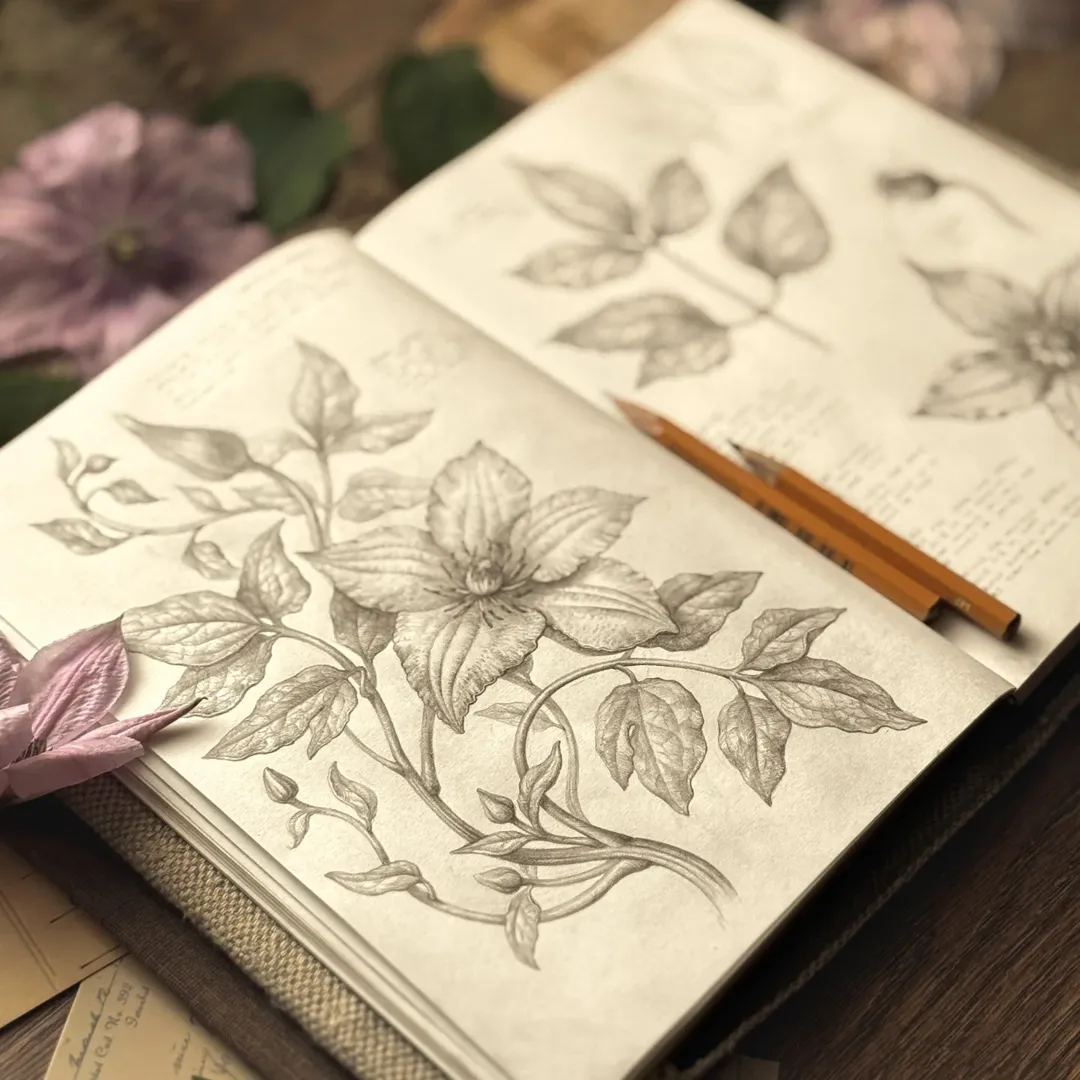
Credit@vladabotanica
Description:
Sketch detailed close-ups of leaves, petals, or plants.
This idea improves line control and texture rendering.
It connects art with nature observation.
How to Sketch (Steps):
-
Choose one leaf or flower and observe it carefully, noting vein patterns, edges, and curves, then lightly draw the overall outline before adding internal details.
-
Break the subject into sections, sketching veins or petal folds gradually while maintaining symmetry and flow instead of rushing details.
-
Add texture using fine lines and gentle shading to show depth, thickness, and natural imperfections, finishing with darker lines where shadows naturally fall.
City Street Scenes
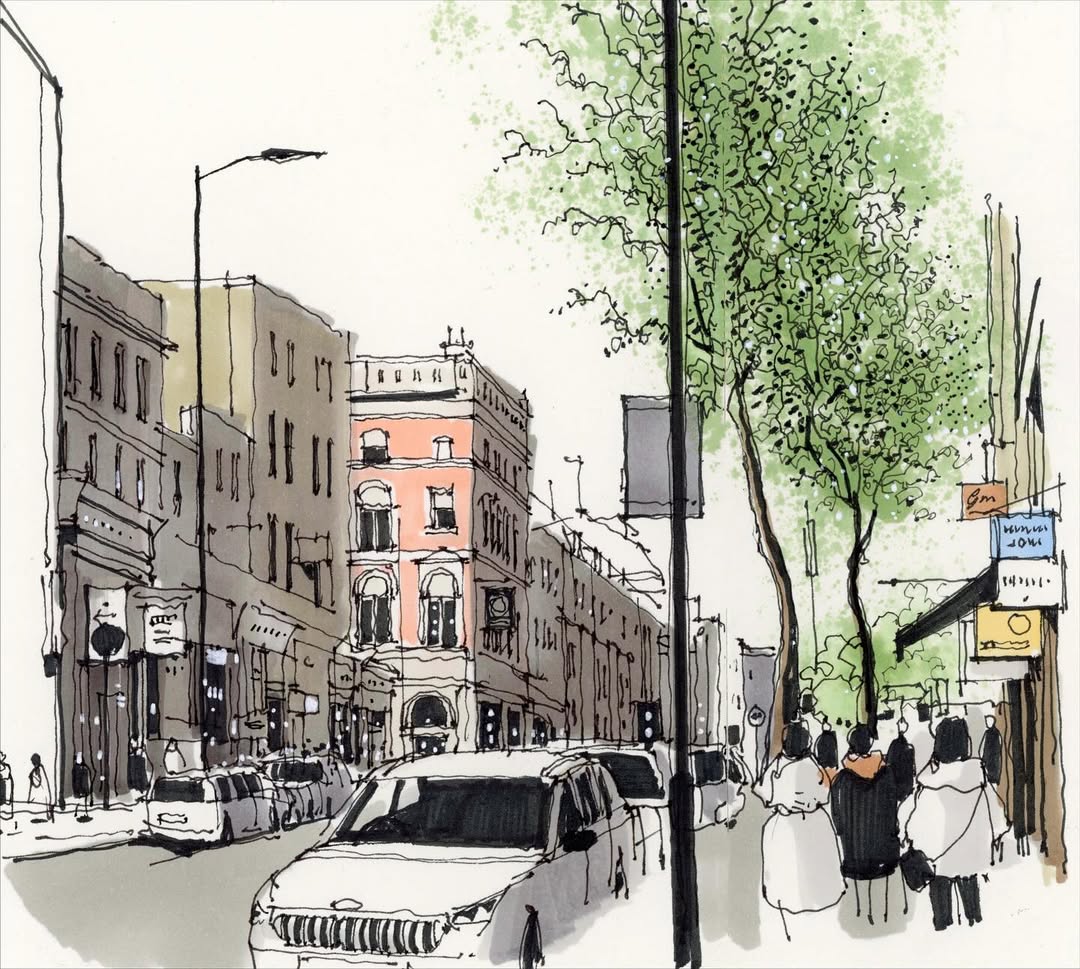
Credit@shoreditchsketcher
Description:
Draw busy streets, buildings, and vehicles from your surroundings.
This enhances perspective and composition skills.
It captures real-life movement and atmosphere.
How to Sketch (Steps):
-
Start by drawing a horizon line and simple perspective guidelines to place buildings and roads accurately, keeping everything loose and light at first.
-
Add major shapes like buildings, cars, and sidewalks, ensuring objects farther away appear smaller to create depth.
-
Gradually refine details such as windows, signs, and street textures, then shade areas to emphasize light direction, shadows, and urban mood.
Imagination Creatures
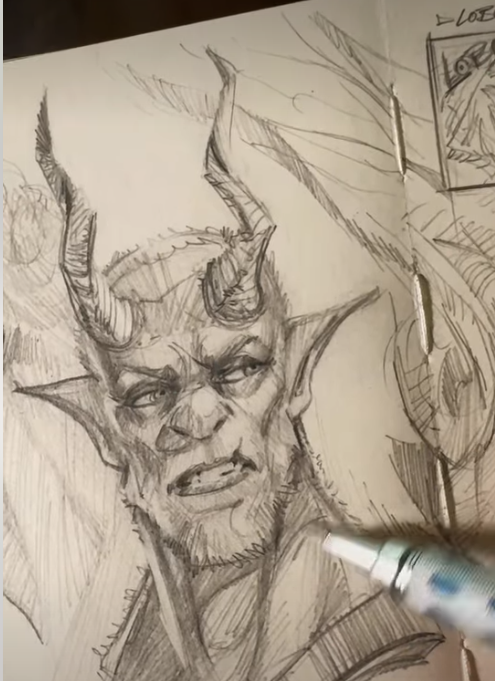
Credit@imbillyking
Description:
Create fantasy creatures using your imagination.
This encourages creativity and visual storytelling.
There are no rules—only exploration.
How to Sketch (Steps):
-
Begin by combining basic animal shapes, such as wings, tails, or horns, sketching loosely to explore different forms without worrying about accuracy.
-
Choose one design and refine the body structure, ensuring limbs connect naturally and proportions feel believable.
-
Add textures like scales, fur, or feathers, then apply shading to give volume and depth, finishing with small details like eyes and claws to bring the creature to life.
Self-Portrait Studies
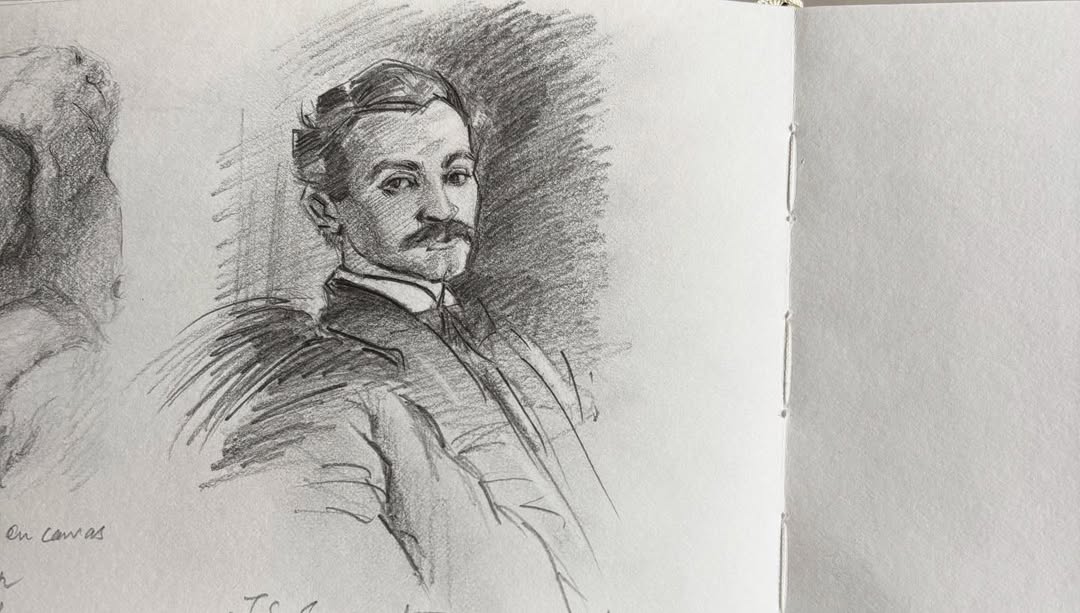
Credit@lines.nstrokes
Description:
Draw yourself using a mirror or photo reference.
This builds self-awareness and portrait accuracy.
It improves observation and patience.
How to Sketch (Steps):
-
Start by lightly mapping the head shape and facial guidelines, carefully observing proportions and symmetry using a mirror or reference photo.
-
Sketch major facial features step by step, focusing on placement rather than detail, and adjust proportions as needed.
-
Add subtle shading to define cheekbones, nose, and jawline, blending softly to achieve realistic depth while keeping features natural and expressive.
Hands and Feet Practice
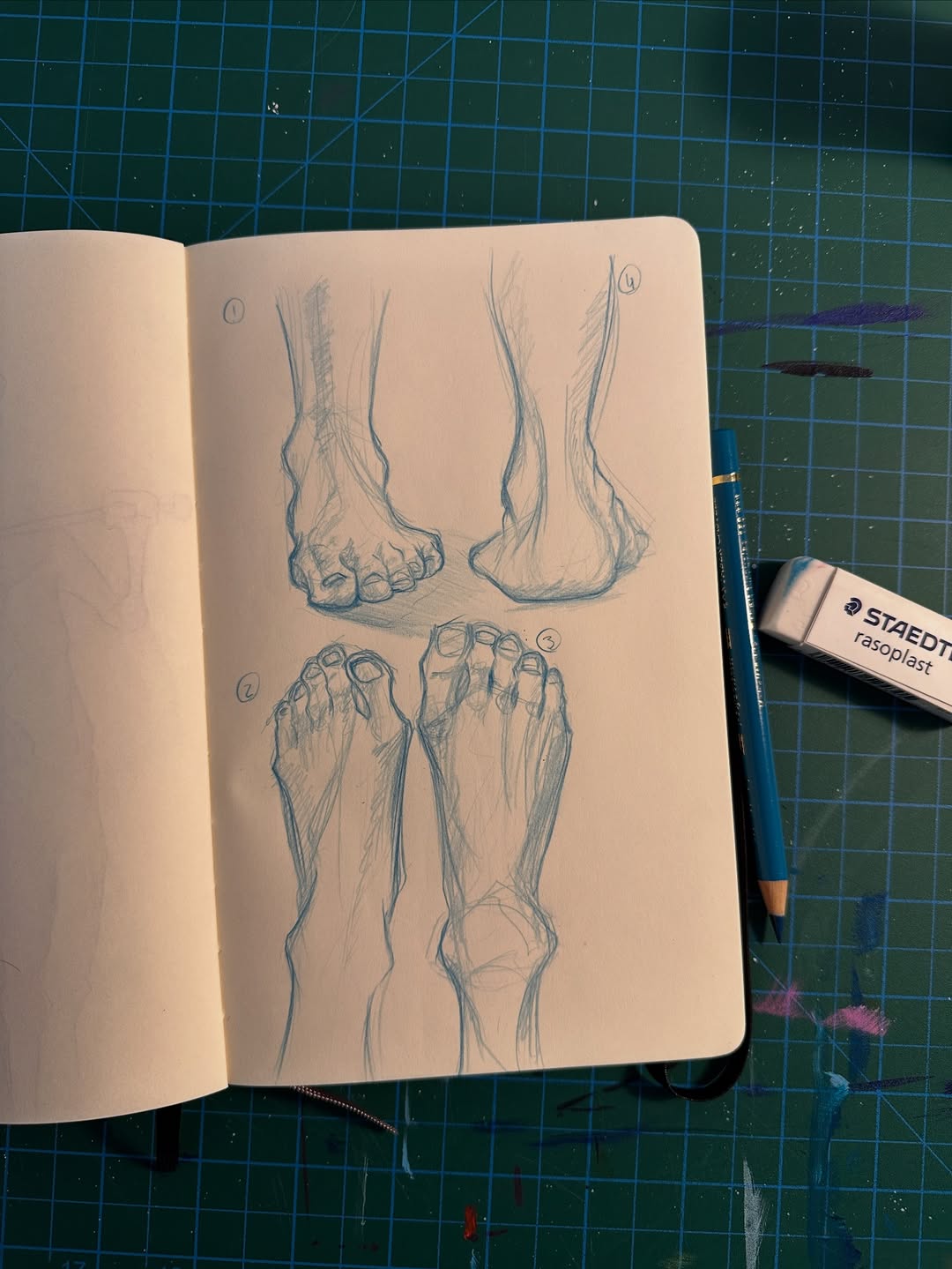
Credit@ayyoub.jb
Description:
Hands and feet are challenging but essential to master.
This idea improves anatomy understanding.
It boosts confidence in figure drawing.
How to Sketch (Steps):
-
Begin by breaking hands or feet into simple shapes like rectangles and cylinders, focusing on overall structure before adding details.
-
Observe finger or toe lengths and angles carefully, sketching lightly and correcting proportions as you go.
-
Add knuckles, nails, and subtle shading to show form and movement, using darker tones in creases and shadows to create realistic depth.
Mood-Based Abstract Art
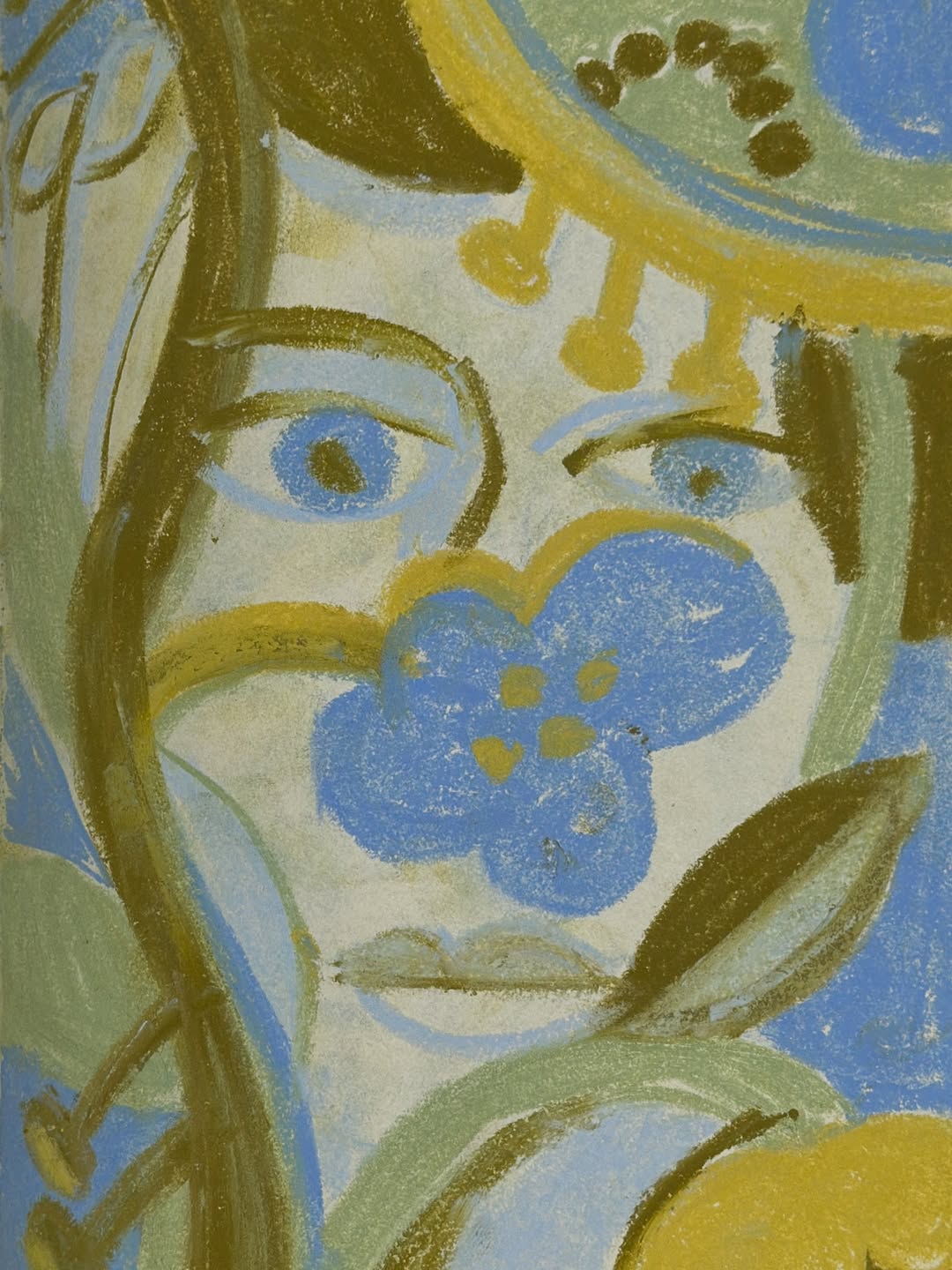
Credit@anni_tett
Description:
Express emotions using lines, shapes, and patterns.
This idea focuses on feeling rather than realism.
It allows free artistic exploration.
How to Sketch (Steps):
-
Choose an emotion and think about how it feels, then translate it into lines, shapes, or patterns without planning too much.
-
Use varied line weights, repeated shapes, or flowing strokes to represent energy, calmness, or tension.
-
Enhance the drawing by layering shading or patterns, allowing the composition to evolve naturally while focusing on emotional expression.
Daily Life Moments
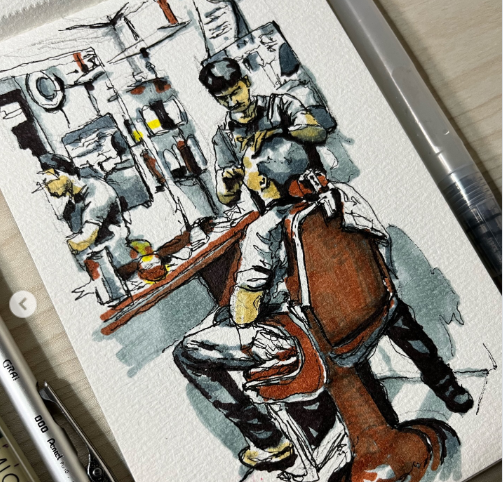
Credit@rezamkti
Sketch moments from daily routines like cooking or reading.
This captures storytelling in simple scenes.
It strengthens observational drawing.
How to Sketch (Steps):
-
Observe a moment carefully and quickly sketch the main action using loose lines to capture movement and posture.
-
Add surrounding objects lightly to set the scene without overcrowding the page.
-
Refine the sketch by adding details and shading that guide the viewer’s eye, focusing on the main subject while keeping the background softer.
Pattern and Texture Exploration
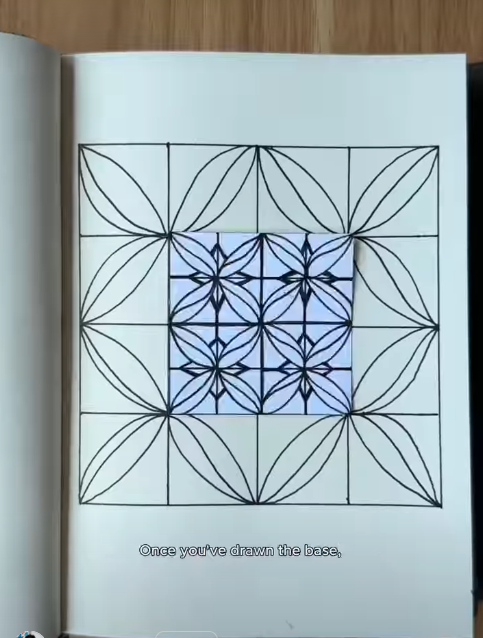
Credit@sisleymark
Practice drawing repeating patterns and textures.
This improves line consistency and control.
It enhances attention to detail.
How to Sketch (Steps):
-
Choose one texture or pattern such as bricks, fabric, or wood grain, and lightly mark a base structure or grid.
-
Repeat lines and shapes carefully, maintaining rhythm and spacing while adjusting pressure for variation.
-
Add shading to create depth and realism, emphasizing shadows between patterns to make the texture feel more three-dimensional.