
Treasure Hunting Game Ideas – A treasure-hunting game can be an exciting and imaginative adventure, tailored to fit various settings like parks, backyards, homes, or even virtual spaces. Begin by creating a storyline that sets the scene—a pirate quest, ancient ruins, or a detective mystery can spark players’ curiosity. Design a series of clues or puzzles that players must solve to progress to the next “treasure” location, making sure each clue is age-appropriate and thematically connected.

For added excitement, consider using props like treasure maps, hidden messages, or UV pens for invisible ink clues. Incorporate teamwork by creating challenges that require collaboration, or introduce friendly competition by splitting players into teams. The game can culminate in a “treasure chest” filled with themed prizes or tokens of achievement, rewarding players for their curiosity, problem-solving, and teamwork. Variations of this game can be adapted to any theme or location, making it suitable for birthday parties, family gatherings, or even educational events.
Treasure Hunting Game Ideas
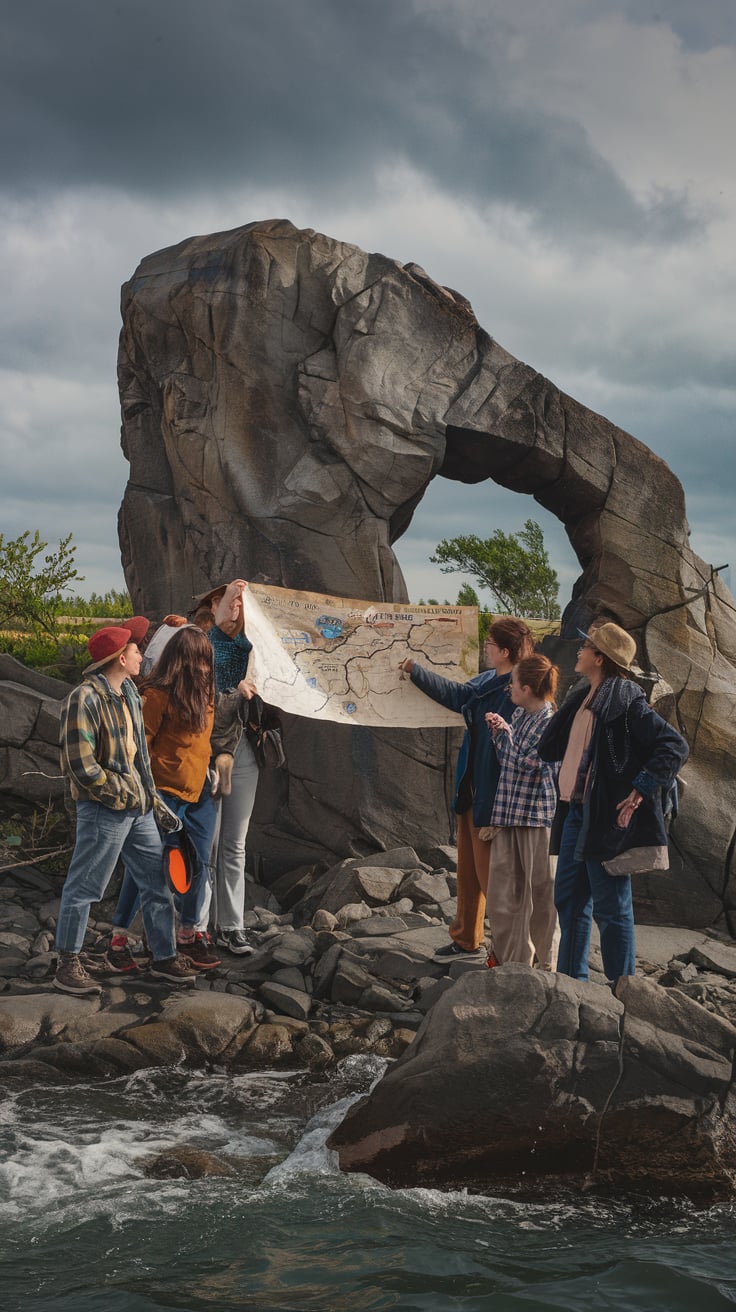
Here are detailed treasure hunt game ideas for the office, including names, requirements, and step-by-step instructions for each:
1. The Great Office Quest
Requirements:
- Clue cards or slips of paper
- Small prizes (e.g., gift cards, office supplies)
- Map or floor plan of the office
- Envelopes to hold clues
How to Play:
- Prepare the Clues: Write out a series of clues leading participants to different locations in the office (e.g., “Find your next clue where you get your caffeine fix” for the coffee machine).
- Map It Out: Use a map or floor plan to highlight potential clue spots around the office, helping participants navigate the game.
- Distribute Clues: Place each clue in an envelope at various spots around the office. Make sure each clue leads logically to the next location.
- Start the Game: Hand the first clue to each team or participant.
- Solve and Find: Each player or team must solve the clue to find the next location. They continue this until they reach the final prize.
- Declare a Winner: The first team to solve all clues and reach the final treasure wins.
2. Break Room Treasure Trail
Requirements:
- List of items commonly found in the break room
- Small prizes or treats hidden at the end
- Notepad for participants to write down each item they find
How to Play:
- Create the Item List: List 10-15 items commonly found in the break room (like coffee stirrers, salt packets, napkins).
- Hide a Treat: Place a small prize in an unexpected spot, such as behind the coffee machine or under a table.
- Start the Hunt: Give each participant the item list and tell them to search the break room for each item.
- Reveal the Prize: The person who finds all items and the hidden prize the fastest wins.
3. The Desk Detective Adventure
Requirements:
- Envelopes with clues
- Small objects or “artifacts” to hide around desks
- An office layout map (optional)
How to Play:
- Set Up the Artifacts: Hide small objects on specific desks (e.g., a rubber duck, a small toy, or a unique pen).
- Write Clues: Create a clue for each object, giving hints about its location. For example, “Find the duck where spreadsheets come to life” for the accountant’s desk.
- Distribute First Clue: Hand the first clue to each participant or team.
- Follow Clues: Each team follows the clues, moving from desk to desk, and finds the hidden items.
- Finish the Hunt: The first team to find all items and complete the trail wins.
4. Mission: Office Impossible
Requirements:
- Clue envelopes
- Locks and keys or password-protected boxes (for added challenge)
- Small reward for the end
How to Play:
- Plan the “Mission”: Write a storyline or mission. For example, participants must “retrieve” a confidential document to “save the company.”
- Place Clues with Locks: Set up a series of locked boxes or drawers that require a code or key to open. Each clue reveals a number or part of the code for the next lock.
- Distribute the First Mission Clue: Hand the first clue to participants.
- Solve and Unlock: Teams must solve each clue, find the correct lock, and use the revealed number/code to unlock the next box.
- Complete the Mission: The team that unlocks all the boxes and finds the final “mission” item wins.
5. The Paper Trail Pursuit
Requirements:
- Printed “evidence” (fake memos, notes, “lost” papers)
- Small prizes
- Envelopes for clues
How to Play:
- Create the Paper Trail: Write clues that mimic office documents, such as a “lost memo” or “urgent note,” that lead to the next location.
- Hide the Clues: Place each piece of “evidence” around the office in places where real office work might occur (e.g., the printer, mailroom).
- Start with an Email Clue: Send a “mysterious email” that starts the game, guiding them to the first clue.
- Follow the Trail: Teams follow the clues, locating each piece of “evidence” as they progress.
- Final Prize: The first team to complete the paper trail and find the “missing document” wins.
6. HR’s Hidden Treasures
Requirements:
- Clues relating to common HR or company policies
- Small rewards at the end
- Envelopes or digital clues (optional)
How to Play:
- Create HR-Themed Clues: Develop clues based on HR-related topics, such as “Find the next clue where the employee handbook is kept.”
- Hide Clues in HR-Relevant Spots: Place clues in areas where HR items are found, such as near the HR bulletin board, employee handbook, or the “sick day” form drawer.
- Begin with a Policy Quiz: Start with a short quiz that gives hints for the first location. For example, “When can employees take a sick day?” with the clue near the related forms.
- Move Through Clues: Teams must answer questions and find clues that direct them to each new spot.
- Reach the End: The first team to correctly answer all questions and find the final reward wins.
7. Supply Closet Secrets
Requirements:
- List of office supplies for participants to find
- A small prize hidden in the supply closet
- Clue sheets or a checklist
How to Play:
- Create a Supply List: Write down items for participants to find within the supply closet (e.g., staplers, highlighters, sticky notes).
- Hide a Prize: Place a prize in a hidden spot within the closet (like behind a stack of papers or inside a box).
- Hand Out Lists: Give each participant or team a list of items to locate.
- Start the Hunt: They must search the supply closet, marking items off their list as they find them.
- Find the Prize: The first team to check off all items and find the hidden prize wins.
8. The Bulletin Board Puzzle
Requirements:
- Clues or puzzle pieces pinned to various bulletin boards around the office
- Small prizes
- Sticky notes or pins to hold clues
How to Play:
- Create Puzzle Clues: Write clues or riddles that lead participants to specific bulletin boards.
- Hide Puzzle Pieces: Pin the pieces of a puzzle on various boards around the office.
- Give Starting Clue: Hand out the first clue to each team, leading them to a bulletin board with the first puzzle piece.
- Solve and Assemble: Each board has a piece of the puzzle. Once all pieces are found, participants assemble them to reveal a message or picture.
- Declare a Winner: The first team to collect and assemble all pieces wins.
These treasure hunts add fun and variety to the office, perfect for team-building or a special event. Each game can be customized to fit your specific office layout and employee interests.
Treasure Hunt Ideas for Christmas
Description:
A Christmas treasure hunt is a fun, interactive game where players follow festive clues to find hidden surprises.
It adds excitement to holiday celebrations and encourages teamwork, problem-solving, and creativity.
Perfect for kids, families, classrooms, or office parties, it makes Christmas more memorable and joyful.
How to Play:
-
Plan the theme: Decide a Christmas theme such as Santa’s Lost Gifts, Elf Training Mission, or Reindeer Rescue to make the hunt more engaging.
-
Create clues: Write clear, fun clues using riddles, rhymes, or puzzles related to Christmas objects, songs, or traditions.
-
Hide the clues: Place each clue in safe, accessible locations like under the tree, near stockings, or by decorations.
-
Set rules: Explain how many players or teams there are, the order of clues, and any time limits.
-
Final treasure: End the hunt with a reward like gifts, chocolates, or a Christmas treat.
Examples of Christmas Treasure Hunt Ideas:
-
Santa’s Missing Sack: Players follow clues to help Santa find his lost gift sack before Christmas morning.
-
Elf on a Mission: Elves (players) complete tasks and riddles to earn their Christmas reward.
-
Reindeer Trail Hunt: Each clue leads to a reindeer name and location, ending at the final prize.
-
Nativity Story Hunt: Clues follow parts of the Christmas story, making it educational and fun.
Each name can be customized with unique clues, themes, and props to create a magical and memorable Christmas adventure.

Treasure Hunt Game Ideas for Adults
Description:
A treasure hunt for adults is an exciting, strategy-based game that combines problem-solving, teamwork, and adventure.
Players follow clues, solve puzzles, and complete challenges to reach a final hidden prize.
It is perfect for parties, team-building events, or casual gatherings, adding fun and mental stimulation.
How to Play:
-
Plan the Theme and Area: Choose an engaging theme such as mystery, travel, or crime investigation, and decide whether the hunt will be indoors, outdoors, or a mix of both.
-
Create Clever Clues: Design clues that involve riddles, codes, maps, or trivia suitable for adults, ensuring each clue logically leads to the next location.
-
Set Teams and Rules: Divide players into small teams, explain boundaries, time limits, and rules to keep the game fair and organized.
-
Hide the Treasure: Place the final prize in a challenging but safe location and start the hunt.
-
Declare the Winner: The first team to solve all clues and find the treasure wins.
Examples of Treasure Hunt Game Ideas
-
Mystery Detective Hunt: Players solve crime-related clues to uncover the “culprit” and find hidden evidence.
-
Bar or House Party Hunt: Clues are hidden near drinks, snacks, or party decorations for a fun social twist.
-
Travel-Themed Hunt: Each clue represents a different country or city, leading to a final “world treasure.”
-
Office Team-Building Hunt: Work-related puzzles encourage collaboration and communication among colleagues.
These Treasure Hunting Game Ideas can be adapted to suit different group sizes, themes, or interests, making them versatile for any adult gathering, from birthdays and holidays to corporate events and team-building.
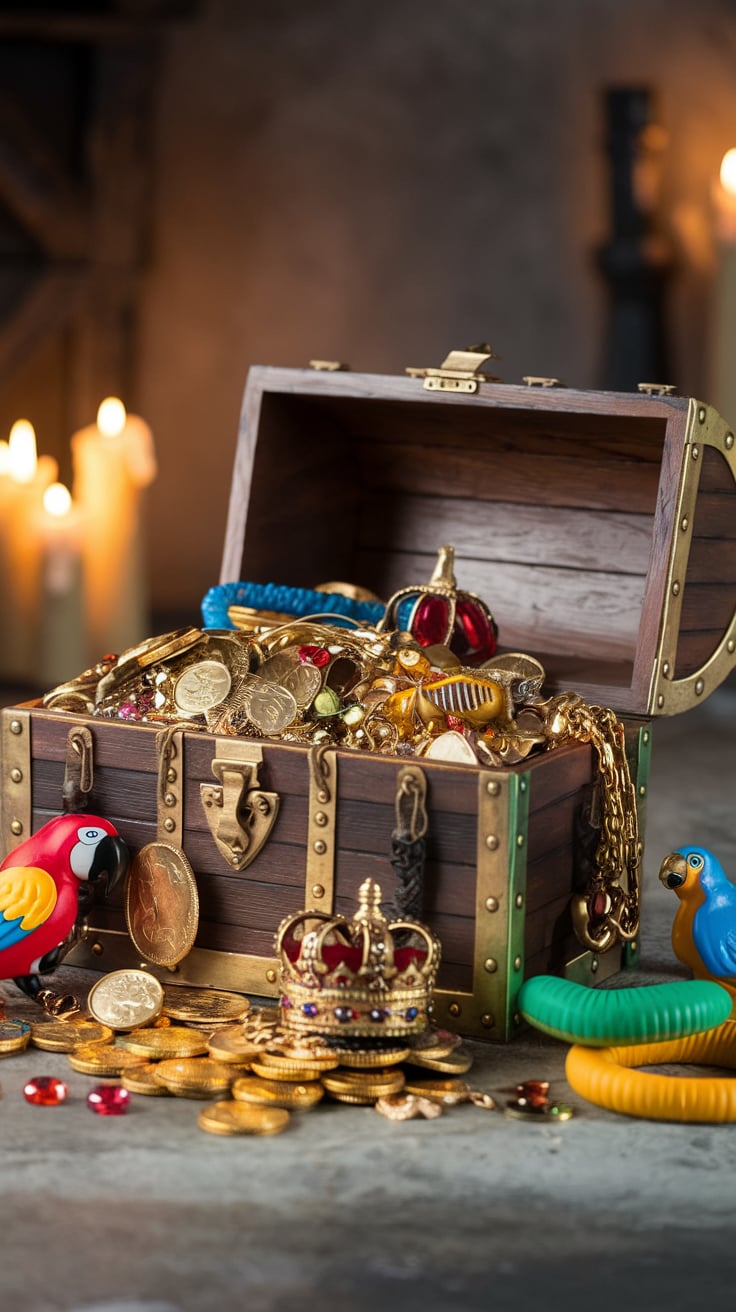
Treasure Hunt Game Ideas at Home
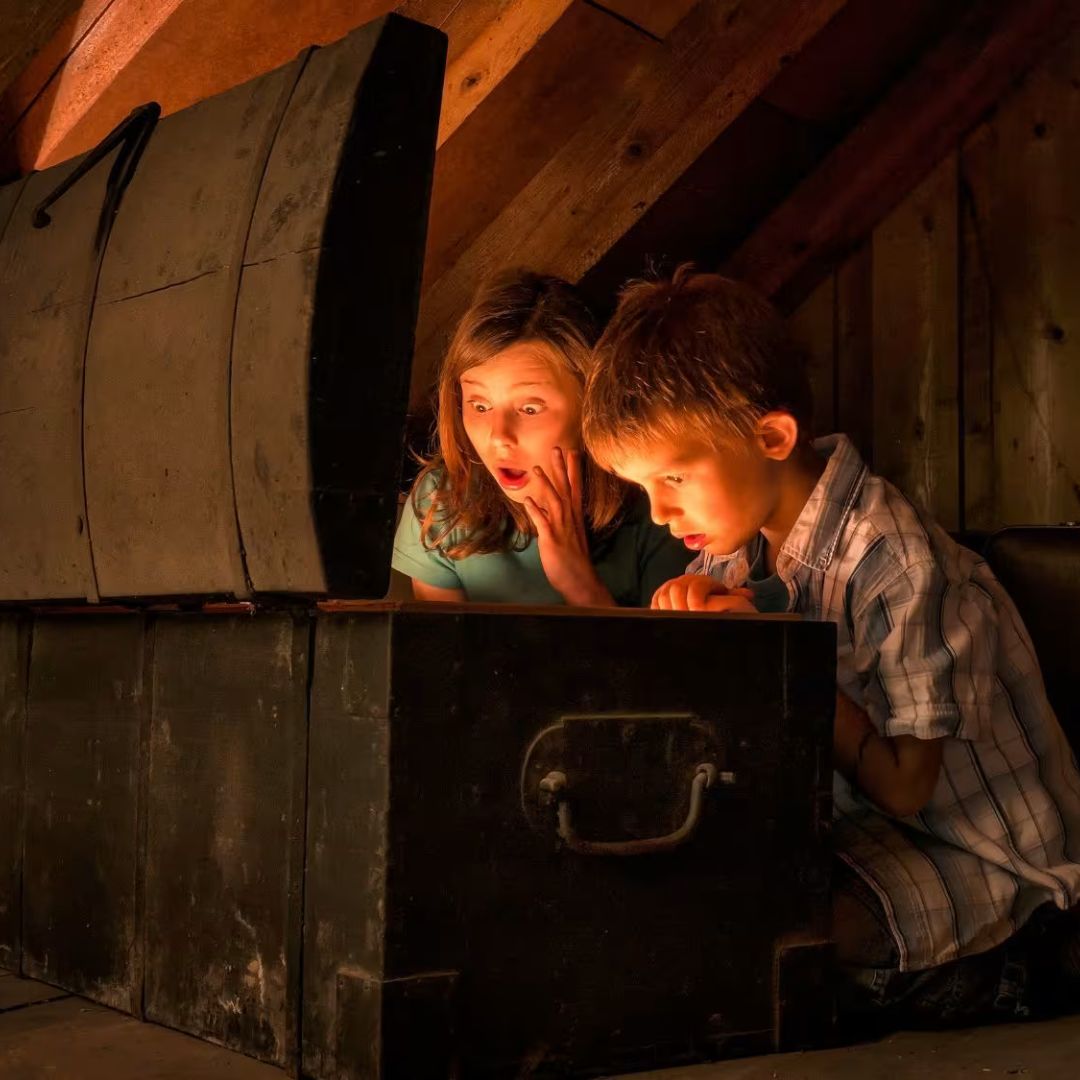
Credit:WeHaveKids
Description:
A treasure hunt at home is a fun and interactive game where players follow clues to find hidden objects or rewards.
It encourages problem-solving, teamwork, and excitement for all age groups.
This game can be easily customized using household items and creative clues.
How to Play:
-
Prepare the Treasure: Decide on the final prize, such as chocolates, toys, or a surprise note, and hide it in a safe but challenging location.
-
Create Clues: Write a series of clues or riddles that lead from one place to another, using rooms, furniture, or common household objects as landmarks.
-
Set the Route: Place each clue in sequence so that solving one naturally leads to the next, gradually increasing difficulty.
-
Explain the Rules: Tell players they must solve clues in order, without skipping or forcing answers.
-
Start the Game: Hand over the first clue, track progress, offer hints if needed, and celebrate when the treasure is found.
Examples of Treasure Hunt Ideas at Home
-
Alphabet Hunt: Each clue leads to an item starting with the next alphabet letter.
-
Photo Clue Hunt: Use photos of rooms or objects as hints instead of written clues.
-
Theme-Based Hunt: Pirate, detective, or fairy-tale themed clues for kids.
-
Puzzle Hunt: Each location reveals a small puzzle piece that forms the final answer.
Treasure Hunt Game Ideas for Office

Credit: signupgenius.com
Description:
A Treasure Hunt is a fun and interactive office game that boosts teamwork, problem-solving, and communication skills.
Employees follow clues, solve puzzles, and complete challenges to find the final treasure.
It’s perfect for team bonding, breaking routine, and adding excitement to the workplace.
How to Play:
-
Start by forming small teams of 3–6 employees to encourage collaboration and fair participation.
-
Decide a theme (office trivia, company values, detective mystery) and hide clues across different office locations such as meeting rooms, pantry, reception, or desks.
-
Each clue should include riddles, puzzles, or tasks like answering a work-related question or completing a fun challenge.
-
Teams must solve one clue to unlock the next, ensuring a clear sequence.
-
The first team to find the final treasure (gift box, vouchers, or certificates) wins, while others receive participation rewards.
Examples of Office Treasure Hunt Ideas:
-
Office Trivia Hunt: Clues based on company history, policies, or fun facts about teams.
-
Desk-to-Desk Hunt: Clues hidden at different employees’ desks with small tasks to complete.
-
Photo Challenge Hunt: Teams take creative photos at each clue location to proceed.
-
Puzzle & Riddle Hunt: Logical puzzles and brain teasers placed around the office.